




Social media moves fast. Keeping up with posting schedules, creating fresh content, and tracking what works can feel overwhelming. That’s where artificial intelligence steps in to help.
AI in social media isn’t about replacing human creativity. It’s about working smarter, automating repetitive tasks, and getting better insights into what your audience actually wants. From writing captions to analyzing engagement patterns, AI tools are changing how marketers approach their daily work.
Whether you run a small business or manage social accounts for a large brand, AI can save you hours each week while helping you create content that connects with people. In this guide, we’ll explore seven practical ways to use AI in social media marketing. You’ll learn how to create content faster, schedule posts more effectively, understand your audience better, and turn your social presence into real business results.
Why AI Is Transforming Social Media Marketing
The way businesses approach social media is changing rapidly. Manual processes that once took hours can now happen in minutes with the right AI tools.
One of the biggest shifts is in content creation itself. Research suggests that 48% of social media content created by businesses will be AI-generated by 2026. This isn’t because AI writes better than humans—it’s because AI helps teams produce more content without burning out.
AI in social media works in several key ways. It can analyze massive amounts of data to spot trends before they peak. It can suggest posting times based on when your specific audience is most active. It can help generate ideas when you’re stuck staring at a blank screen.
The technology also learns over time. The more you use AI tools, the better they understand your brand voice, your audience preferences, and what types of content perform well for your specific goals.
For marketers feeling stretched thin, this matters a lot. Instead of spending hours on routine tasks like scheduling posts or creating basic captions, you can focus on strategy, creativity, and building real connections with your community.
AI isn’t taking over social media marketing. It’s becoming a helpful assistant that handles the tedious work so you can focus on what humans do best—creating authentic connections and thinking creatively about your brand’s story.
Create Content Faster with AI Assistance

Coming up with fresh content ideas every day is exhausting. AI tools can help you brainstorm, draft, and refine social media posts in a fraction of the time it would take to do everything manually.
The process works differently depending on the tool you use. Some AI assistants can generate complete post drafts based on a simple prompt. Others help you expand a rough idea into multiple variations for different platforms. The key is using these tools as a starting point, not a finished product.
When you explore AI for social media content creation, you’ll find options for every budget and skill level. Many tools can adapt to your brand’s tone of voice once you give them enough examples to learn from.
One particularly useful application is turning technical products into social content. If you sell software, electronics, or anything complex, explaining features in simple, engaging ways can be challenging. AI can help translate technical specifications into benefit-focused language that resonates with everyday users.
Here’s how to get the best results from AI content tools:
- Provide clear context about your brand, audience, and goals
- Start with specific prompts rather than vague requests
- Always edit AI drafts to add your personal touch
- Use AI suggestions as inspiration, not final copy
- Test different approaches to see what your audience prefers
The goal isn’t to remove the human element from your content. It’s to speed up the parts of content creation that don’t require human judgment, so you have more time for the creative work that does. AI in social media content creation helps you maintain consistency without sacrificing quality or burning out your team.
Schedule and Publish with AI-Powered Tools

Posting at random times and hoping for the best doesn’t work. Your audience is online at specific times, and AI can help you figure out exactly when those windows are.
Traditional scheduling meant picking times based on general best practices or gut feeling. AI-powered scheduling looks at your actual audience data and identifies patterns in when your followers engage most. This personalized approach often leads to better reach and more interactions.
Most modern scheduling tools now include AI features. They analyze your past post performance and suggest optimal times for future content. Some can even auto-schedule posts to go live at the best moment, saving you from manual calendar management.
Managing multiple platforms adds another layer of complexity. What works on LinkedIn might not work on Instagram. AI scheduling tools can recommend different posting times for each platform based on how your specific audience behaves on each one.
For practical tips on scheduling strategies, resources like Hootsuite offer helpful guides for marketers at every level. You can also find valuable scheduling insights and best practices at Later, which covers visual-first platforms in depth.
Beyond timing, AI can help you plan content themes and ensure you’re maintaining a good mix of post types. Some tools flag when you’ve been posting too much promotional content or not enough educational material.
The key benefits of AI-powered scheduling include:
- Less time spent on manual calendar management
- Better post timing based on real audience data
- Consistent posting even during busy periods
- Cross-platform coordination without the headache
Smart scheduling is one of the easiest places to start with AI in social media because the benefits are immediate and measurable.
Analyze Engagement Using AI Insights
Numbers without context don’t help anyone. AI analytics tools go beyond basic metrics to show you why certain posts work and others don’t.
Traditional analytics tell you how many likes, comments, and shares a post received. AI-powered analytics dig deeper. They identify patterns across your content library, spot emerging trends in your audience behavior, and suggest specific actions to improve performance.
For example, AI might notice that posts with questions in the caption get twice as many comments as statements. Or that videos under thirty seconds outperform longer ones for your particular audience. These insights help you make smarter decisions about future content.
When you want to boost social media engagement, data-driven insights are essential. Guessing what your audience wants wastes time and resources. AI helps you understand their preferences based on actual behavior, not assumptions.
For in-depth analytics insights and industry benchmarks, Sprout Social publishes research and guides that help marketers understand what good performance looks like in different industries.
AI analytics can also help with competitive analysis. Some tools track how your engagement compares to similar accounts in your space, giving you context for whether your numbers are strong or need improvement.
Key metrics AI can help you understand better:
- Engagement rate trends over time
- Best-performing content themes and formats
- Audience growth patterns and what drives them
- Optimal content length and style for your followers
- Hashtag performance and discovery potential
The goal of AI analytics isn’t just more data—it’s clearer direction on what to do next. With better insights, you can stop guessing and start making informed decisions about your social media strategy.
Deliver Personalized Content at Scale
People expect content that feels relevant to them. Generic posts that try to appeal to everyone often connect with no one. AI makes it possible to personalize your approach without creating completely separate content for every segment.
Personalization in social media can mean many things. It might involve adjusting your messaging for different audience segments, creating platform-specific versions of the same content, or tailoring your approach based on where someone is in their relationship with your brand.
An AI platform can help you identify distinct audience segments based on their interests and behaviors. Once you understand these groups, you can create content variations that speak more directly to each one’s specific needs and interests.
This doesn’t mean producing ten times more content. It means making small adjustments that increase relevance. A post about your product might emphasize different benefits depending on whether it’s reaching new followers or existing customers.
AI can also help personalize the timing and format of your content. Some followers prefer morning posts while others engage more in the evening. Some respond better to video while others prefer static images with strong copy.
Practical personalization tactics include:
- Creating content variations for different audience interests
- Adjusting tone for different platforms and contexts
- Testing different formats with different audience segments
- Using AI to match content with optimal posting times per segment
The result is content that feels more relevant to each person who sees it, without requiring exponentially more work from your team. AI in social media personalization helps you treat your audience as individuals rather than a single mass.
Boost Visibility with AI-Driven SEO
Social media platforms have become search engines in their own right. People search for products, advice, and entertainment directly on Instagram, TikTok, and other platforms. AI can help your content get discovered.
Traditional social media success relied heavily on followers seeing your posts in their feeds. Now, discoverability through search and recommendation algorithms matters just as much. AI in social media helps you optimize for both.
Understanding AI-powered social media SEO starts with recognizing that platforms use AI to decide what content to show users. Learning how these systems work helps you create content that’s more likely to be recommended to new audiences.
Keywords matter on social media now, not just on Google. AI tools can help you identify which terms your target audience searches for and how to naturally incorporate them into your posts and profiles. This improves your chances of appearing when someone searches for topics related to your business.
When it comes to optimizing social media for AI discovery, consistency and quality signal to algorithms that your content is worth recommending. AI tools can help you maintain that consistency by analyzing what the recommendation systems seem to favor.
Hashtags still play a role, but their function has evolved. Rather than stuffing posts with dozens of tags, AI can help you select a focused set that actually improves discoverability for your specific audience.
Ways AI helps with social media discoverability:
- Identifying trending keywords and topics in your niche
- Suggesting hashtags based on performance data
- Analyzing competitor content that ranks well in search
- Optimizing profile text for searchability
- Recommending content formats that algorithms favor
Better discoverability means reaching people who don’t already follow you. This expands your potential audience and brings fresh eyes to your brand without relying solely on paid advertising.
Build Strong Brand Identity with AI
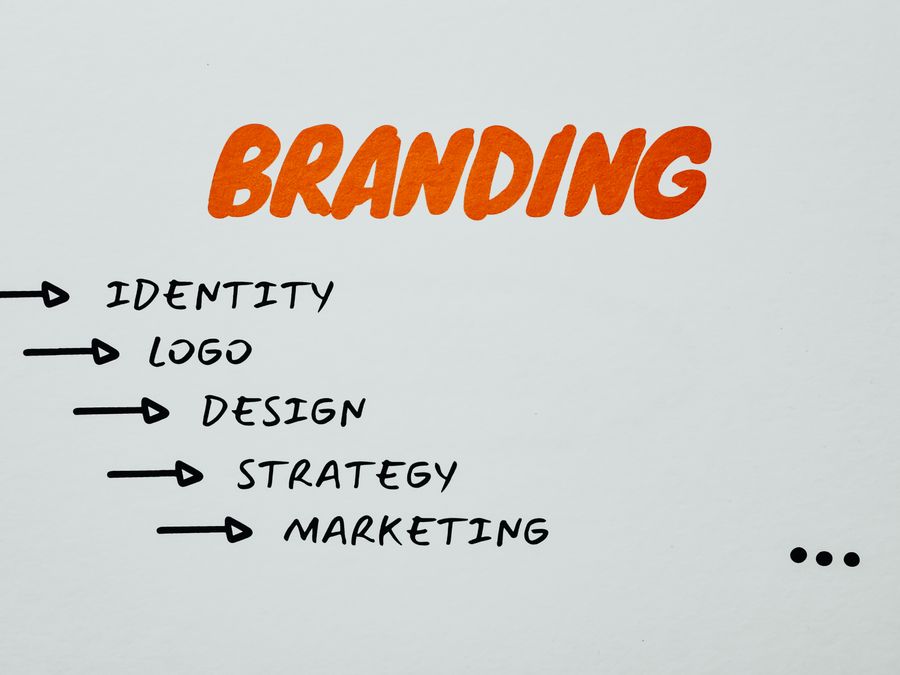
Consistency builds recognition. When your posts look and sound like they come from the same brand, people start to remember you. AI can help maintain that consistency even when multiple people create content for your accounts.
Brand identity on social media includes visual elements like colors, fonts, and image styles. It also includes your voice—how you write, what topics you cover, and the personality that comes through in your posts.
Understanding the importance of building brand identity through social media is the first step. AI tools can then help you execute that vision consistently across every post and platform.
Some AI tools can learn your brand guidelines and flag content that doesn’t match. Others can suggest edits to make posts sound more consistent with your established voice. This is especially helpful when you have a team creating content, as it reduces the variation that naturally happens when different people write.
Visual consistency matters too. AI can help create content that matches your brand aesthetic or suggest adjustments to images and videos that feel off-brand. Using animation and motion design for engagement can also strengthen your visual identity while capturing attention in crowded feeds.
Motion graphics and animated elements help your brand stand out while maintaining a consistent look across all your content. AI tools can help generate these visual elements faster and ensure they align with your established style.
Ways AI supports brand consistency:
- Checking content against brand voice guidelines
- Suggesting edits to maintain consistent tone
- Creating visual templates that match your style
- Flagging content that doesn’t align with brand standards
- Helping new team members understand and apply brand rules
Strong brand identity makes your content recognizable even before people read your account name. AI helps you achieve that recognition by keeping every piece of content aligned with who you are as a brand.
Turn Social Media into Revenue
Likes and follows feel good, but they don’t pay bills. The ultimate goal of most social media efforts is driving business results. AI can help connect your social presence to actual revenue.
The path from social engagement to purchase isn’t always direct. Someone might follow you for months before buying anything. AI helps you understand this journey and identify which content and interactions eventually lead to conversions.
When it comes to converting social media traffic into sales, tracking and optimization matter enormously. AI tools can show you which posts drive the most website visits, which audiences are most likely to convert, and where people drop off in the buying process.
AI can also help with retargeting—showing relevant content to people who have already shown interest in your products. This keeps your brand in mind during the consideration phase and can nudge people toward a purchase decision.
Attribution remains one of the trickiest parts of social media marketing. AI helps by tracking touchpoints across the customer journey, giving you a clearer picture of how your social efforts contribute to the bottom line.
Revenue-focused ways to use AI in social media:
- Tracking which content types drive the most conversions
- Identifying your highest-value audience segments
- Optimizing ad campaigns for better return on spend
- Personalizing offers based on user behavior
- Predicting which leads are most likely to convert
Social media success isn’t just about vanity metrics. By using AI to connect your social activities to business outcomes, you can demonstrate real value and make smarter decisions about where to invest your time and resources.
AI in social media is ultimately a tool for achieving your goals more efficiently. Whether those goals involve brand awareness, community building, or direct sales, AI can help you get there faster while freeing up time for the creative and strategic work that only humans can do. The seven approaches covered here represent just the beginning of what’s possible when you combine human creativity with artificial intelligence.