

Planning a campus concert, charity fundraiser, or club meeting? Getting students to actually show up can feel like the hardest part. Between packed class schedules and endless distractions, grabbing attention takes more than just hanging posters around campus. That’s where Instagram comes in.
Instagram student event promotion has become one of the most effective ways to reach your peers, build excitement, and fill seats at your next event. The platform offers a mix of visual storytelling tools that fit perfectly with how students discover and share information. Whether you’re organizing a small study group or a large university festival, learning how to use Instagram’s features can make a real difference in your turnout.
This guide walks you through everything from setting up an event account to creating engaging content with Stories, Reels, and Live sessions. You’ll also learn practical engagement tactics and how to document your success for future projects. Let’s explore how you can turn your Instagram account into a powerful event promotion tool.
Why Instagram Works Well for Student Events
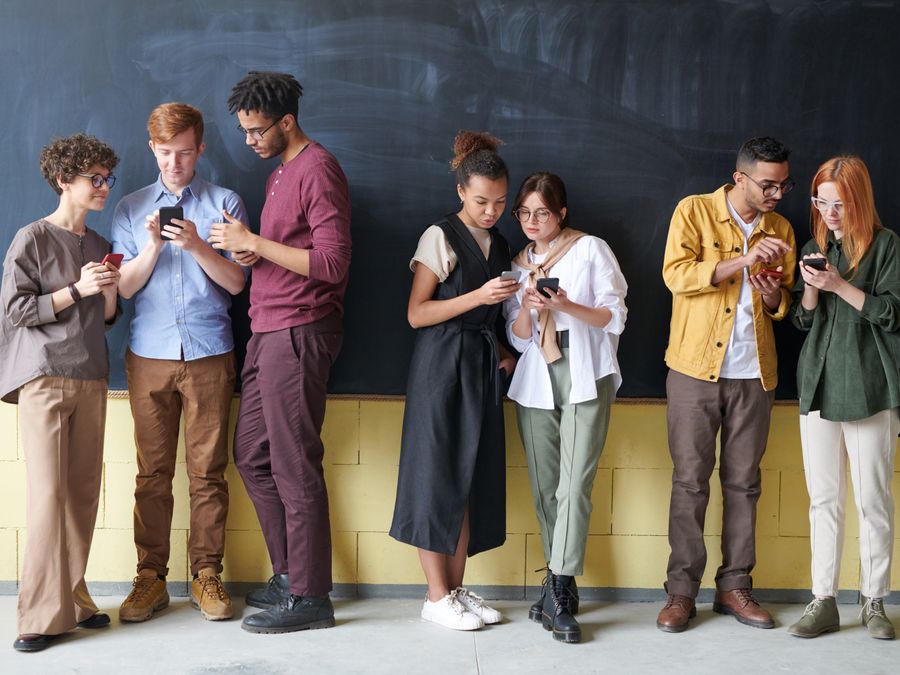
Instagram stands out among social media apps for several reasons that make it ideal for promoting student events. First, the platform is built around visual content. Photos and videos capture attention faster than text-heavy posts, which is exactly what you need when students are scrolling through their feeds between classes.
The age group that uses Instagram most heavily overlaps perfectly with college and university students. Most of your potential attendees are already spending time on the app daily, checking Stories from friends and discovering new accounts through the Explore page. This means you don’t have to convince anyone to download a new app or create a new account—your audience is already there.
Instagram also offers multiple content formats that work at different stages of event promotion. You can use regular posts for announcements that need to stay visible, Stories for daily updates and countdowns, Reels for reaching people who don’t follow you yet, and Live for real-time interaction. This variety lets you create a complete promotional campaign without leaving the platform.
Another advantage is the social nature of the platform. When someone shows interest in your event by liking, commenting, or sharing your content, their activity can introduce your event to their followers. This organic spread is especially valuable for student events because peer recommendations carry significant weight. If someone sees their friend is interested in an event, they’re more likely to check it out themselves.
The platform also makes collaboration easy. You can tag other accounts, create shared posts, and cross-promote with other student organizations. This interconnected approach helps events reach wider audiences than any single account could achieve alone.
Setting Up Your Event Account
Before you start posting about your event, take time to set up your Instagram presence properly. A well-organized account creates a professional first impression and makes it easier for people to find and follow you.
If you’re promoting a one-time event, you might decide to use your personal account or your organization’s existing page. However, for recurring events or major occasions, consider creating a dedicated event account. This keeps your content focused and allows people to follow specifically because they’re interested in the event.
Choosing the right username is important because it affects how easily people can find you. Keep it short, memorable, and connected to your event name. If you’re struggling to come up with options, try using an Instagram name generator to brainstorm ideas. Avoid complicated spellings or numbers that people might misremember.
Your profile bio should communicate essential information quickly. Include what the event is, when it’s happening, and where people can get more details. Instagram allows you to add one clickable link in your bio, so use it wisely. Consider linking to a registration page, a website with full event details, or a link-in-bio tool that houses multiple links.
Switch to a business or creator account to unlock helpful features like analytics, contact buttons, and the ability to schedule posts. These tools help you understand what content performs best and when your audience is most active.
To grow your Instagram presence, make sure your profile photo is recognizable—perhaps your event logo or organization mascot. Consistency in visual branding helps people recognize your content as they scroll. Pick a color scheme and stick with it across your posts, Stories, and highlight covers.
Finally, create a highlight reel of your most important Stories. This keeps essential information visible even after the 24-hour Story window closes. You might create separate highlights for event details, speakers or performers, ticket information, and behind-the-scenes content.
Using Instagram Stories for Event Updates
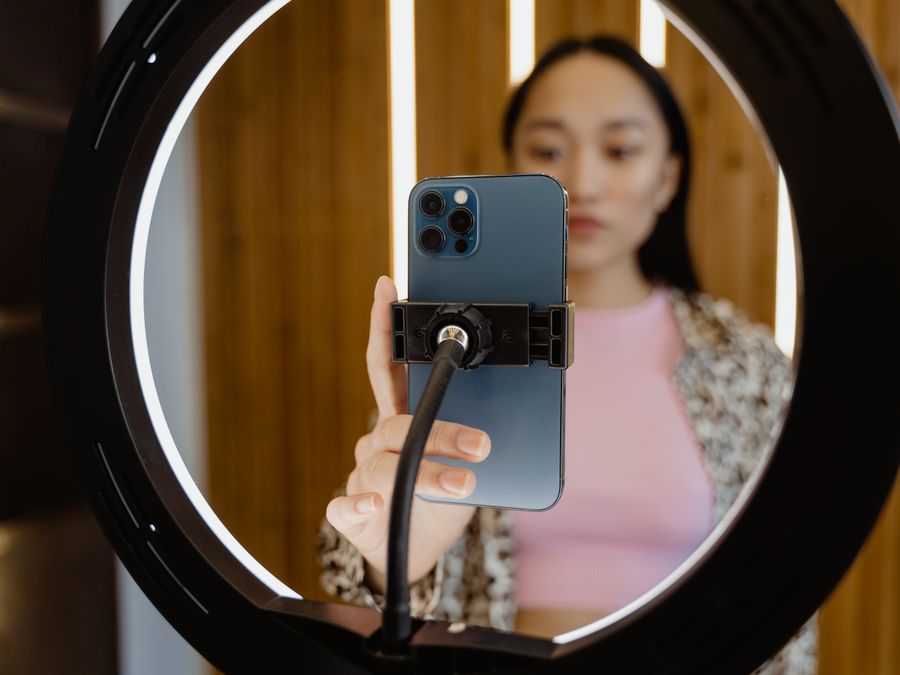
The Instagram Stories feature is perfect for sharing timely updates that keep your event fresh in people’s minds. Unlike regular posts that stay on your profile, Stories disappear after 24 hours, creating a sense of urgency that encourages people to check in regularly.
Start your promotional timeline by sharing teaser content. Post hints about what’s coming before you make the full announcement. This builds curiosity and primes your audience to pay attention when you reveal the details. A silhouette of a performer, a partially covered flyer, or a cryptic countdown can all generate interest.
Once you’ve announced the event, use Stories to share daily or weekly updates. Behind-the-scenes content works especially well here. Show the planning process, introduce committee members, or give sneak peeks of decorations and setups. This type of content makes followers feel like insiders and builds emotional investment in the event’s success.
The countdown sticker is one of the most useful tools for event promotion. When you add a countdown to your Story, followers can tap it to receive a notification when the timer ends. This essentially lets them set their own reminders for your event without you having to follow up individually.
Interactive stickers encourage engagement and provide valuable feedback. Use polls to let your audience vote on event details like music choices or food options. Question stickers allow followers to submit queries that you can answer publicly, addressing common concerns and building trust. Quiz stickers can test knowledge about the event or topic in a fun way.
For larger events, look into Instagram strategies for group events to coordinate promotion across multiple accounts. When student organizations collaborate, they can amplify each other’s content by sharing Stories to their respective audiences.
Don’t forget to save your best Stories to highlights. Organize them into categories like “About,” “Tickets,” “FAQ,” and “Sneak Peeks” so new visitors can quickly catch up on what they’ve missed. Keep updating these highlights as new information becomes available.
Timing matters with Stories. Post when your audience is most active, typically during lunch breaks, after classes, and in the evening. Since Stories appear in chronological order for viewers, posting at peak times increases the chances that your content appears near the front of their Story queue.
Creating Reels to Showcase Your Event
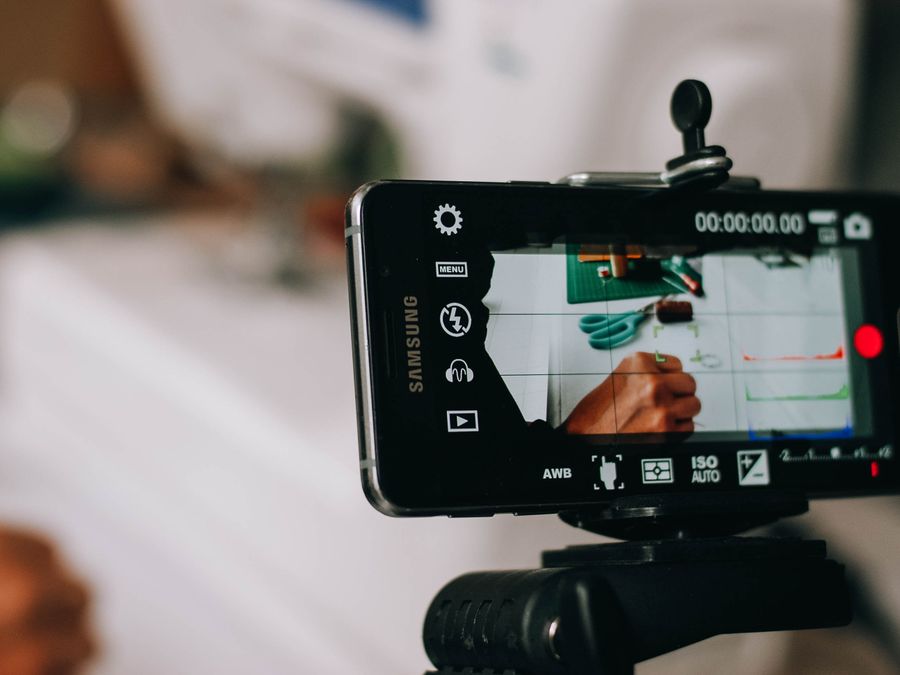
Reels by Instagram offer a powerful way to reach people who don’t already follow your account. These short videos appear in the Explore feed and dedicated Reels tab, giving your content a chance to go viral beyond your existing audience.
The key to successful Reels is grabbing attention in the first second. Start with an eye-catching visual or surprising statement that makes people stop scrolling. The opening moment determines whether someone watches your entire video or moves on.
Think about what makes your event unique and visually interesting. A music event could feature clips of performers practicing. A food festival might show mouth-watering preparation shots. An academic conference could highlight intriguing research topics or well-known speakers. Whatever your event type, find the visual hook that will appeal to your target audience.
Keep your Reels short and punchy. While the platform allows longer videos, shorter content often performs better because viewers are more likely to watch it completely and watch it multiple times. Each replay counts toward your view numbers and signals to the algorithm that your content is engaging.
When editing your footage, focus on trimming videos for Reels to remove any unnecessary sections. Tight editing keeps the pace energetic and holds viewer attention. Match your cuts to the beat of your background music for a polished, professional feel.
Speaking of music, audio trends can significantly boost your Reel’s visibility. When you use a trending sound, your video may appear when people browse content featuring that audio. Check the Reels tab regularly to spot popular sounds that fit your content.
Text overlays help communicate key information even when viewers watch without sound. Add captions that highlight your event name, date, and how to get tickets. Make sure the text is large enough to read on a phone screen and doesn’t compete with important visual elements.
Consider using AI-assisted Instagram content tools to enhance your videos with better transitions, effects, or even generated captions. These tools can help you produce polished content even if you don’t have professional video editing experience.
Post your Reels at least a few weeks before your event to give the algorithm time to push your content to new viewers. Earlier promotion gives people more time to mark their calendars and spread the word to friends.
Include a clear call-to-action at the end of each Reel. Tell viewers exactly what you want them to do next: follow for updates, tap the link in bio, or tag a friend who should come to the event. Direct instructions improve conversion rates.
Hosting Instagram Live Sessions
Going live on Instagram creates opportunities for real-time connection that pre-recorded content can’t match. Instagram Live lets you interact directly with potential attendees, answer their questions, and build excitement through authentic conversation.
Plan your live sessions around specific purposes. You might host a Q&A session where followers can ask anything about the event. You could interview performers, speakers, or organizers to give viewers a taste of what to expect. For events that happen annually, you might show highlights from previous years to demonstrate what attendees can look forward to.
Promote your live session in advance so people know when to tune in. Post about it on your Stories, include the time in your bio, and remind followers throughout the day of the broadcast. The more viewers you have when you start, the more Instagram will promote your stream to other users.
During the live session, acknowledge viewers by name when they join or ask questions. This personal touch makes people feel seen and encourages more participation. Pin important comments to the top of the chat so newcomers can quickly understand what you’re discussing.
Consider going live with a guest by using the dual-streaming feature. This combines both of your audiences and creates more dynamic conversation than a solo broadcast. Collaborate with other student organizations, event sponsors, or performers for these joint sessions.
Technical preparation matters. Find a quiet location with good lighting before you start. Test your internet connection to avoid awkward freezes or disconnections. Have a rough outline of topics to cover so you don’t run out of things to say, but stay flexible enough to follow interesting conversations where they lead.
After your live session ends, Instagram gives you the option to share the recording to your Stories or feed. This lets people who missed the live broadcast catch up and extends the value of your effort. You can also download the video to repurpose clips for other platforms.
Live broadcasts during your event itself can attract last-minute attendees and give people who couldn’t make it a taste of what they’re missing. Show the crowd, capture key moments, and interview attendees about their experience. This content also serves as promotion for future events.
Engagement Strategies to Boost Attendance
Creating content is only half the battle—you also need a solid engagement strategy to turn passive viewers into active attendees. High engagement signals to Instagram that your content is valuable, which increases its visibility in feeds and search results.
Start by responding to every comment and direct message promptly. When someone takes the time to interact with your content, they deserve a thoughtful response. Quick replies also create conversations that boost your post’s engagement metrics and make your account feel more personal and approachable.
Use Instagram’s interactive features creatively. Run polls asking followers to vote on event elements they care about. Create “this or that” choices to generate fun debates. Ask open-ended questions in your captions that encourage people to share their opinions. Every interaction is a touchpoint that keeps your event in someone’s mind.
Giveaways and contests generate significant buzz when done right. Offer free tickets, exclusive merchandise, or special experiences to randomly selected participants. Require actions that spread awareness, like following your account, tagging friends in comments, or sharing your post to their Stories. Make sure the prize is relevant to your event to attract genuinely interested participants rather than just prize hunters.
Partner with campus influencers—students with significant followings who can promote your event authentically. These might be athletes, artists, popular student government members, or anyone whose endorsement would carry weight with your target audience. Offer them early access, VIP treatment, or other perks in exchange for their promotion.
User-generated content builds community and provides social proof. Create a unique hashtag for your event and encourage followers to use it. Share the best user posts to your Stories or feed, giving credit to the creators. When people see others excited about your event, they’re more likely to want to join in.
Effective audience retention strategies keep followers engaged throughout your entire promotional period. Vary your content types to prevent fatigue—mix educational posts, entertaining videos, behind-the-scenes glimpses, and countdown reminders. Create a content calendar to ensure consistent posting without overwhelming your audience.
Cross-promote with complementary accounts. If you’re hosting a music event, partner with local venues or music clubs. Academic events could collaborate with departmental accounts. Food-related events might team up with campus dining or local restaurants. These partnerships expand your reach to relevant audiences.
Finally, make registration or attendance tracking easy. Use the link in your bio effectively, include clear instructions in your posts, and consider using Instagram’s native features like the Action Button if you’re running a business account. The easier you make it to sign up, the more people will actually complete the process.
Responsible Event Promotion on Social Media
Promoting events on Instagram comes with responsibilities that student organizers should take seriously. Responsible social media use protects both your organization and the people you’re trying to reach.
Always get permission before posting photos or videos of individuals, especially in contexts where they might be identifiable. At your events, consider posting signs that let attendees know photography is happening and give them the option to stay out of frame. When posting content featuring specific people, ask for their approval first.
Be honest in your promotional content. Don’t exaggerate attendance numbers, fabricate endorsements, or make promises your event can’t deliver. Misleading promotion might attract initial interest, but it damages your reputation when reality doesn’t match expectations. Build trust through accurate, transparent communication.
Respect intellectual property when creating content. Use royalty-free music or properly licensed tracks in your videos. Don’t use copyrighted images without permission. Credit creators when sharing user-generated content. These practices protect you from legal issues and demonstrate ethical standards.
Consider accessibility in your promotional content. Add captions to videos so deaf and hard-of-hearing followers can understand your message. Use descriptive alt text on images. Ensure that essential information is available in text form, not just in graphics that screen readers can’t interpret.
Finally, create content that’s inclusive and welcoming to all potential attendees. Review your posts for language or imagery that might unintentionally exclude certain groups. Your promotional content sets expectations for the event atmosphere, so make sure it reflects the inclusive environment you want to create.
Documenting Your Event Promotion Success
After your event concludes, take time to analyze what worked and what could improve. Instagram provides built-in analytics for business and creator accounts that reveal valuable insights about your promotional efforts.
Review metrics like reach, impressions, engagement rate, and follower growth during your promotional period. Note which types of content performed best. Did Reels outperform static posts? Which Story elements got the most interactions? This data helps you refine your approach for future events.
Compare your Instagram metrics with actual attendance. Try to understand the relationship between online engagement and real-world turnout. This connection isn’t always straightforward, but tracking it over multiple events can reveal patterns.
Document your process and results thoroughly. This information becomes valuable for several purposes. If you’re handing the event off to new organizers next year, detailed documentation helps them build on your success. If you’re applying for funding or sponsorships, evidence of promotional success strengthens your proposals.
Students can also turn their event promotion experience into academic work. If you’re writing about social media for a class, your hands-on experience provides authentic examples and insights that pure research cannot match. Marketing, communications, and business courses often welcome projects based on real promotional campaigns.
For students who want professional help structuring their event documentation, resources like Academized can provide guidance on organizing your findings into clear, academic formats. This is especially useful if you’re turning your experience into a formal report or presentation.
Your event promotion experience can also become a compelling case study for business or marketing portfolios. When applying for internships or jobs, showing that you successfully planned and executed a social media campaign demonstrates practical skills that employers value. You can find case study writing services that help you present your Instagram student event promotion efforts in a professional format suitable for academic submissions or career applications.
Save screenshots and records of your best-performing content. These examples serve as templates for future campaigns and portfolio pieces that showcase your skills. Keep notes on what you learned, challenges you overcame, and creative solutions you developed.
Remember that each event is a learning opportunity. Even campaigns that didn’t meet your goals provide valuable lessons about your audience, timing, content preferences, and promotional strategies. Approach documentation as an investment in future success, not just a review of past efforts.