


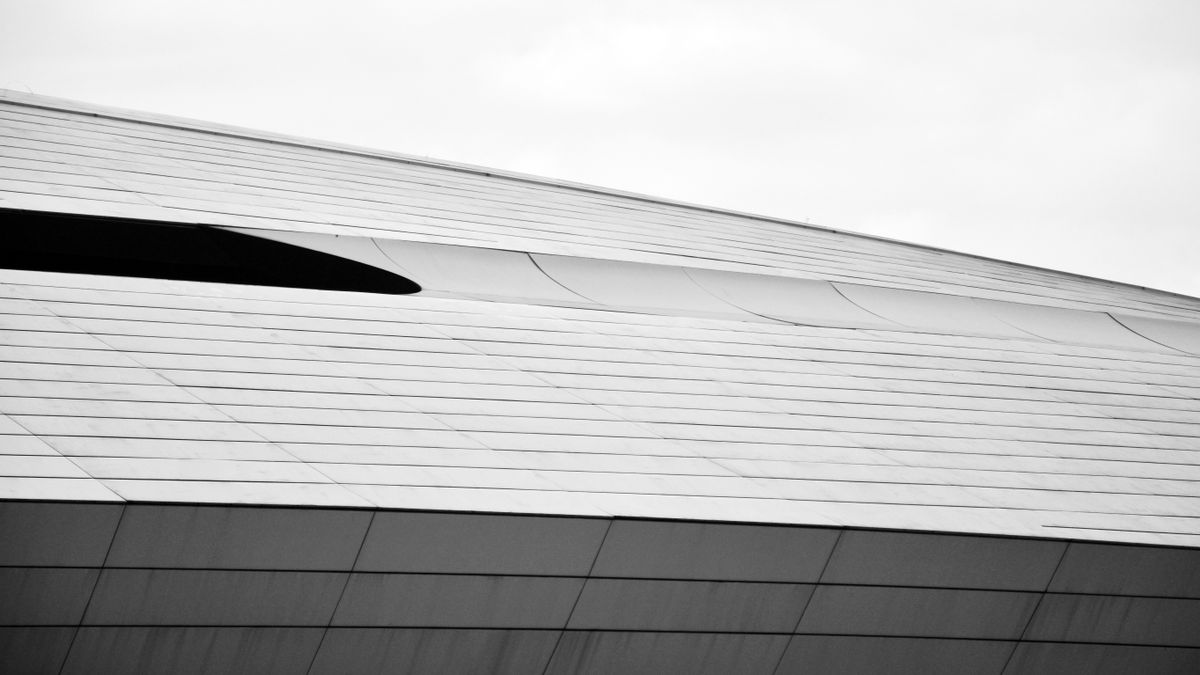

A black and white Instagram aesthetic can transform your feed into something truly striking. When you strip away color, every photo relies on contrast, composition, and emotion to make an impact. This creates a unified, professional look that catches the eye as people scroll through their feeds.
Whether you’re a photographer, artist, lifestyle creator, or brand looking to stand out, a monochrome feed offers a timeless quality that colorful posts often can’t match. The best part? You don’t need expensive equipment or professional training to pull it off. With the right approach to planning, shooting, and editing, anyone can create a stunning black and white Instagram aesthetic that feels intentional and cohesive.
In this guide, you’ll learn everything you need to build and maintain a beautiful monochrome feed. We’ll cover why this style works so well, how to plan your content, which apps to use for editing, and practical tips for keeping your aesthetic consistent over time.
Why Choose a Black and White Aesthetic for Instagram
There’s something special about black and white photography that has captivated artists for generations. Without the distraction of color, viewers focus on what really matters in an image: the shapes, the lighting, the textures, and the emotions being conveyed. This is why monochrome visuals continue to hold such artistic power even in an age of vivid, high-definition imagery.
A black and white Instagram aesthetic offers several key benefits for creators. First, it creates instant visual unity. When every post shares the same tonal range, your grid looks organized and intentional rather than chaotic. This cohesion makes your profile more memorable and gives visitors a clear sense of your style within seconds of landing on your page.
Monochrome feeds also communicate a sense of sophistication and timelessness. While trendy filters and color palettes come and go, black and white never goes out of style. This classic approach signals that you take your visual content seriously and have put thought into your presentation.
There’s also a practical benefit: consistency becomes easier to maintain. When you’re not worrying about matching colors across different lighting conditions and environments, you can focus on composition and subject matter instead. A black and white filter can tie together photos taken in completely different places and times, making your feed look seamless.
Perhaps most importantly, a strong aesthetic builds trust with your audience. When people visit your profile and see a unified, thoughtful presentation, they’re more likely to follow and engage. Understanding why audiences trust authentic creators helps explain this connection between visual consistency and credibility.
Planning Your Monochrome Feed
Creating a beautiful black and white Instagram aesthetic requires more than just applying the same filter to every photo. You need to think about how your posts will look together as a grid. This means planning your content in advance rather than posting randomly.
Start by considering the variety in your feed. Even within a monochrome palette, you want visual interest. Mix close-up details with wider shots. Alternate between light-dominant images and dark, moody ones. Include different subjects like architecture, portraits, nature, and everyday objects. This variety keeps your feed engaging while the black and white treatment keeps it unified.
Before you post, preview how new images will look alongside your existing content. You can use Instagram’s built-in drafts feature or third-party planning apps to see your grid layout before anything goes live. Learning to save your Instagram drafts gives you the flexibility to prepare multiple posts and arrange them for maximum visual impact.
Think about the rhythm of your feed. Some creators alternate between high-contrast and softer images. Others group similar subjects together or create patterns across rows. There’s no single right approach, but having a system helps you make decisions about what to post next.
Planning also means thinking ahead about your content calendar. Decide how often you want to post and batch-create content when possible. Taking time to build your Instagram content strategy upfront makes it much easier to maintain your aesthetic over weeks and months.
Shooting Photos That Work Well in Black and White
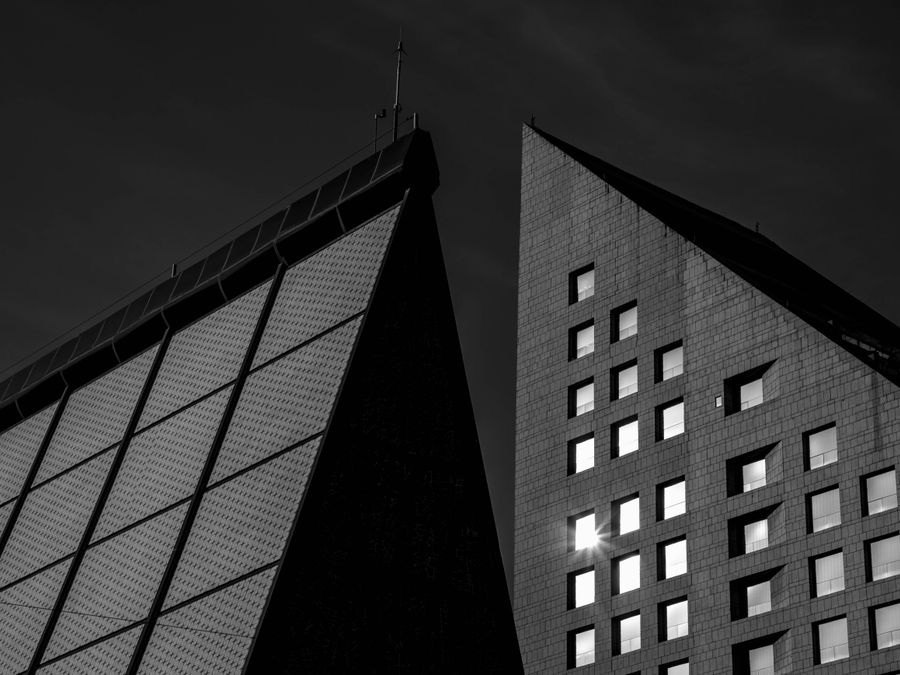
Not every photo translates well to black and white. When you remove color, you need other elements to create visual interest. The most successful monochrome images rely on strong contrast, interesting textures, compelling compositions, and good use of light and shadow.
Contrast is essential. Look for scenes where light and dark areas sit next to each other. A white building against a dark sky, shadows falling across a staircase, or sunlight streaming through a window all create the kind of tonal range that makes black and white images pop. Without enough contrast, monochrome photos can look flat and lifeless.
Texture becomes much more visible in black and white. Rough brick walls, weathered wood, fabric patterns, and skin details all stand out when color isn’t competing for attention. When you’re shooting, pay attention to surfaces and how light falls across them to reveal texture.
Composition matters even more without color to draw the eye. Use leading lines, symmetry, the rule of thirds, and framing techniques to create strong images. Since you can’t rely on a bright red jacket or vibrant green leaves to create a focal point, your composition needs to guide viewers through the image.
Natural scenes and outdoor environments often translate beautifully to monochrome. The way landscape art captures drama through light and shadow applies directly to black and white photography. Mountains, trees, water, and clouds all offer excellent subjects for your monochrome feed.
Train your eye by looking at your surroundings in terms of light and dark rather than color. Some photographers even use their phone’s black and white preview mode while shooting to see exactly how scenes will look.
Best Editing Apps for Black and White Photos

Having the right tools makes all the difference when editing your photos for a black and white Instagram aesthetic. While you can use Instagram’s built-in black and white filters, dedicated editing apps give you much more control over the final result.
VSCO is one of the most popular choices for black and white editing. It offers a range of film-inspired presets that give your photos a timeless, analog quality. Beyond presets, VSCO lets you fine-tune exposure, contrast, and grain to get exactly the look you want. Many creators appreciate its clean interface and the subtle, sophisticated results it produces.
For those who want more advanced customization options, Afterlight provides an impressive set of tools. You can adjust curves, selective colors (to control how different colors convert to gray tones), and create your own filters. This level of control helps you develop a signature editing style that sets your feed apart.
If you prefer a free option with professional-grade features, Snapseed is an excellent choice. It offers precise black and white adjustment controls, including the ability to adjust individual color channels. This means you can control whether reds become dark grays or light grays, giving you fine-tuned control over the final image. Snapseed also includes selective editing tools so you can darken or lighten specific areas of your photo.
When choosing an app, consider your workflow and skill level. Some people prefer simple, one-tap solutions while others enjoy spending time perfecting each image. The best app is the one you’ll actually use consistently.
Don’t overlook the built-in editing features in your phone’s camera app either. Both iOS and Android offer surprisingly capable black and white editing tools that work well for quick adjustments.
Key Settings to Adjust
Regardless of which app you use, certain adjustments consistently improve black and white photos. Contrast is usually the first thing to address. Increasing contrast makes lights lighter and darks darker, adding drama and depth to your images.
Exposure affects the overall brightness of your photo. For a black and white Instagram aesthetic, you might prefer slightly darker, moodier images or brighter, high-key looks depending on your style.
Grain can add a film-like quality that many people find appealing in monochrome images. A subtle grain helps photos feel less digital and more artistic. However, too much grain can look noisy, so use it sparingly.
Shadows and highlights deserve individual attention too. Lifting shadows reveals detail in dark areas while pulling down highlights recovers detail in bright areas. Finding the right balance here is key to a polished result.
Creating Consistent Filters and Presets
Once you’ve found editing settings you love, the next step is saving them as a preset. This allows you to apply the same look to all your photos with a single tap, saving time and ensuring consistency across your feed.
Most serious editing apps let you save custom presets. In VSCO, you can create recipes that combine multiple adjustments. Lightroom Mobile allows you to save and sync presets across devices. Even Snapseed lets you save looks that you can apply to future edits.
When developing your preset, test it on different types of images. A setting that looks perfect on a bright outdoor photo might not work well on an indoor portrait. The best presets require minimal additional adjustment regardless of the original image conditions.
Your editing choices become part of your artistic identity over time. Whether you prefer high contrast with deep blacks and bright whites, or a softer look with lifted shadows and muted tones, consistency in your editing reflects a clear personal vision. This recognizable style helps followers identify your work even before they see your username.
Consider creating a few variations of your main preset for different situations. You might have one version for portraits, another for architecture, and a third for moody scenes. As long as they share core characteristics, your feed will still look cohesive.
Keep notes on your preferred settings, especially when you’re just starting out. Having a reference makes it easier to maintain consistency even if you take breaks from posting or switch between different devices.
Extending Your Aesthetic to Stories and Reels

Your black and white Instagram aesthetic shouldn’t stop at your main feed. Stories and Reels offer additional opportunities to reinforce your visual brand. When all your content shares the same monochrome treatment, your profile feels cohesive and professional.
For Stories, apply black and white filters before filming or use Instagram’s built-in filter options. Many third-party apps also let you edit video clips in black and white before uploading them to your Story. Keep text overlays simple and avoid colorful stickers that clash with your monochrome aesthetic.
You can still add personality and interaction to your Stories while maintaining the black and white theme. Learning about creative Instagram Stories stickers helps you find ways to engage your audience without breaking your visual consistency. Look for neutral stickers or those that complement a grayscale palette.
Reels require a bit more planning since they involve motion and often music. Shoot your video content with the same attention to contrast and lighting you’d give to photos. Good lighting is even more important for video since you can’t make as many adjustments in post-production.
Don’t limit yourself to filming everything in black and white originally. You can also repurpose Instagram content into videos by animating still photos or combining multiple images into slideshow-style Reels. This approach lets you get more mileage from your existing content while exploring new formats.
Consider how music choices complement your aesthetic. Moody, atmospheric tracks often pair better with black and white visuals than bright pop songs. The audio should support the same feeling your images convey.
Maintaining Visual Consistency Over Time
Starting a black and white Instagram aesthetic is one thing. Keeping it consistent for months or years is another challenge entirely. As your skills improve and your taste evolves, you might be tempted to change direction. Here are some strategies for maintaining your look over the long term.
Document your editing process. Write down the exact settings you use for your presets, including contrast levels, exposure adjustments, and grain amounts. This reference helps you recreate your look even after taking breaks from posting.
Audit your feed regularly. Step back and look at your grid as a whole. Are certain images not matching the rest? Is your style drifting in a new direction? Regular check-ins help you catch inconsistencies before they become patterns.
Resist the urge to frequently change your approach. Every aesthetic requires time to establish itself in viewers’ minds. Switching styles too often prevents followers from developing a clear mental image of your brand.
When you do need to make changes to older posts, proceed carefully. There are important considerations around editing posts after publishing that you should understand. Sometimes it’s better to accept small inconsistencies rather than disrupt engagement metrics on posts that are already performing well.
If you feel creatively stuck within your monochrome constraints, experiment with new subjects rather than abandoning your aesthetic. Try street photography, abstract compositions, or portrait work. New content directions can reinvigorate your feed while keeping your signature black and white look intact.
Growing Your Audience with a Strong Aesthetic
A cohesive black and white Instagram aesthetic does more than look beautiful. It serves as a powerful tool for attracting and retaining followers. When people visit your profile and see a clear, consistent visual identity, they understand what to expect from following you. This clarity encourages more people to hit the follow button.
Visual consistency also improves recognition in the feed. As followers scroll past dozens of posts, your black and white images stand out as distinctly yours. This immediate recognition builds stronger connections between your content and your audience over time. A strong aesthetic helps you build a loyal audience that looks forward to your posts.
Use hashtags strategically to reach people who appreciate monochrome content. Tags related to black and white photography, minimalism, and specific subjects you photograph can help new viewers discover your work. People who seek out this type of content are more likely to engage with and follow accounts that deliver it consistently.
As your account grows, you might explore AI tools for Instagram growth to help scale your content creation. These tools can assist with everything from caption writing to post scheduling, freeing up time for you to focus on creating beautiful images.
Your aesthetic can also support broader business goals. Whether you’re building a personal brand, promoting products, or driving traffic to other platforms, a recognizable visual style makes all your marketing efforts more effective. Learning to integrate your aesthetic into a comprehensive Instagram marketing strategy helps you turn beautiful content into tangible results.
Collaborate with other creators who share similar aesthetics. Cross-promotion introduces your content to new audiences who already appreciate the style you offer. Look for photographers, artists, and brands whose visual sensibilities align with yours.
Remember that growth takes time. A black and white Instagram aesthetic is a long-term investment in your visual brand. Stay consistent, keep improving your photography and editing skills, and trust that your unique perspective will attract the right audience over time.
Building a black and white Instagram aesthetic requires intention, planning, and practice. But the results are worth the effort. You’ll create a feed that stands out, communicates professionalism, and gives followers a clear reason to engage with your content. Start with the fundamentals covered in this guide, develop your own signature style, and watch your monochrome vision come to life one post at a time.