


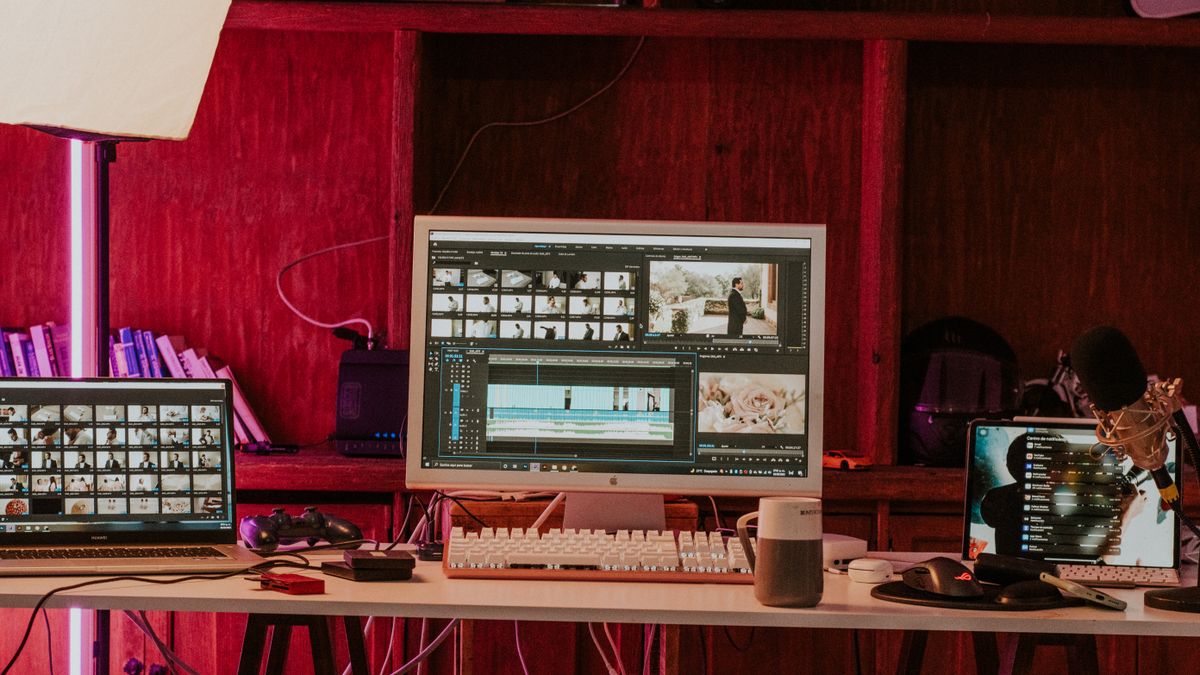

Making videos used to require expensive equipment, professional studios, and years of training. Today, anyone with a smartphone or laptop can create polished, engaging content that reaches audiences around the world. The shift has been remarkable, and it continues to accelerate as new tools emerge.
Technology transforming video creation has opened doors for independent creators, small businesses, educators, and hobbyists alike. What once took a team of specialists can now be accomplished by a single person working from their bedroom. This change is not just about convenience—it represents a fundamental shift in who gets to tell stories and share ideas through video.
From artificial intelligence that edits footage automatically to mobile apps that rival desktop software, the tools available to creators have never been more powerful or accessible. Understanding these changes helps you take advantage of them, whether you are just starting out or looking to streamline your existing workflow.
How AI Is Changing Video Editing
Artificial intelligence has become one of the most significant forces shaping how videos are made. Tasks that once required hours of manual work can now happen in minutes, thanks to smart algorithms that understand what you are trying to accomplish.
One of the most helpful AI features is automatic scene detection. When you import a long recording, the software can identify where different scenes begin and end. This saves you from scrubbing through footage to find the right moments. You can jump straight to the clips you need and start assembling your project.
Color correction is another area where AI shines. Instead of adjusting exposure, contrast, and saturation manually for each clip, AI tools analyze your footage and suggest corrections that create a consistent look. Some tools even match the color grading between different cameras, making your final video appear seamless even when shot in varying conditions.
Modern video editing software often includes AI features that were unimaginable just a few years ago. These tools can suggest music that fits your video’s mood, identify the best moments in lengthy footage, and even generate rough cuts based on your source material.
Audio cleanup has also benefited from AI advances. Background noise, echo, and inconsistent audio levels used to require specialized plugins and careful manual adjustment. Now, AI can clean up audio tracks automatically, removing unwanted sounds while preserving the clarity of voices and important audio elements.
Creators exploring AI-powered viral video tools are finding that they can produce content faster without sacrificing quality. The technology handles repetitive tasks, freeing creators to focus on storytelling and creativity. This shift means that even solo creators can compete with larger production teams.
Face tracking and object recognition add another layer of capability. AI can follow subjects through a frame, keeping them centered even in dynamic shots. This is particularly useful for creators who film themselves without a camera operator. The software does the work of keeping everything in frame and properly composed.
Time-Saving Automation Features
Beyond AI-specific tools, automation features have transformed how creators approach their workflows. Repetitive tasks that once ate into creative time can now run in the background while you work on other things.
Batch processing is a prime example. If you have a hundred clips that all need the same adjustments, you can apply those changes to all of them at once. This is invaluable for creators who produce content regularly and need consistent branding or visual treatment across their videos.
Templates have also evolved significantly. Modern templates are not just static starting points—they are smart systems that adapt to your content. Drop in your footage, and the template adjusts transitions, text placement, and timing automatically. This lets you maintain a polished look without recreating the same effects from scratch for every video.
Captioning used to be one of the most tedious parts of video production. Transcribing audio, timing each caption to the right moment, and formatting everything correctly could take longer than editing the video itself. Tools like auto captions have changed this completely. These systems transcribe your audio automatically and sync captions to your video with impressive accuracy.
The value of using automation tools for content creators extends beyond just saving time. When you automate routine tasks, you reduce errors and create more consistent output. You also free up mental energy for the creative decisions that actually matter.
Scheduled exports and uploads represent another automation frontier. Once your video is ready, you can set it to export overnight and publish automatically at a specific time. This lets you maintain a consistent posting schedule without needing to be at your computer when each video goes live.
Project organization has also become more automated. Some tools automatically sort your media by type, date, or content. Others create proxy files in the background, so you can edit smoothly even with high-resolution footage on modest hardware. These behind-the-scenes automations make the entire editing experience more pleasant.
Visual Effects Made Simple
Visual effects that once required expensive software and years of training are now accessible to anyone. This democratization of effects has expanded what independent creators can accomplish.
Green screen work, also known as chroma keying, has become remarkably simple. You no longer need a perfectly lit professional studio to remove backgrounds. Software can handle uneven lighting, shadows, and even loose hair with results that look natural.
Using a video background remover is now as simple as clicking a button in many applications. The software analyzes each frame, identifies the subject, and removes everything else. You can then replace the background with anything you want—a different location, an animated backdrop, or a simple solid color.
Motion graphics that once required dedicated animation software can now be created within video editors. Text animations, lower thirds, transitions, and overlays are available as presets that you can customize to fit your style. Adding professional-looking graphics no longer requires learning an entirely separate application.
Speed ramping and time manipulation have also become more intuitive. Creating smooth slow-motion effects, even from footage that was not shot at high frame rates, is possible thanks to AI frame interpolation. The software generates intermediate frames to create fluid slow-motion that looks natural rather than choppy.
Stabilization has improved dramatically as well. Shaky handheld footage can be smoothed out automatically, and the results are often good enough that viewers never notice the original camera movement. This is particularly helpful for creators who film while moving or cannot always use a tripod.
Color grading presets and lookup tables have made cinematic looks achievable for everyone. You can apply the visual style of a Hollywood film to your footage with a single click, then fine-tune the results to match your vision. This speeds up the grading process and helps maintain consistency across projects.
Mobile Editing for Creators on the Go
The rise of powerful mobile devices has untethered video creation from the desktop. Creators can now film, edit, and publish entire projects without ever touching a computer.
Modern smartphones capture video at resolutions and quality levels that rival dedicated cameras. Combined with mobile editing apps, this means you can create professional-looking content wherever you happen to be. Waiting at an airport, sitting in a café, or relaxing at home—your production studio fits in your pocket.
Apps like Adobe Premiere Rush bring desktop-class features to mobile devices. You get timeline editing, multiple video and audio tracks, color correction, and motion graphics—all optimized for touchscreens. The interfaces are designed for smaller screens, making complex edits manageable without a keyboard and mouse.
Cloud syncing has made mobile editing even more practical. Start a project on your phone, continue refining it on your tablet, and finish on your computer if needed. Your work follows you across devices, eliminating the friction of transferring files or losing progress.
Creators who embrace mobile-first video workflows often find that they produce more content overall. When editing is not tied to sitting at a desk, it becomes easier to work in short bursts throughout the day. This flexibility is especially valuable for creators who balance video production with other responsibilities.
Social media platforms have also optimized for mobile creation. Built-in editing tools within Instagram, TikTok, and YouTube allow you to enhance footage, add music, apply filters, and include text without leaving the app. While these tools are simpler than dedicated editors, they are often sufficient for quick posts and stories.
Battery life and storage used to be major concerns for mobile creators, but devices have improved significantly. Modern phones can handle hours of filming and editing on a single charge, and cloud storage options mean you are not limited by your device’s internal capacity.
Short-Form Video Platforms and Growth
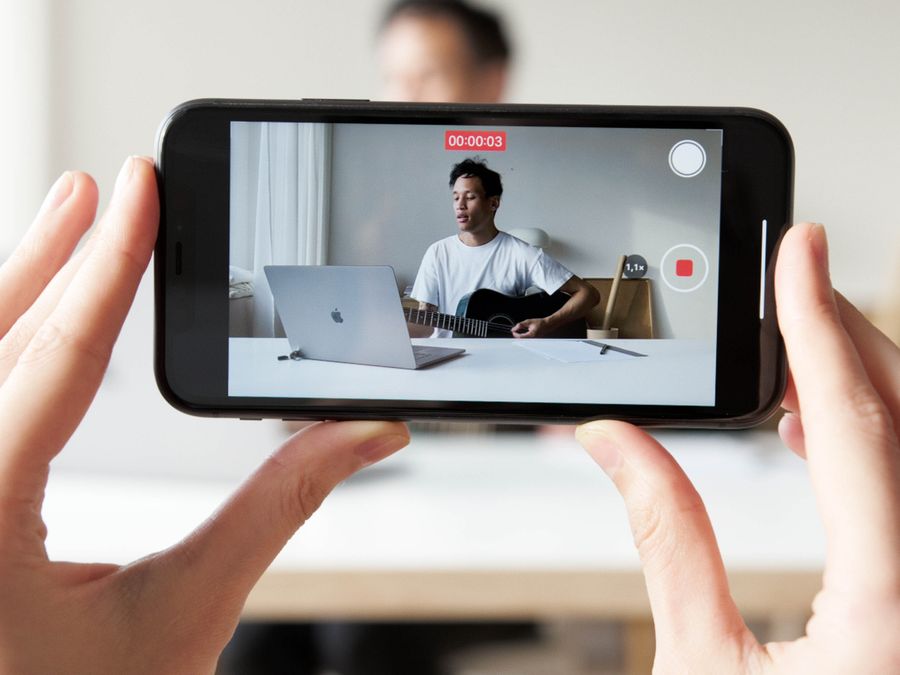
The explosion of short-form video has fundamentally changed how creators think about content. Platforms that prioritize brief, engaging clips have created new opportunities and new challenges.
Vertical video, once considered unprofessional, is now the default format for many platforms. Creators have adapted by thinking differently about framing, composition, and how they present information. A horizontal mindset does not translate directly to vertical content, so successful creators have developed new visual languages for these formats.
Discovering how to leverage YouTube Shorts for channel growth has become essential for many creators. These brief videos serve as entry points, introducing viewers to your content and encouraging them to explore your longer-form work. The algorithm-driven discovery on these platforms can expose your content to audiences you would never reach otherwise.
Instagram has also become a major force in video content. Reels compete directly with TikTok for attention, and creators often cross-post content across multiple platforms to maximize reach. Understanding Instagram video promotion strategies helps creators make the most of their efforts on the platform.
The attention economy has intensified. With endless content competing for views, capturing attention in the first few seconds has become critical. Successful short-form creators have learned to front-load their most compelling visuals and messages, hooking viewers before they scroll away.
Trends move quickly in the short-form space. A sound, format, or concept can dominate for a few days and then fade completely. Creators who thrive in this environment stay alert to emerging trends and can produce relevant content quickly. The technology discussed earlier—fast editing tools, automation, and mobile workflows—makes this rapid response possible.
Analytics on these platforms provide immediate feedback. You can see within hours whether a video is resonating with audiences. This quick feedback loop allows for rapid experimentation and iteration, helping creators refine their approach based on real data rather than guesswork.
Skills Modern Video Creators Need
While technology has made video creation more accessible, successful creators still need to develop certain abilities. The tools have changed, but the need for skill and knowledge remains.
Understanding storytelling fundamentals matters more than ever. With so much content available, videos that tell compelling stories stand out. Learning how to structure a narrative, build tension, and deliver satisfying conclusions helps your content connect with viewers on an emotional level.
Technical literacy is essential, even when software handles much of the heavy lifting. Knowing the basics of how video codecs work, why certain export settings matter, and how to troubleshoot common problems saves time and frustration. Familiarity with modern software solutions helps creators evaluate new tools and incorporate them into their workflows effectively.
Developing advanced skills in video production can also benefit your career beyond content creation. These capabilities are increasingly valued across industries, from marketing and education to corporate communications and journalism.
Audio skills are often underrated but hugely impactful. Clean, well-balanced audio can make amateur visuals feel professional, while poor audio can undermine even the most beautiful footage. Learning the basics of recording, mixing, and mastering audio elevates your entire production.
Platform-specific knowledge is also valuable. Each platform has its own quirks, best practices, and audience expectations. What works on YouTube may not work on TikTok, and vice versa. Successful creators study the platforms where they publish and adapt their content accordingly.
Finally, consistency and persistence matter. The technology can help you produce videos faster, but building an audience still takes time. Creators who succeed typically show up regularly over extended periods, gradually improving their craft and building relationships with their viewers.
Getting Your Videos Seen Online

Creating great videos is only part of the equation. Getting those videos in front of the right audience requires attention to distribution and promotion.
Understanding SEO and social media visibility helps your content appear when people search for relevant topics. Titles, descriptions, and tags all influence how platforms categorize and recommend your videos. Taking time to optimize these elements can significantly increase your reach.
Thumbnails serve as the first impression for most videos. A compelling thumbnail can dramatically increase click-through rates, while a weak one can cause viewers to scroll past even excellent content. Spending time on thumbnail design is one of the highest-impact activities a creator can undertake.
Social media promotion extends the reach of your videos beyond the platform where they are published. Sharing clips, behind-the-scenes content, and teasers across multiple networks drives traffic back to your main content. Building a presence on several platforms creates multiple pathways for audiences to discover your work.
Paid promotion can accelerate growth when used strategically. Learning about budgeting for video campaigns helps you make informed decisions about where to invest your money. Even small budgets can make a difference when targeted effectively.
Collaboration is another powerful distribution strategy. Working with other creators exposes your content to their audiences and vice versa. These partnerships can range from simple shoutouts to fully collaborative projects, and they often benefit everyone involved.
Engaging with your audience builds loyalty and encourages sharing. Responding to comments, asking for feedback, and incorporating viewer suggestions makes people feel invested in your content. This engagement often translates to organic promotion as viewers recommend your work to others.
What the Future Holds for Video Creation
The pace of change in video technology shows no signs of slowing. Emerging technologies promise to make creation even more accessible while opening new creative possibilities.
AI capabilities will continue expanding. Future tools may be able to generate entire rough cuts based on a brief description, suggest specific edits based on successful videos in your genre, or automatically adapt your content for different platforms and aspect ratios.
Virtual and augmented reality are slowly becoming more mainstream. As these technologies mature, creators will need to think about video in three dimensions rather than two. The skills and tools for creating immersive content are still developing, but early adopters may find significant advantages.
Real-time rendering is blurring the line between pre-recorded and live content. Tools that allow complex visual effects during live streams are becoming more powerful, enabling new forms of interactive entertainment and communication.
The technology transforming video creation will keep evolving, and creators who stay curious and adaptable will be best positioned to take advantage of new developments. The fundamentals of good storytelling and audience connection remain constant, but the tools for achieving them will continue to improve.
Whatever changes come next, the democratization of video creation seems irreversible. The barriers that once kept video production in the hands of professionals have fallen. Anyone with ideas and the willingness to learn can now share their vision with the world. That opportunity—to create, connect, and communicate through video—has never been more accessible than it is today.