




You pick up your phone to check one notification. Thirty minutes later, you’re still scrolling through Reels, wondering where the time went. If this sounds familiar, you’re not alone. Instagram addiction is something many people struggle with, even if they don’t realize it has a name.
The good news is that you don’t have to delete the app completely or go cold turkey to build a healthier relationship with Instagram. Small, steady changes can make a big difference. This guide will walk you through why Instagram feels so hard to put down, how to spot the signs of overuse, and practical steps you can take to reclaim your time and attention.
Let’s start by understanding what makes Instagram so hard to resist in the first place.
Why Instagram Can Feel So Hard to Put Down

Instagram isn’t just a photo-sharing app anymore. It’s been carefully designed to keep you engaged for as long as possible. The more time you spend on the platform, the more ads you see, and the more money the company makes. This business model shapes everything about how the app works.
When you open Instagram, you’re greeted by an endless feed that has no natural stopping point. Unlike reading a book or watching a movie, there’s no final page or end credits. You can always scroll just a little bit more, and the app is designed to hold your attention using a combination of features that feel rewarding.
One reason Instagram feels so addictive is the use of variable rewards. Sometimes you see a post that makes you laugh or a photo from a friend you haven’t heard from in a while. Other times, you scroll past content that doesn’t interest you at all. This unpredictability keeps your brain engaged because you never know when the next satisfying moment will appear. It’s the same principle that makes slot machines so hard to walk away from.
Creators on the platform also understand how to grab and hold attention. Many use scroll-stopping hooks in their videos and posts to make you stop mid-scroll and keep watching. These techniques are designed to override your intention to put the phone down.
Behind the scenes, AI engagement tools help creators and brands optimize their content for maximum reach. The algorithm learns what keeps you watching and serves up more of exactly that. Over time, your feed becomes a highly personalized stream tailored to what your brain finds most compelling.
The result of all this is that mindless scrolling becomes the default behavior. You might not even notice how much time has passed because you’re in a kind of autopilot mode. This constant stimulation can also affect your ability to focus on other tasks, making it harder to concentrate on work, conversations, or hobbies that require sustained attention.
Understanding that Instagram addiction isn’t a sign of personal weakness can be helpful. The app is built by teams of engineers and psychologists who specialize in keeping people engaged. Recognizing these design choices is the first step toward taking back control.
Signs You Might Be Overusing Instagram

It can be hard to tell when casual use crosses the line into something unhealthy. After all, most people check social media every day, and there’s nothing wrong with enjoying the platform in moderation. But there are some warning signs that suggest your Instagram use might be causing problems.
One of the clearest signs is losing track of time regularly. If you often open the app for a quick check and find yourself still scrolling half an hour or more later, that’s worth paying attention to. Another sign is reaching for your phone first thing in the morning, even before getting out of bed or having breakfast.
Feeling anxious when you can’t access Instagram is another red flag. If you get restless or irritable when you forget your phone or can’t connect to the internet, it suggests the app has become more than just entertainment. Similarly, if you find yourself thinking about Instagram while doing other activities—wondering if someone liked your post or imagining what content to post next—the platform may be taking up too much mental space.
Overusing Instagram can also create mental pressure and emotional strain. You might compare yourself to others and feel like your life doesn’t measure up. Or you might feel obligated to post regularly and stressed when you can’t think of what to share. Some people experience a drop in mood after spending time on the app, even if they don’t consciously notice it.
Physical signs matter too. Eye strain, headaches, disrupted sleep from scrolling late at night, and neglecting exercise or other physical activities can all be connected to excessive screen time.
If you want to get a clearer picture of where you stand, try to audit your Instagram usage for a week. Track how much time you spend on the app each day and notice when and why you reach for it. You might be surprised by what you find.
Unhealthy Habits That Keep You Coming Back
Beyond the app’s design, certain behaviors can make Instagram addiction worse. Being aware of these patterns can help you break free from them.
One common trap is checking likes and comments constantly. Posting a photo and then refreshing the app repeatedly to see how it’s performing turns Instagram into a source of validation. Your mood becomes tied to how many people engage with your content, which puts you on an emotional rollercoaster.
The desire for more followers can become its own obsession. Some people get caught up in chasing free followers through follow-for-follow schemes or other tactics that don’t lead to genuine connections. This can turn into an endless cycle where no follower count ever feels like enough.
Taking shortcuts to boost numbers often backfires. Buying followers might seem like a quick fix, but it usually leads to hollow results—accounts that don’t engage with your content and sometimes get removed by the platform. The temporary boost doesn’t satisfy the underlying need, so people often find themselves wanting more.
Similarly, using follower generators or automation tools to inflate your numbers keeps you focused on metrics instead of meaningful use of the platform. It reinforces the idea that your worth is tied to numbers on a screen, which can deepen the addiction cycle.
Another unhealthy habit is using Instagram to avoid uncomfortable feelings. Feeling bored, anxious, lonely, or sad? The immediate distraction of scrolling offers temporary relief. But it doesn’t address the underlying emotions, and over time, it can become a crutch that prevents you from developing healthier coping skills.
Fear of missing out—often called FOMO—also plays a role. Seeing friends at events or watching other people’s seemingly exciting lives can make you feel like you need to keep checking in so you don’t miss anything important. This fear keeps you tethered to the app even when you’d rather be doing something else.
Simple Steps to Break the Cycle

The path to breaking Instagram addiction doesn’t require extreme measures. Small, consistent changes are more sustainable than drastic ones that are hard to maintain. Here are some practical steps to get started.
First, set clear boundaries around when and where you use Instagram. Pick specific times of day for checking the app—maybe once in the morning and once in the evening—and stick to them. Avoid opening Instagram during meals, right before bed, or during focused work time.
Remove Instagram from your home screen so it’s not the first thing you see when you unlock your phone. You can move it to a folder or a secondary screen where you have to deliberately look for it. This small friction can interrupt the automatic habit of opening the app without thinking.
Turn off notifications, or at least turn off the non-essential ones. You don’t need to know immediately every time someone likes your post or views your story. Batch-checking these updates during your designated Instagram time is much less disruptive.
If you’re a creator or use Instagram for business, consider setting up a content calendar so you can post intentionally instead of checking the app constantly. Scheduling your posts in advance means you don’t have to open the app every time you want to share something.
Find replacement activities for times when you typically reach for your phone. If you usually scroll while waiting in line or during breaks, bring a book, listen to a podcast, or simply look around and observe your surroundings. These alternatives give your brain a chance to rest instead of constantly seeking stimulation.
Tell someone about your goal to cut back on Instagram. Having accountability makes it easier to stick with your plan. You might even find a friend who wants to do the same thing, and you can support each other.
Finally, be patient with yourself. You can reset your habits with consistent small changes, but it takes time. If you slip up and spend an hour scrolling one day, don’t give up. Just start fresh the next day and keep going.
Tools That Can Help You Track and Limit Usage
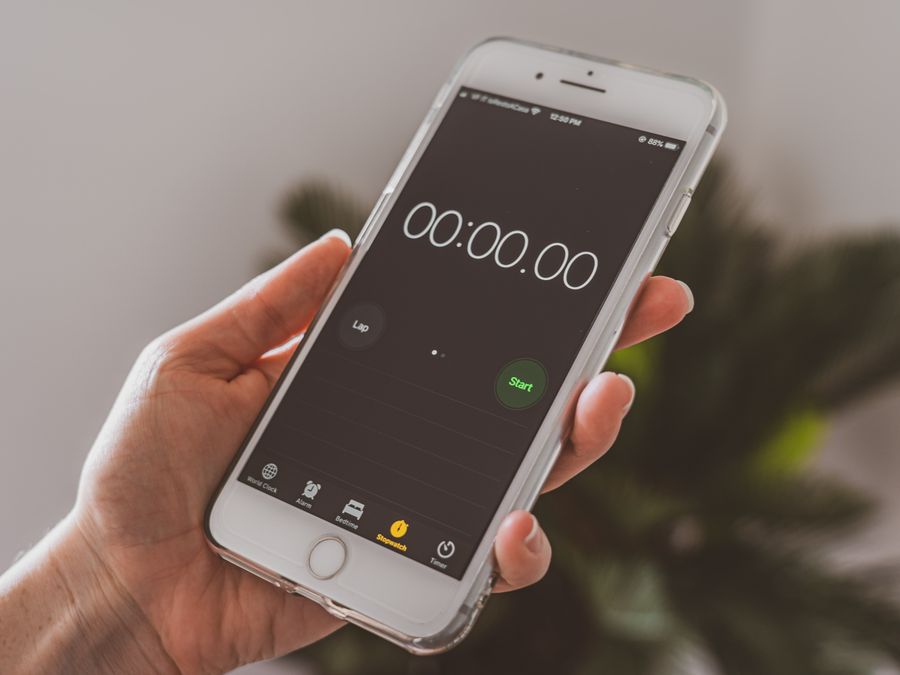
Technology got you into this, and it can also help you out. Several tools are designed to help you understand and manage your screen time.
Start with the built-in features on your phone. Both iPhone and Android devices have screen time tracking that shows you exactly how much time you spend on each app. You can also set daily limits that will remind you or lock the app when you’ve reached your chosen amount of time.
Instagram itself has a feature called “Take a Break” that you can enable in the settings. It will notify you after you’ve been scrolling for a set amount of time—like 10, 20, or 30 minutes—giving you a gentle nudge to close the app.
Third-party apps offer more robust options. Some let you block specific apps during certain hours, create schedules, or even require you to complete tasks before you can access distracting apps. Research the options available for your phone and find one that fits your needs.
If you want to understand how you’re spending your time more broadly, tools like My Hours can help you see where your hours go throughout the day. While it’s primarily a time tracking tool for work, it can be useful for anyone who wants a clear picture of how they’re allocating their time.
The key is to find tools that work for your lifestyle and actually use them. Installing an app and then ignoring its reminders defeats the purpose. Treat the limits you set as real boundaries, not suggestions.
Protecting Yourself While You Rebuild Better Habits
As you work on reducing your Instagram use, it helps to adjust the app itself to make it a safer, less triggering environment.
Start by curating your feed more intentionally. Unfollow or mute accounts that make you feel bad about yourself. This includes accounts that trigger comparison, promote unrealistic lifestyles, or simply don’t add value to your life. You have complete control over what appears in your feed, so use it.
Consider making your account private if it isn’t already. This can reduce the pressure to perform for strangers and let you focus on genuine connections with people you actually know.
Review your Instagram privacy settings to limit who can contact you and what information is visible on your profile. Reducing unwanted interactions can make the app feel less overwhelming and give you more control over your experience.
Turn off the activity status feature so others can’t see when you were last online. This removes the pressure to respond immediately to messages and lets you check Instagram on your own schedule.
You might also experiment with using Instagram only on a computer instead of your phone. The desktop version is less convenient and doesn’t have all the same features, which naturally reduces how often and how long you use it.
Finally, be mindful of who you interact with on the platform. Surround yourself with accounts and people who support your goals and make you feel good. A positive online environment is much easier to step away from than one that constantly pulls you back in with drama or negativity.
When to Consider Professional Help
For most people, the steps outlined above will be enough to build a healthier relationship with Instagram. But sometimes, self-help isn’t enough. Knowing when to seek additional support is important.
If you’ve tried multiple strategies over several weeks and still can’t control your Instagram use, it might be time to talk to someone. This is especially true if your usage is affecting your relationships, work, school, or daily responsibilities.
Other signs that professional help could be beneficial include feeling depressed or anxious much of the time, using Instagram to cope with difficult emotions regularly, or noticing that your mental health has declined significantly since your usage increased.
There’s no shame in seeking support. Social media addiction is a real issue that therapists and counselors are increasingly trained to address. A professional can help you understand the root causes of your behavior and develop personalized strategies for change.
Resources like Choosing Therapy can help you find therapists who specialize in behavioral issues including social media addiction. Many offer online sessions, making it easier to get help regardless of where you live.
Support groups—both online and in-person—can also be valuable. Talking to others who are going through the same thing helps you feel less alone and can provide practical tips that have worked for real people.
Remember, seeking help is a sign of strength, not weakness. If Instagram addiction is significantly affecting your quality of life, reaching out to a professional is one of the best things you can do for yourself.
Building a healthier relationship with Instagram is possible. Whether you make small changes on your own or get support along the way, the effort is worth it. Reclaiming your time and attention opens up space for the things that truly matter to you.