



Having trouble with your Instagram account? You’re not alone. Whether you’re locked out, dealing with a hacked profile, or just trying to figure out how a certain feature works, getting Instagram help can feel frustrating at times. The good news is that there are several ways to find answers and solve your problems.
Instagram offers various support channels and resources to assist users with everything from basic questions to serious security concerns. Understanding where to look and what steps to take can save you hours of confusion and help you get back to enjoying the platform.
This guide walks you through all the main ways to get help on Instagram. We’ll cover how to access support options, solve common account problems, recover a hacked account, protect your profile from threats, manage privacy settings, handle content issues, and know when it’s time to reach out to Instagram directly.
How to Access Instagram Help Options
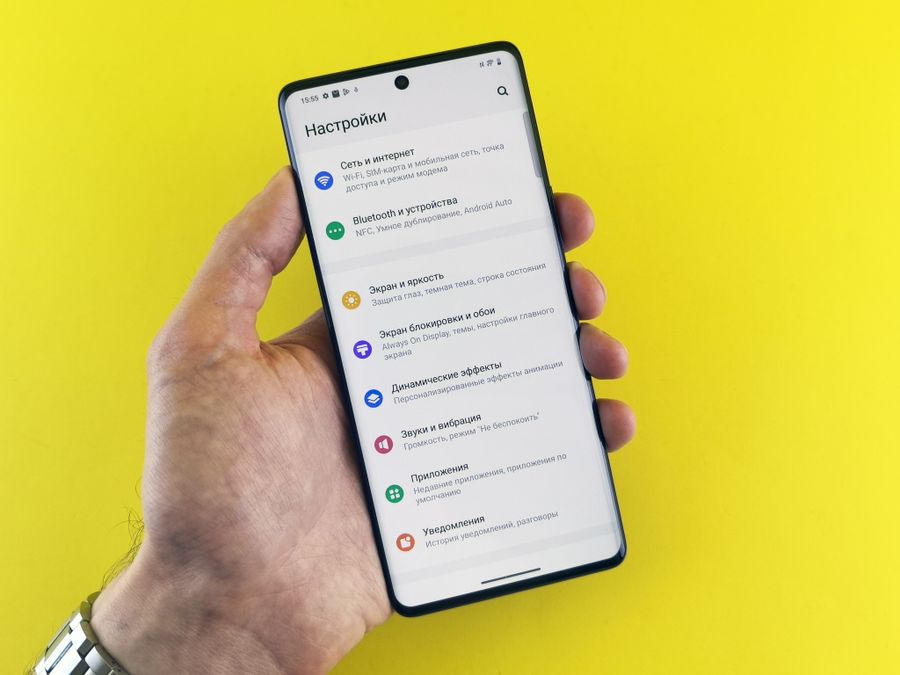
Finding Instagram help starts with knowing where to look. The platform provides several built-in resources that can answer most questions without needing to contact anyone directly.
The easiest place to start is right inside the app. Open Instagram and tap your profile picture in the bottom right corner. Then tap the three horizontal lines in the top right to open the menu. From there, select “Settings and privacy,” scroll down, and you’ll find “Help.” This section contains options for reporting problems, accessing support requests, and finding answers to common questions.
If you prefer using a computer, you can visit the Instagram website and access your account settings from there. Click on your profile picture, then go to settings to find similar help options. Some users find it easier to navigate support features on a larger screen.
For detailed guides and troubleshooting articles, the Instagram Help Center is the official resource you should bookmark. This website contains hundreds of articles organized by topic. You can search for specific issues or browse categories like “Managing Your Account,” “Privacy and Safety,” or “Using Instagram.” Most common questions have step-by-step answers waiting for you there.
The Help Center also includes information about Instagram’s Community Guidelines, so you can understand why certain content might be removed or why your account might face restrictions. Knowing these rules helps prevent future problems.
Common Instagram Account Problems and Solutions
Many Instagram issues are more common than you might think, and most have straightforward solutions once you know what’s happening.
Login Problems
Getting locked out of your account is one of the most stressful experiences on Instagram. If you can’t remember your password, use the “Forgot password?” link on the login screen. Instagram will send a reset link to your email or phone number. Make sure you check your spam folder if the email doesn’t arrive within a few minutes.
If you’re seeing a message that your account doesn’t exist, double-check that you’re entering the correct username. Sometimes people accidentally create slight variations of their username and forget which one they used.
Action Blocks and Restrictions
Instagram may temporarily block certain actions if you perform them too quickly or too often. This includes following, liking, commenting, or sending direct messages. These blocks usually last anywhere from a few hours to a few days.
Understanding Instagram follow limits can help you avoid these restrictions in the first place. The platform sets these boundaries to prevent spam and keep the community healthy. If you hit a block, the best approach is to wait it out and reduce your activity once it lifts.
Taking a Break from Instagram
Sometimes the best solution is stepping away temporarily. If you’re dealing with overwhelming issues or just need time to sort things out, deactivating your Instagram account gives you a clean break without losing your data. Your profile, photos, comments, and likes will be hidden until you reactivate by logging back in. This option works well for users who want to pause their presence without starting over completely.
How to Recover a Hacked Instagram Account
Discovering that someone has taken over your Instagram account is alarming, but there are clear steps you can take to regain control.
Recognize the Signs
Common signs of a hacked account include posts you didn’t create, messages sent without your knowledge, changed profile information, or receiving emails from Instagram about login attempts from unfamiliar locations. If you notice any of these, act quickly.
Recovery Steps
First, try to log in normally. If your password was changed, use the “Forgot password?” option to reset it. Instagram will send a reset link to your registered email or phone number. If the hacker changed your email address, you can tap “Need more help?” on the login screen to access additional recovery options.
Instagram may ask you to verify your identity. This could involve receiving a security code via email or phone, or you might need to submit a video selfie so Instagram can confirm you’re a real person. Follow the prompts carefully and provide accurate information.
After recovering your account, take immediate steps to secure it. Change your password to something strong and unique. Check your email account as well—if hackers got into your Instagram, they may have accessed your email too. You can use Have I Been Pwned to check if your email credentials were exposed in any data breaches.
Understanding How Accounts Get Compromised
Knowing how hacks happen helps you prevent them in the future. Many account takeovers start with phishing messages that trick you into entering your login details on fake websites. Others result from using weak or reused passwords. Learning about Instagram bots and account safety can also help you understand how certain automated interactions might put your account at risk.
Protecting Your Instagram Account from Security Threats
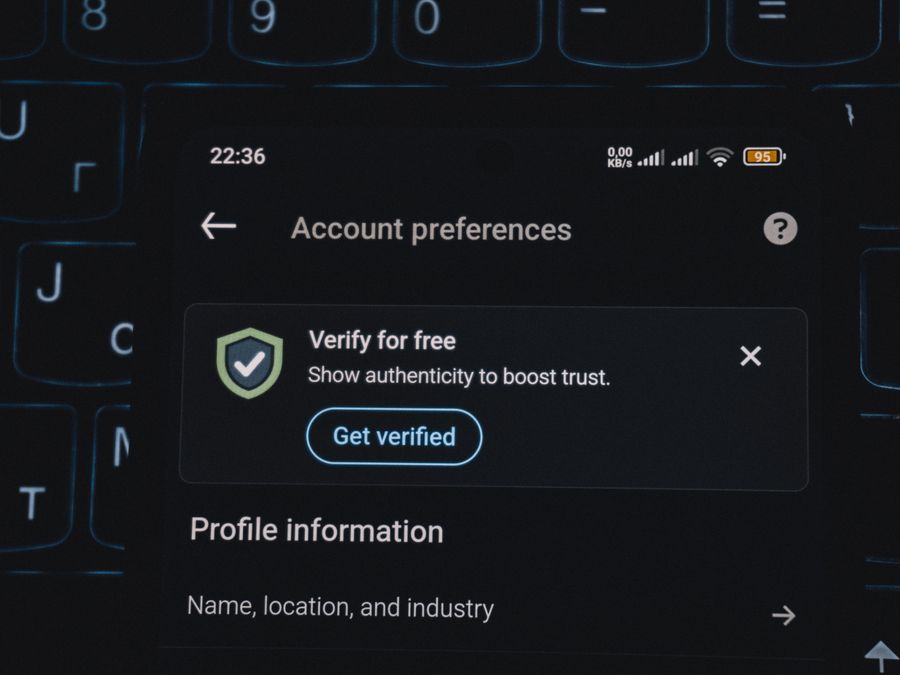
Prevention is always better than recovery. Taking a few proactive steps can dramatically reduce your chances of experiencing account problems.
Enable Two-Factor Authentication
Two-factor authentication adds an extra layer of security beyond your password. When enabled, you’ll need to enter a special code along with your password when logging in from a new device. This means that even if someone steals your password, they still can’t access your account without the code.
To set this up, go to Settings, then Security, and tap “Two-factor authentication.” You can receive codes via text message, but using an authentication app is more secure. Google Authenticator is a trusted option that generates time-based codes directly on your phone.
Recognize Phishing Attempts
Phishing messages try to trick you into revealing your login information. They often look like official communications from Instagram, claiming there’s a problem with your account and asking you to click a link to fix it.
Real Instagram emails about security come only from specific addresses ending in @mail.instagram.com. You can also check genuine communications by going to Settings, then Security, and tapping “Emails from Instagram.” This section shows real messages Instagram has sent you recently.
Why Security Matters Across All Platforms
Strong account security isn’t just important for social media. Cybercriminals use similar tactics across the internet. For example, spam donations carding attacks target online donation platforms using stolen credit card information. Understanding these threats highlights why protecting all your online accounts matters.
Additional Security Tips
Use a unique, strong password for Instagram—don’t reuse passwords from other accounts. Regularly review which third-party apps have access to your Instagram account and revoke access for any you don’t recognize or no longer use. Be cautious about public WiFi networks, as they can sometimes be used to intercept your data.
Being aware of privacy concerns helps you stay safe too. Understanding how others might access your content, such as viewing Instagram content anonymously, reminds you to think carefully about what you share publicly.
Managing Your Instagram Privacy Settings
Instagram gives you considerable control over who sees your content and activity. Taking time to adjust these settings helps you feel more comfortable on the platform.
Public vs. Private Accounts
The most fundamental privacy choice is whether your account is public or private. With a public account, anyone can see your posts, stories, and profile information. With a private account, only approved followers can view your content.
To switch to private, go to Settings, then Privacy, and toggle on “Private Account.” Keep in mind that this doesn’t affect followers you already have—they’ll continue seeing your content unless you remove them.
Controlling Your Activity Status
Instagram can show other users when you’re online or when you were last active. If you’d rather keep this information private, you can hide your activity from followers. This setting is found in Privacy under “Activity Status.” Just remember that turning this off means you won’t see other people’s activity status either.
Managing Story Viewers
You can control who sees your Instagram Stories. The “Close Friends” feature lets you share stories with a select group of people. You can also hide your stories from specific followers without unfollowing them—they won’t know they’ve been excluded.
Comment and Message Controls
Instagram allows you to filter comments and restrict who can send you direct messages. You can block comments containing specific words, automatically hide potentially offensive comments, or limit comments to people who follow you. For messages, you can control who can add you to group chats and who can message you directly.
These tools help you create a more positive experience tailored to your preferences, reducing unwanted interactions without having to leave the platform entirely.
Getting Help with Instagram Content and Posts
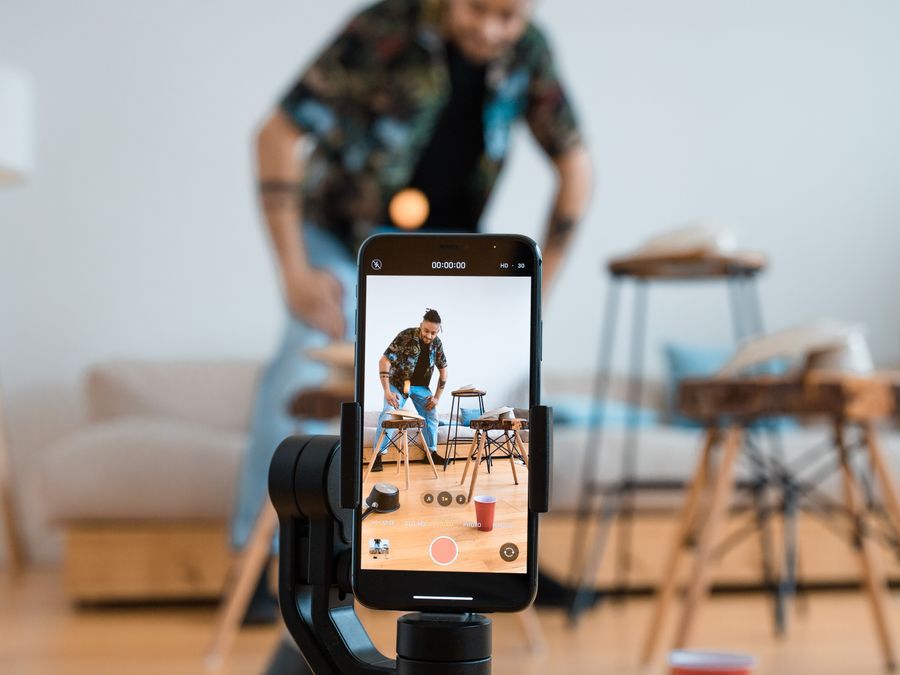
Creating and managing content is central to the Instagram experience, and questions about posts are among the most common help topics.
Preparing Content Before Posting
If you’re working on a post but aren’t ready to share it yet, Instagram lets you save your work. Understanding how saving drafts on Instagram works can save you from losing your carefully crafted content. When you create a post and tap the back arrow before sharing, Instagram offers to save it as a draft. You can find your drafts by starting a new post—they’ll appear at the bottom of the screen.
Making Changes to Published Posts
Sometimes you notice a typo or want to update information after posting. Instagram allows some changes but not others. You can edit captions, add or change location tags, and modify alt text. However, you cannot swap out photos or videos after posting—you’d need to delete and repost for that.
Before making changes, it’s worth reading about editing posts after publishing to understand how edits might affect your engagement and reach.
Understanding Content Removal
If Instagram removes your post, you’ll receive a notification explaining the reason. Common causes include violating Community Guidelines around nudity, violence, hate speech, or intellectual property. If you believe your content was removed by mistake, you can request a review through the notification you received.
Story and Reel Features
Instagram Stories and Reels have their own sets of features and common questions. Stories disappear after 24 hours unless you save them to Highlights. Reels can include music from Instagram’s library, but some tracks may not be available in all regions. If you’re having trouble with audio or features, checking for app updates often resolves the issue.
Archiving Content
Rather than deleting posts, you can archive them. Archived posts are hidden from your profile but saved in a private archive you can access anytime. This gives you flexibility to temporarily remove content while keeping the option to restore it later.
Account Setup and Username Help
Getting your account basics right sets you up for a better experience on Instagram. Here’s what you need to know about setup and profile management.
Creating Your Account
Setting up an Instagram account requires an email address or phone number. You’ll also need to create a username and password. Choose information you’ll remember and have access to—your email or phone number will be essential if you ever need to recover your account.
Choosing and Changing Your Username
Your username is how people find and mention you on Instagram. Tips for choosing your Instagram username include keeping it simple, memorable, and consistent with your usernames on other platforms if possible.
If you want to change your username later, go to Edit Profile and tap on your username field. You can change it as long as the new username isn’t already taken. Keep in mind that changing your username breaks any links people may have shared to your profile using the old name.
Profile Information
Your bio is limited to 150 characters, so make each word count. You can include one clickable link in your bio—many users change this link regularly to promote different content. Your profile picture should be easily recognizable, as it appears small in most places on Instagram.
Switching Account Types
Instagram offers personal, creator, and business accounts. Creator and business accounts provide access to analytics and additional features like contact buttons and categorization. Switching between account types is free and can be done in settings. You can always switch back if you change your mind.
Managing Multiple Accounts
Instagram allows you to add multiple accounts and switch between them without logging out. This is helpful if you have separate accounts for personal and professional use. To add an account, go to your profile settings and look for the option to add another account.
When to Contact Instagram Support Directly
While many problems can be solved using self-help resources, some situations require direct assistance from Instagram’s support team.
Situations Requiring Direct Contact
You should reach out to Instagram directly when you’ve tried self-help options without success, when your account has been hacked and automated recovery isn’t working, when you believe your account was disabled by mistake, or when you’re experiencing issues that aren’t covered in the Help Center.
How to Submit a Support Request
The best way to contact Instagram is through the app itself. Go to Settings, then Help, and tap “Report a Problem.” You can describe your issue and attach screenshots if helpful. Be as specific as possible about what’s happening and what you’ve already tried.
If you can’t access your account, use the “Get help logging in” option on the login screen. This provides alternative ways to verify your identity and recover access.
Setting Realistic Expectations
Instagram receives enormous numbers of support requests, so response times can vary. Straightforward issues like account recovery often get resolved within a few days. More complex situations may take longer. Unfortunately, Instagram doesn’t offer live chat or phone support for most users, so patience is essential.
What to Include in Your Request
When contacting support, include your username, the email address or phone number associated with your account, a clear description of the problem, when the issue started, and what steps you’ve already taken. The more information you provide, the easier it is for support staff to help you.
Keep copies of any confirmation numbers or reference codes you receive. These can be useful if you need to follow up on your request later.
Getting Instagram help doesn’t have to be overwhelming. By knowing where to look for answers, understanding common problems and their solutions, taking steps to secure your account, and knowing when to ask for direct assistance, you can handle most situations that come your way. Whether you’re dealing with a minor question about features or recovering from a major security issue, the resources and approaches outlined in this guide will help you get the assistance you need.