
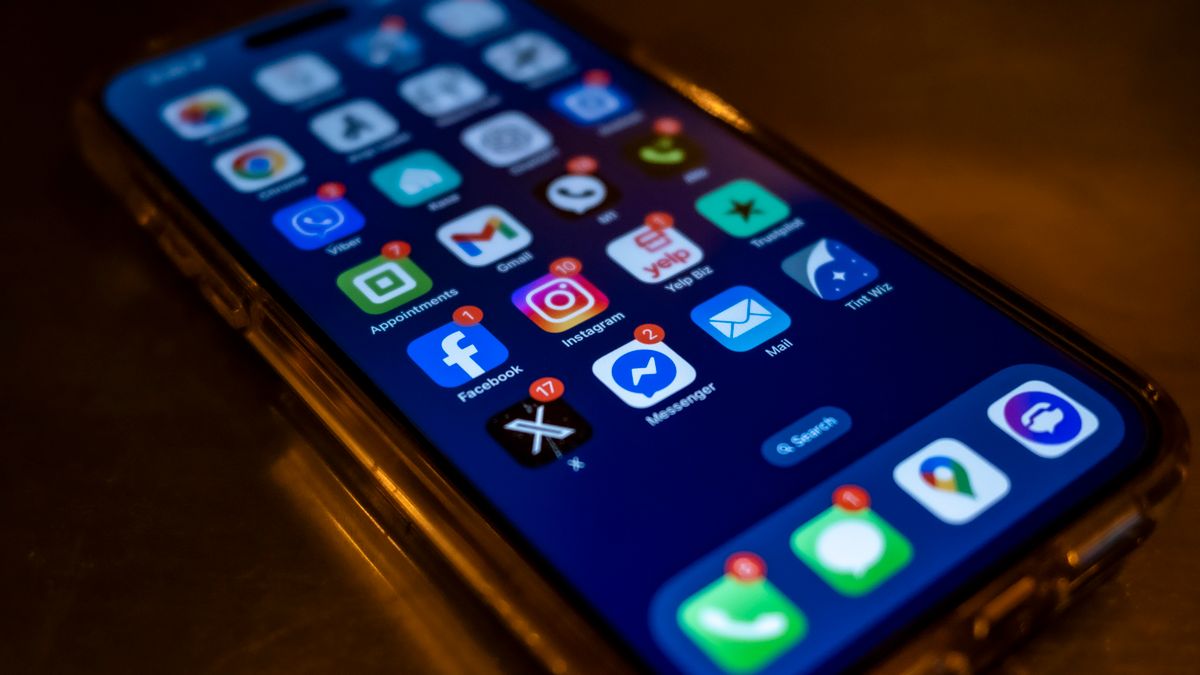

Have you ever taken a screenshot on Instagram and wondered if the other person found out? You’re not alone. Instagram screenshot notifications are one of the most commonly asked questions about the platform, and the answer isn’t as straightforward as you might think.
Whether you want to save a friend’s outfit inspiration, capture a recipe from a food blogger, or create a funny meme with a meme maker, understanding when Instagram does and doesn’t alert users about screenshots matters. The rules have changed over the years, and knowing where you stand can save you from awkward situations or give you peace of mind.
This guide breaks down everything you need to know about Instagram screenshot notifications. You’ll learn exactly which content types trigger alerts, which ones are completely safe to capture, and what options you have for protecting your own content. By the end, you’ll feel confident about your privacy choices on the platform.
Does Instagram Notify When You Take a Screenshot?
The short answer is: it depends on what you’re screenshotting. Instagram only sends screenshot notifications in very specific situations, and most of the content you interact with daily falls outside those situations.
For the vast majority of Instagram content, you can screenshot freely without anyone knowing. Regular posts in your feed, reels, profiles, and even stories from public accounts won’t send any alerts to the original poster. This surprises many people who assume Instagram tracks all screenshot activity.
The platform does notify users about screenshots in one main scenario: when you capture disappearing content in direct messages. This includes photos and videos sent in “view once” or “allow replay” mode, as well as messages shared while vanish mode is active. These features are designed for temporary, private sharing, so Instagram alerts the sender when someone tries to save them.
Think of it this way: public content is fair game for screenshots, but private, temporary content comes with built-in protections. This balance allows Instagram to maintain a sense of openness for general content while offering privacy controls for more personal exchanges.
Understanding these distinctions helps you navigate the platform confidently. You don’t need to worry about screenshotting a beautiful travel photo or saving a helpful infographic, but you should be aware that capturing someone’s disappearing message will let them know.
When Instagram Sends Screenshot Notifications
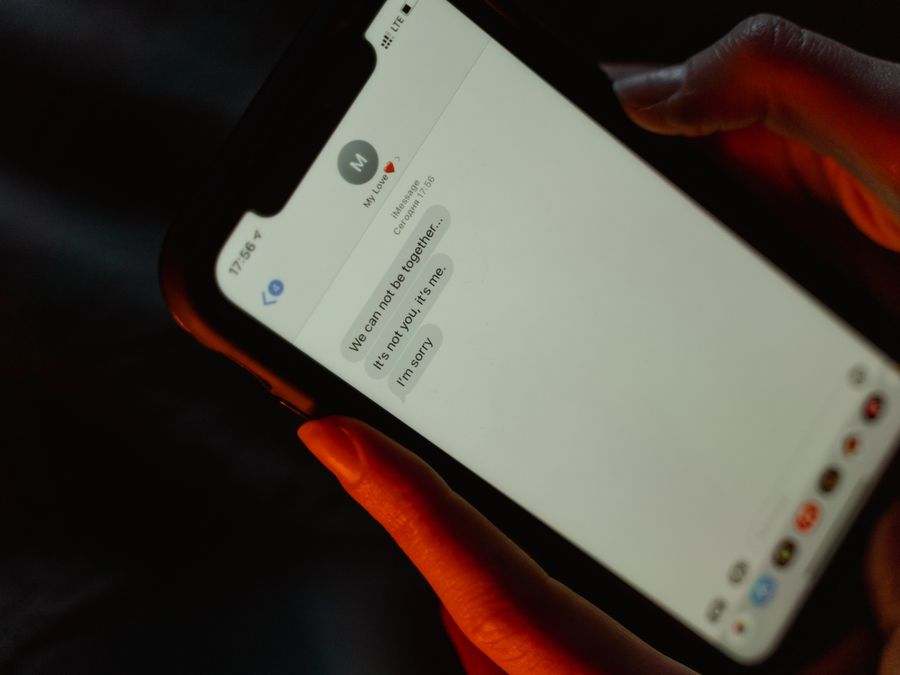
Instagram screenshot notifications only activate for temporary content sent through direct messages. These notifications protect the privacy of users who choose to share content that wasn’t meant to be permanent.
The first trigger is disappearing DMs. When someone sends you a photo or video with the “view once” setting, you can only see it one time before it vanishes. If you screenshot this content, Instagram immediately notifies the sender. The same applies to messages sent with “allow replay” mode, where you can view the content twice before it disappears. Screenshotting disappearing photos or videos in either mode will always alert the other person.
Vanish mode is another feature that triggers screenshot notifications. When you activate vanish mode in a conversation, messages disappear as soon as you close the chat. This creates a more casual, off-the-record conversation style. However, if either person takes a screenshot during vanish mode, Instagram notifies the other participant right away.
These notifications appear as a simple indicator in the chat. The sender sees a small icon or text stating that you captured their content. There’s no way to disable this notification or work around it within the app, and various Instagram AI features help the platform detect when screenshots occur on temporary content.
Why does Instagram only protect these specific content types? The platform recognizes that disappearing messages serve a particular purpose. People use them to share something private, sensitive, or simply fleeting. Alerting them when someone captures that content respects their intention to keep things temporary.
Keep in mind that screen recording also triggers these notifications. Whether you take a static screenshot or record your screen while viewing disappearing content, Instagram treats both actions the same way and alerts the sender.
Content Types That Do Not Trigger Alerts
Now for the good news: most content on Instagram can be screenshotted without sending any notification. This applies to a wide variety of content types that you probably interact with every day.
Regular feed posts are completely safe to screenshot. Whether it’s a photo, carousel, or video post, the person who uploaded it won’t receive any alert if you capture it. This remains true regardless of whether the account is public or private. As long as you can see the post, you can screenshot it freely.
Stories also don’t trigger notifications. Many people assume that because stories disappear after 24 hours, they might be protected like disappearing DMs. However, Instagram doesn’t notify anyone when you screenshot their story. You can save story content without the poster knowing, though they can see that you viewed their story through the normal viewer list.
Reels fall into the same category. These short-form videos are designed for wide distribution and discovery, so screenshotting them sends no alerts. The Instagram algorithm treats reels as highly shareable public content, which aligns with the no-notification policy.
Profile pages, including profile pictures and bios, generate no notifications when captured. If you want to save someone’s contact information or remember their username, feel free to screenshot without concern.
Regular DMs that aren’t sent as disappearing content are also safe. When someone sends you a photo or message in the standard permanent format, they won’t know if you screenshot it. Only the temporary, disappearing formats receive notification protection.
Highlights, which are curated collections of past stories, don’t trigger alerts either. Since the account owner chose to make this content permanently visible, screenshots are fair game.
This extensive list of notification-free content reflects Instagram’s approach to balancing privacy with social sharing. Public and semi-public content remains open for screenshots, while truly private, temporary exchanges get extra protection.
Why Instagram Changed Its Screenshot Policy
Instagram’s approach to screenshot notifications has evolved considerably since the platform launched. Understanding this history helps explain why the current system works the way it does.
Originally, Instagram didn’t have any screenshot notification features. Users could capture anything on the platform without anyone knowing. This aligned with how most social media worked at the time, where screenshotting was seen as a normal part of the online experience.
The landscape shifted when disappearing content became popular. Snapchat pioneered the concept of temporary photos and messages, and its screenshot notifications became a key feature. Users appreciated knowing when someone saved their temporary content, creating accountability around privacy.
Instagram experimented with broader screenshot notifications. For a period, the platform tested notifying users when someone captured their stories. This feature generated significant backlash from users who felt it was intrusive and changed how they used the platform. Digital platforms constantly face this challenge of balancing privacy features with user experience, and Instagram learned that not everyone wanted comprehensive screenshot tracking.
After gathering feedback, Instagram scaled back the feature. The company decided to limit screenshot notifications exclusively to disappearing DM content. This compromise protected the most private interactions while leaving regular content unrestricted.
The current policy reflects user preferences. Most people want to save and share the public content they discover on Instagram, whether that’s inspiration for their own posts, recipes they want to try, or quotes they find meaningful. Notifying users about every screenshot would change the platform’s social dynamic significantly.
By limiting notifications to disappearing content, Instagram acknowledges that users have different expectations for different types of sharing. Public posts are meant to be seen and potentially saved. Disappearing messages are meant to be temporary. The notification system reinforces these distinctions.
Tips for Content Creators on Instagram
If you create and share content on Instagram, you’ve probably thought about how screenshots affect your work. While you can’t prevent people from capturing your posts, you can take steps to protect your content and brand.
Many content creators add watermarks to their images. A small logo or username placed on your photos makes it clear who created the content even when it’s shared elsewhere. Position your watermark where it’s visible but doesn’t distract from the image itself. This won’t stop screenshots, but it ensures your credit travels with your work.
Consider what information you include in your posts. If you’re sharing something truly exclusive or sensitive, think about whether a regular post is the right format. For private communication with close followers or collaborators, disappearing DMs offer screenshot notification protection that regular posts don’t.
Your Instagram content strategy should account for how people interact with different post types. Educational content like tips, recipes, and tutorials often gets screenshotted because users want to reference it later. Designing this content with saving in mind can actually increase its value. Include your username directly in infographics or tip lists so your credit appears naturally.
Building a recognizable visual style helps protect your brand even when content is shared without attribution. When your fonts, colors, and editing style are distinctive, followers and potential followers will recognize your work across the platform.
Engage with your community about respecting creators. Many people don’t realize that reposting without credit can frustrate the original creator. A friendly reminder in your bio or occasional posts can encourage better behavior without being confrontational.
Finally, consider the benefits of screenshots. When someone saves your content, they’re telling you it provided value. Track which posts generate the most saves through Instagram’s built-in analytics. This feedback helps you create more of what your audience wants.
Sharing Content Without Taking Screenshots
While screenshots are convenient, Instagram offers several built-in features for saving and sharing content that might work better for your needs.
The save feature lets you bookmark any post for later. Tap the bookmark icon below a post, and it’s stored in your saved collection. You can organize saved posts into collections by topic, making them easy to find when you need them. Unlike screenshots, saved posts stay connected to the original creator, and you’ll see updates if the post is edited.
Sharing posts directly through Instagram keeps everything within the platform. When you tap the paper airplane icon under a post, you can send it to friends or add it to your story. This method credits the original creator automatically and lets your followers tap through to their profile.
If you want to share someone else’s content to your feed, learning to regram content properly is essential. This involves reposting with clear attribution and, ideally, permission from the original creator. Several methods exist for regramming, and doing it right maintains good relationships within the community.
For content creation, consider using free Instagram photos from stock photo websites instead of screenshotting other creators’ work. These resources provide high-quality images you can use legally without attribution concerns. This approach is especially useful for businesses and brands that need consistent, original-looking content.
Instagram’s built-in download feature allows you to save your own content. Go to your settings to request a download of all your data, including photos and videos you’ve posted. This ensures you always have access to your original files without needing to screenshot your own posts.
Collaborative posts and remixes offer creative ways to share content while crediting collaborators. These features are designed for sharing and building on others’ work within Instagram’s ecosystem.
Understanding Instagram Stories and Highlights
Stories and highlights have their own rules regarding screenshots, and understanding them helps you use these features more effectively.
As mentioned earlier, screenshotting someone’s story does not trigger a notification. The story viewer list shows who watched your story, but it doesn’t indicate whether anyone captured it. This applies to both photos and videos in stories, including stories from private accounts you follow.
If you’re concerned about your story content being captured, remember that stories naturally disappear after 24 hours. Some users feel more comfortable sharing casual or temporary content in stories precisely because it doesn’t stay on their profile forever. The ephemerality is the protection, not screenshot notifications.
Creating Instagram highlights allows you to preserve your best stories indefinitely. These curated collections appear on your profile below your bio. Since you’re choosing to make this content permanent, there’s no expectation of privacy, and no screenshot notifications exist for highlights.
The close friends feature offers a middle ground for more private story sharing. Content posted to your close friends list is only visible to selected followers. While this doesn’t add screenshot notifications, it limits who can view and potentially capture your content in the first place.
Story archives automatically save your stories for your own access. You can revisit archived Instagram posts and stories anytime through your settings, which means you don’t need to screenshot your own content to keep a copy.
Understanding these options helps you share content at the right privacy level. Use regular stories for casual updates you don’t mind being captured, close friends for more personal content, and disappearing DMs when you truly want notification protection.
Creating Screenshot-Worthy Instagram Content
Instead of worrying about people screenshotting your content, consider making it so valuable that screenshots become a compliment. When someone saves your post, they’re saying it provides enough value to keep.
Focus on building a stunning Instagram feed that people want to remember and reference. High-quality images with strong composition and consistent editing attract attention and encourage saving. Your visual style should be recognizable enough that even a screenshot carries your brand identity.
Educational content performs exceptionally well for saves and screenshots. Lists of tips, step-by-step tutorials, and informative infographics give followers something to reference later. When creating educational posts, make them comprehensive enough to be useful on their own. Include your username visually so any saved version credits your work.
Inspirational quotes and motivational content also generate many saves. Pair meaningful text with attractive visuals that match your brand. Followers often screenshot quotes to share in their own stories or save for personal motivation.
Applying content marketing fundamentals helps you create shareable content consistently. Understanding what your audience needs, providing genuine value, and maintaining quality standards all contribute to content that people want to keep.
Using Instagram hashtags for growth helps more people discover your screenshot-worthy content. When the right audience finds your posts, saves and shares naturally follow. Strategic hashtag use expands your reach to people who will appreciate and engage with your work.
Think about creating content specifically designed for saving. Checklists, resource lists, recipes, and how-to guides invite screenshots by their nature. Leaning into this format acknowledges how people actually use Instagram and turns their behavior into a positive metric.
Track your save rate through Instagram insights. Posts with high save rates are providing value worth keeping. Analyze what those posts have in common and create more content in that style.
Protecting Your Privacy from Unwanted Attention
While Instagram screenshot notifications are limited, you have other privacy options to consider if you’re concerned about unwanted attention or content misuse.
Setting your account to private limits who can see your content. Only approved followers can view your posts, stories, and reels. While this doesn’t prevent those followers from screenshotting, it dramatically reduces your content’s exposure to strangers.
Regularly review your follower list for unfamiliar accounts. Recognizing Instagram bots and fake accounts helps you maintain a follower list of real people who genuinely want to see your content. Removing suspicious followers limits potential misuse of your posts.
The restrict feature lets you limit interactions with specific accounts without blocking them completely. Restricted accounts can still view your content, but their comments are hidden from others, and they can’t see when you’re active. This helps manage problematic followers while avoiding direct confrontation.
Blocking accounts removes them from your followers entirely and prevents them from viewing any of your content. Use this option when someone makes you uncomfortable or violates your boundaries.
For direct messages, consider using disappearing photos and videos when sharing sensitive content with people you trust. The screenshot notifications provide accountability that regular messages don’t offer.
Being thoughtful about what you post remains your strongest privacy tool. Consider whether each piece of content is something you’d be comfortable with anyone seeing, saving, or sharing. Posting with that awareness helps you avoid regrets later.
Instagram screenshot notifications serve a specific purpose within the platform’s broader privacy framework. Understanding when they apply, and when they don’t, empowers you to share confidently while respecting others’ expectations around temporary content. Whether you’re capturing content for inspiration or creating posts you hope others will save, knowing these rules helps you get the most from your Instagram experience.