




Every time you scroll through your social feed, post a photo, or click on an ad, you leave behind a trail of information. For both users and marketers, understanding online privacy in social media marketing has become essential. The way personal data flows through these platforms affects everyone, from individual users to brands trying to connect with their audiences.
Social media has changed how we communicate, shop, and discover new ideas. But this convenience comes with trade-offs. Platforms collect vast amounts of data to serve personalized content and targeted ads. While this can create more relevant experiences, it also raises important questions about who has access to your information and how it gets used.
This guide walks you through what social platforms actually know about you, why privacy matters for everyone involved, and practical steps you can take to protect yourself. Whether you are a marketer looking to build trust with your audience or a user wanting more control over your data, understanding these concepts will help you navigate social media more safely.
What Social Media Platforms Know About You

When you sign up for a social media account, you share obvious details like your name, email, and birthday. But the data collection goes far beyond what you knowingly provide. Platforms track your behavior, preferences, and habits in ways that many users do not fully realize.
Every like, comment, and share tells the platform something about your interests. The posts you linger on, the profiles you visit, and the links you click all contribute to a detailed picture of who you are. This information helps platforms show you content that keeps you engaged, but it also builds a profile that advertisers can target.
Location data adds another layer. Many apps track where you are, where you have been, and how often you visit certain places. This can reveal your daily routine, favorite stores, and even your home and work addresses. Combined with other data points, location tracking creates a surprisingly detailed map of your life.
Platforms also use cross device tracking to follow you across your phone, tablet, laptop, and other devices. This means the video you watched on your phone might influence the ads you see on your computer later. The goal is to create a seamless profile that works across all your devices, giving platforms and advertisers a complete view of your online activity.
Your contacts and connections reveal information too. When you upload your contact list or connect with friends, platforms learn about your social network. They can use this data to suggest new connections, but it also maps out your relationships and social circles.
Understanding social media’s influence on modern society includes recognizing how deeply data collection has woven itself into our daily lives. The information these platforms gather goes far beyond simple demographics. It touches on your interests, relationships, movements, and behaviors in ways that shape your online experience.
Why Privacy Matters for Marketers and Users
Privacy is not just a concern for individual users. It affects marketers and businesses too. When people feel their data is being misused, they lose trust in the platforms and the brands that advertise on them. This makes online privacy in social media marketing a key issue for anyone trying to build lasting relationships with their audience.
For users, privacy means having control over personal information. It means knowing what data gets collected, who sees it, and how it gets used. When this control is missing, people can feel exposed or manipulated. They may pull back from social platforms altogether, limiting their engagement and reducing the reach of marketing efforts.
Marketers who respect privacy often see better results over time. Audiences appreciate transparency and are more likely to engage with brands that treat their data responsibly. Building trust takes effort, but it pays off through stronger customer loyalty and more genuine connections.
Adapting digital marketing strategies to respect privacy is not just about following rules. It reflects a genuine commitment to treating customers fairly. When brands are upfront about data practices, they stand out in a crowded marketplace where many consumers feel wary of being tracked.
Certain groups need extra protection. The issue of children’s data on social media highlights how vulnerable users can face greater risks. Minors may not understand the long-term consequences of sharing personal information, making it crucial for parents, platforms, and marketers to prioritize their safety.
When privacy is built into marketing practices from the start, everyone benefits. Users feel safer, marketers build stronger relationships, and platforms maintain the trust they need to thrive. Thinking about privacy as a foundation rather than an afterthought leads to better outcomes for all involved.
The Hidden Costs of Data Collection
Data collection might seem harmless on the surface. After all, personalized ads can introduce you to products you actually want. But when platforms know too much, the consequences can reach far beyond targeted advertising.
One hidden cost is manipulation. When algorithms understand your preferences deeply, they can serve content designed to trigger emotional responses. This can lead to filter bubbles where you only see information that confirms your existing beliefs, or to content that keeps you scrolling even when you want to stop.
The connection between data collection and addictive design patterns on social platforms is worth considering. Platforms use the information they gather to optimize engagement, sometimes at the expense of user wellbeing. Features like infinite scroll, notifications, and personalized feeds are all informed by data about what keeps users hooked.
Targeted exploitation is another risk. Scammers and bad actors can use personal information to craft convincing phishing attempts or to manipulate vulnerable individuals. The more data that exists about you, the easier it becomes for someone to impersonate a trusted contact or tailor a scam to your specific interests.
Trust erosion affects society as a whole. When people discover how much data platforms collect, they often feel betrayed. This damages the relationship between users and the services they rely on, making people more skeptical of online interactions in general.
There are also risks that come from data breaches. Even if a platform uses your data responsibly, a security incident can expose personal information to hackers. The more data a company stores, the more attractive it becomes as a target. Once your information is out there, it can be difficult or impossible to take back.
Practical Privacy Tools to Use Today

Taking control of your privacy does not require advanced technical skills. Several straightforward tools can help you protect your accounts and personal information while still enjoying social media.
Two-Factor Authentication
One of the most effective steps you can take is enabling two-factor authentication on all your accounts. This adds an extra layer of security beyond your password. Even if someone learns your password, they cannot access your account without a second verification code.
Apps like Google Authenticator generate time-sensitive codes that you enter when logging in. This method is more secure than receiving codes via text message, which can be intercepted. Setting up an authenticator app takes just a few minutes and dramatically improves your account security.
Password Managers
Reusing passwords across multiple accounts is risky. If one site gets breached, hackers can try that same password on your other accounts. A password manager solves this problem by generating and storing unique, strong passwords for every site you use.
Bitwarden is a popular option that offers both free and paid plans. It encrypts your passwords so that only you can access them, and it works across multiple devices. With a password manager, you only need to remember one master password while all your other credentials stay secure.
Virtual Private Networks
A VPN encrypts your internet connection, making it harder for others to monitor your online activity. This is especially useful when using public Wi-Fi networks, where your data might otherwise be exposed to anyone on the same network.
VPNs can also help prevent some tracking by masking your IP address. While they do not make you completely anonymous, they add a meaningful layer of privacy to your browsing. For more details on how VPNs work with different browsers, this information source provides helpful background.
Regular Account Audits
Taking time to review your connected apps and account permissions is another practical step. Over the years, you may have granted access to various third-party apps that no longer serve a purpose. Revoking these permissions limits how much of your data third parties can access.
Thinking about protecting your social media data includes having backups and knowing how to recover your accounts if something goes wrong. Regular audits help you stay on top of your security and catch potential issues before they become problems.
Platform Privacy Settings Worth Checking
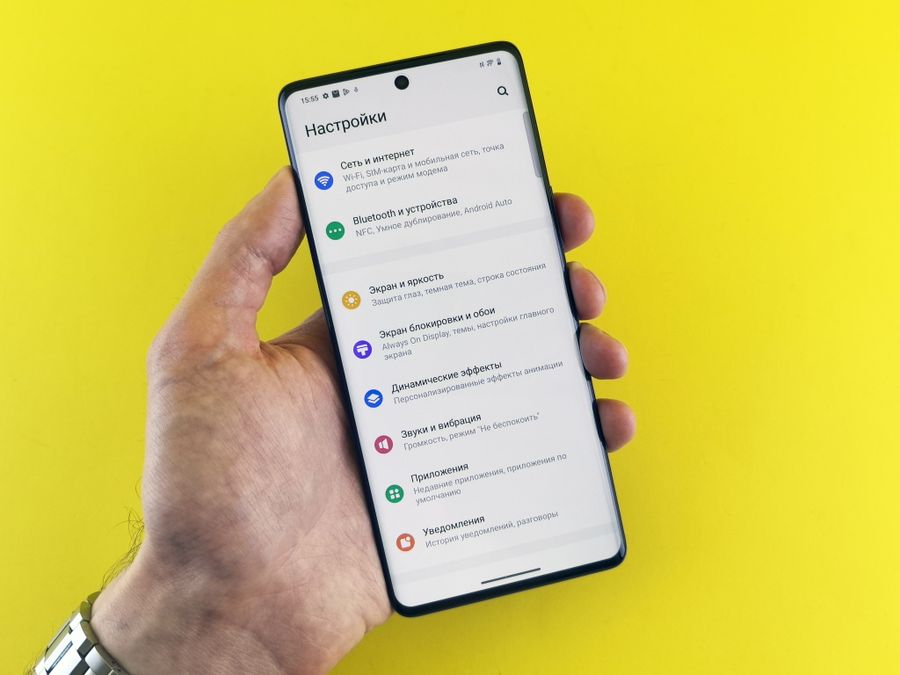
Every major social platform offers privacy settings that let you control who sees your content and how your data gets used. Taking a few minutes to review these settings can significantly reduce your exposure.
Facebook and Instagram
On Facebook and Instagram, start by reviewing who can see your posts. You can choose between public, friends only, or custom audiences. Setting your default to friends only keeps your posts out of search engines and away from strangers.
The Meta security center provides official resources for reviewing your account security on both Facebook and Instagram. Here you can check login activity, set up two-factor authentication, and review apps that have access to your account.
Both platforms also let you limit ad targeting. You can turn off ads based on your activity on other websites and apps. While this will not eliminate ads entirely, it reduces how precisely advertisers can target you.
Twitter and X
On Twitter, you can protect your tweets so that only approved followers can see them. You can also prevent others from finding you by your email or phone number, and you can limit who can send you direct messages.
Review your data sharing settings to control how Twitter personalizes ads and content based on your activity. Turning off some of these options gives you more privacy while still letting you use the platform.
TikTok
TikTok offers privacy settings that let you make your account private, control who can comment on your videos, and manage who can download your content. Given how quickly videos can spread on this platform, checking these settings is especially important.
The way AI-powered social media tools interact with your data makes privacy settings even more relevant. Algorithms use your activity to personalize recommendations, so adjusting your settings can influence what the platform learns about you.
LinkedIn users should review visibility settings to control who can see their profile, connections, and activity. You can also manage how LinkedIn uses your data for advertising and whether your profile appears in search engine results.
The key with any platform is to explore the settings menu thoroughly. Privacy options are often tucked away in submenus that are easy to overlook. Setting aside time to go through each option gives you a clearer picture of what you are sharing.
Privacy-Focused Alternatives to Explore

If you want more privacy than mainstream platforms offer, several alternatives prioritize user data protection from the ground up.
Encrypted Messaging
Standard social media messaging often lacks strong encryption. This means the platform itself can read your messages, even if no one else can. Switching to encrypted messaging apps keeps your conversations private from everyone, including the service provider.
Signal is a popular choice that uses end-to-end encryption by default. Only you and the person you are messaging can read the content. The app is free, open source, and does not collect personal data for advertising.
Exploring privacy-focused platforms like Telegram offers another option. Telegram provides encrypted messaging along with features like channels and groups, making it useful for community building while offering more privacy than traditional social networks.
Disappearing Messages
Some platforms let messages disappear after a set time. This reduces the amount of data stored about your conversations and limits what could be exposed in a breach.
Ephemeral messaging apps built this concept into their core design. While disappearing messages are not foolproof, they add another layer of privacy by limiting how long your content exists on servers and devices.
Decentralized Social Networks
Decentralized platforms like Mastodon take a different approach to social networking. Instead of one company controlling everything, these networks run on multiple independent servers. This structure makes it harder for any single entity to collect massive amounts of user data.
The trade-off is that decentralized platforms often have smaller user bases and less polished interfaces. But for users who prioritize privacy, the benefits can outweigh these drawbacks.
Privacy-Focused Browsers and Search Engines
While not social platforms themselves, using privacy-focused browsers and search engines complements your social media privacy efforts. These tools reduce tracking and data collection across your entire online experience, limiting what advertisers can learn about you.
Building Trust Through Transparent Marketing
For marketers, online privacy in social media marketing is more than a compliance issue. It is an opportunity to build genuine trust with your audience. When people believe you respect their privacy, they are more likely to engage with your content and support your brand.
Transparency starts with clear communication. Tell your audience what data you collect and why. Explain how you use information and give people meaningful choices about what they share. Avoid vague language that hides what is really happening behind the scenes.
Collecting only what you need is another important principle. If you do not have a specific use for a piece of data, do not ask for it. This minimizes risk for both you and your customers while demonstrating that you take privacy seriously.
Respecting user choices matters too. When someone opts out of tracking or asks to have their data deleted, honor that request promptly. Making it difficult for users to exercise their rights damages trust and can violate privacy regulations.
Being proactive about security shows that you value the data people share with you. Use strong encryption, keep your systems updated, and have a clear plan for responding to potential breaches. People are more forgiving of problems when they see that a company takes security seriously.
Finally, lead by example in your industry. Share your privacy practices publicly and encourage others to follow similar standards. When more businesses prioritize privacy, the entire ecosystem becomes safer for everyone.
The brands that thrive in the long run will be those that treat privacy as a core value rather than a burden. As users become more aware of data practices, they will increasingly reward companies that earn their trust through transparent, respectful behavior.