

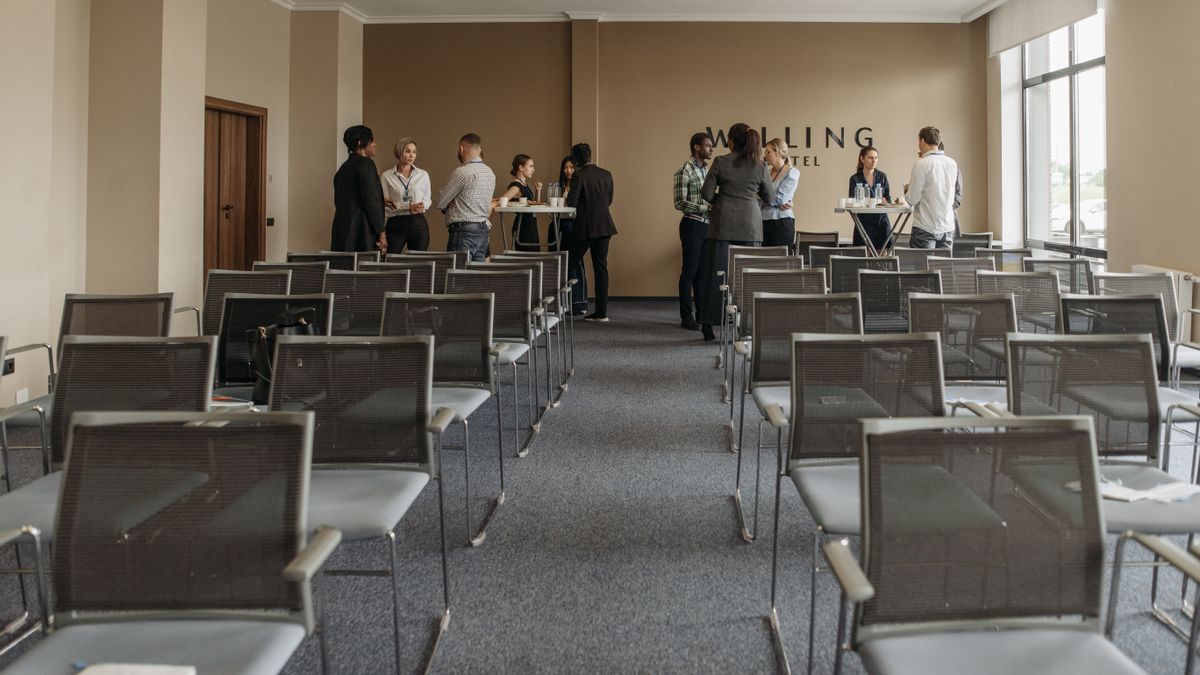

If you manage a hotel, you know that filling rooms consistently can be challenging. One of the most profitable ways to boost occupancy is through group bookings—think wedding parties, corporate retreats, sports teams, and conference attendees. But how do you reach the event planners and organizers who make these booking decisions?
Instagram room block marketing is becoming a powerful strategy for hotels that want to attract group events. With its visual format and massive user base, Instagram gives hotels a direct line to event planners who are actively searching for venues. In this guide, we’ll walk through practical strategies you can use to fill your room blocks through smart Instagram marketing.
Whether you’re new to social media marketing or looking to improve your current approach, you’ll find actionable ideas here. Let’s explore how hotels are using Instagram to connect with event planners and drive group bookings.
What Is a Room Block and Why It Matters for Hotels
A room block is a set number of hotel rooms reserved for a specific group or event. When a wedding planner books 30 rooms for guests, or a company reserves 50 rooms for a conference, those reservations form a room block. The hotel holds these rooms at a negotiated rate until a certain date, giving group members time to book their accommodations.
Understanding room block management is essential for any hotel that wants to maximize revenue from group events. When done well, room blocks provide predictable income and higher occupancy rates. They also often lead to additional spending on catering, meeting spaces, and other hotel services.
Room blocks matter because they represent guaranteed business. Instead of hoping individual travelers book rooms one at a time, you’re securing dozens or even hundreds of reservations in a single agreement. This stability helps with staffing, inventory management, and revenue forecasting.
However, filling room blocks can be competitive. Event planners have many options, and they’re often looking for hotels that stand out. This is where effective marketing comes in. By promoting your property to the right audience, you can attract more group booking inquiries and fill your room blocks more consistently.
Many hotels focus their marketing efforts on traditional channels like trade shows and email campaigns. While these methods still work, Instagram offers a fresh opportunity to reach event planners where they’re already spending time—scrolling through visual content on their phones.
Why Instagram Works for Room Block Marketing
Instagram is built around visual storytelling, which makes it ideal for hotels. You can showcase your property’s best features—beautiful lobbies, comfortable rooms, meeting spaces, and event venues—in a way that captures attention quickly. Event planners often browse Instagram for inspiration and ideas, making it a natural place to promote your hotel.
The platform also allows for direct communication. Unlike traditional advertising, Instagram lets you engage in two-way conversations with potential clients. You can respond to comments, answer questions through direct messages, and build relationships with event planners over time.
One important consideration is ensuring your engagement is genuine. Understanding real versus fake Instagram traffic helps you focus on building an audience that can actually become paying customers. Authentic followers who engage with your content are far more valuable than inflated numbers that don’t translate to bookings.
Instagram also offers powerful targeting options through its advertising features. You can reach users based on their interests, job titles, and behaviors—allowing you to put your hotel in front of event planners and corporate travel managers specifically. This precision makes your marketing dollars work harder.
Another advantage is the platform’s search and discovery features. When event planners search for venue inspiration using hashtags or location tags, your hotel can appear in their results. This organic visibility can bring qualified leads to your profile without any advertising spend at all.
Building Your Hotel’s Instagram Presence for Group Bookings
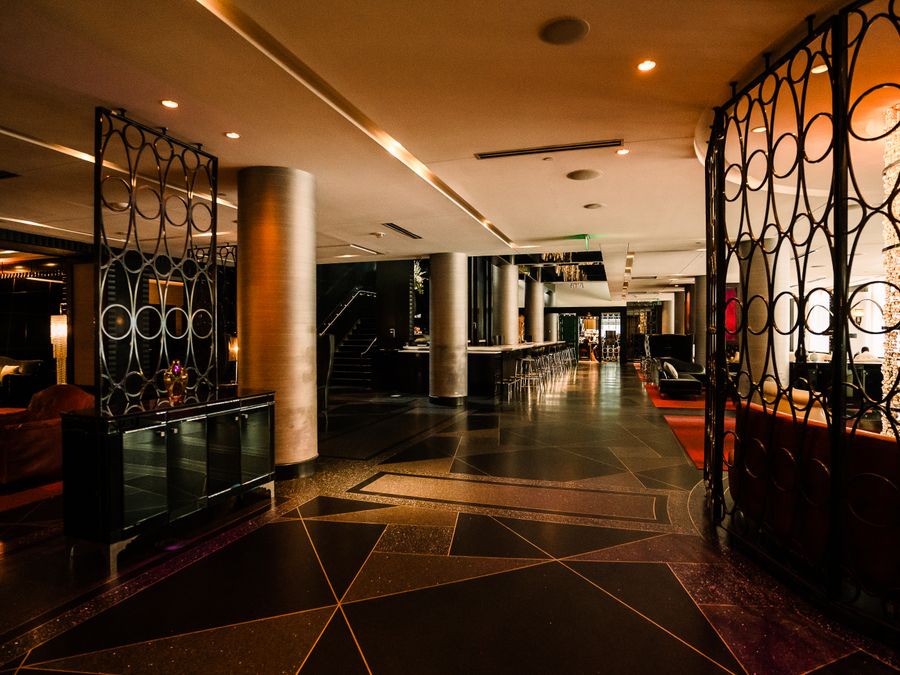
Before you can attract event planners on Instagram, you need a profile that speaks to their needs. Your Instagram presence should clearly communicate that your hotel is equipped for group events and eager to work with planners.
Start with your bio. In just a few words, explain what makes your hotel a great choice for events. Mention your location, key amenities, and any specialties like wedding packages or corporate retreat facilities. Include a link to your group booking inquiry page so interested planners can easily take the next step.
Your profile picture should be recognizable and professional. Most hotels use their logo, but you might also consider a stunning photo of your property that immediately conveys quality and style.
Consider using tools to boost Instagram growth to expand your reach more efficiently. These tools can help you identify potential followers, schedule content at optimal times, and track what’s working in your strategy.
Your content grid—the collection of posts visitors see when they visit your profile—should tell a cohesive story. Include a mix of room photos, event space shots, behind-the-scenes glimpses of events in progress, and testimonials from happy clients. This variety shows event planners what it’s like to work with your hotel.
Don’t forget about discoverability beyond Instagram itself. Using AI-powered SEO for Instagram visibility can help your profile and content appear when event planners search online for venues in your area. The more findable you are, the more opportunities you’ll have to connect with potential clients.
Instagram Stories and Highlights are valuable tools for hotels. Use Stories to share timely updates, event recaps, and quick tours of your facilities. Save the best ones to Highlights organized by theme—like “Weddings,” “Corporate Events,” or “Amenities”—so visitors can easily explore what interests them most.
Content Ideas That Attract Event Planners
Creating content that resonates with event planners requires thinking about their specific needs and pain points. They’re looking for venues that will make their jobs easier and their events more successful. Your Instagram content should address these concerns directly.
Start by showcasing your event spaces in action. Photos and videos of actual events—with permission, of course—demonstrate that your hotel can deliver on its promises. Show beautifully set ballrooms, productive meeting spaces, and happy guests enjoying your facilities.
Behind-the-scenes content performs well because it builds trust. Show your team setting up for an event, preparing food in the kitchen, or arranging flowers in the lobby. This transparency helps event planners feel confident that your staff is professional and attentive to details.
Resources from publications like Meetings Today can help you understand what event planners are currently looking for in venues. Use these insights to create content that addresses trending topics and common concerns in the events industry.
Testimonials and case studies make powerful posts. Share quotes from satisfied event planners alongside photos from their events. These social proof elements show potential clients that others have had positive experiences working with your hotel.
Consider running Instagram contests to generate engagement and attract new followers. You might offer a discount on room block rates, a free planning consultation, or an upgrade package as prizes. Contests encourage sharing and can significantly expand your reach among event planning professionals.
Educational content positions your hotel as a helpful resource. Create posts with tips for planning successful events, checklists for choosing the right venue, or insights about your local area that would help out-of-town guests. When event planners see you as knowledgeable and helpful, they’re more likely to reach out when they have a group booking need.
User-generated content from past events adds authenticity to your feed. Encourage guests to tag your hotel in their posts, and reshare the best ones with credit. This content shows real people having real experiences at your property.
Using Instagram Outreach to Reach Event Planners
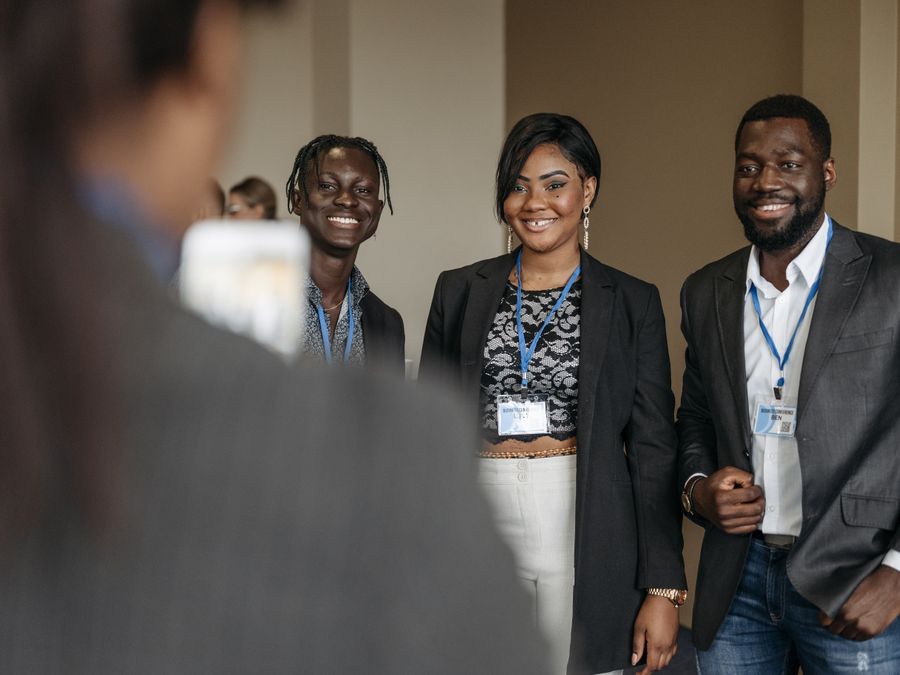
While posting great content is important, proactive outreach can accelerate your results. Instagram makes it easy to find and connect with event planners, corporate travel managers, and others who might need room blocks.
Start by identifying accounts that belong to your target audience. Search for event planning companies in your area, corporate travel departments, wedding planners, and sports event organizers. Follow their accounts and engage genuinely with their content by leaving thoughtful comments and likes.
Understanding Instagram outreach for lead generation can help you develop a systematic approach to connecting with potential clients. This includes finding the right contacts, crafting personalized messages, and tracking your outreach efforts over time.
When reaching out through direct messages, keep your approach friendly and helpful rather than pushy. Introduce yourself, mention something specific you noticed about their work, and briefly explain how your hotel might be a good fit for their needs. Offer to send more information or schedule a call if they’re interested.
Be aware of Instagram follow limits when scaling your outreach efforts. The platform has restrictions on how many accounts you can follow in a given period, so pace your activities to avoid having your account flagged or restricted.
Organizations like GBTA provide insights into what corporate travel managers need and expect from hotels. Understanding their priorities—such as value, convenience, and reliable service—helps you craft outreach messages that resonate with this important audience segment.
Hashtag research is another valuable outreach technique. Find the hashtags that event planners in your target markets use, and engage with posts under those hashtags. This puts your hotel in front of people who are actively discussing event planning topics.
Converting Instagram Followers Into Room Block Bookings
Growing your Instagram following is just the first step. The real goal is turning those followers into paying customers who book room blocks at your hotel. This requires a clear path from social media engagement to actual reservations.
Your Instagram profile should make it easy for interested event planners to take the next step. Use the link in your bio strategically—consider a link tree or landing page that offers multiple options, like requesting a proposal, scheduling a tour, or downloading an event planning guide.
Creating Instagram landing pages that convert is essential for capturing leads from your social media efforts. These pages should be designed specifically for Instagram traffic, with clear messaging about your group booking capabilities and simple forms for collecting contact information.
Calls to action in your posts should guide followers toward conversion. End captions with invitations like “DM us to learn about group rates” or “Tap the link in bio for our event planning toolkit.” Make it obvious what you want people to do next.
Instagram’s direct messaging features are powerful for nurturing leads. When someone expresses interest in your hotel, follow up promptly with personalized information. Ask questions to understand their needs, share relevant photos and details, and make it easy for them to move forward with a booking inquiry.
Consider using AI-driven customer acquisition on Instagram to automate parts of your follow-up process. These tools can help you respond to initial inquiries quickly, qualify leads based on their needs, and ensure no potential customer falls through the cracks.
Special offers exclusive to your Instagram followers can encourage bookings. Promote limited-time discounts on room block rates, complimentary upgrades for groups that book through Instagram, or bonus amenities like free meeting room rental. These incentives give event planners a reason to choose your hotel over competitors.
Retargeting ads allow you to reach people who have already visited your website or engaged with your Instagram content. These warm audiences are more likely to convert than cold prospects, so retargeting can be an efficient use of your advertising budget.
Targeting Sports Events and Corporate Travel Markets
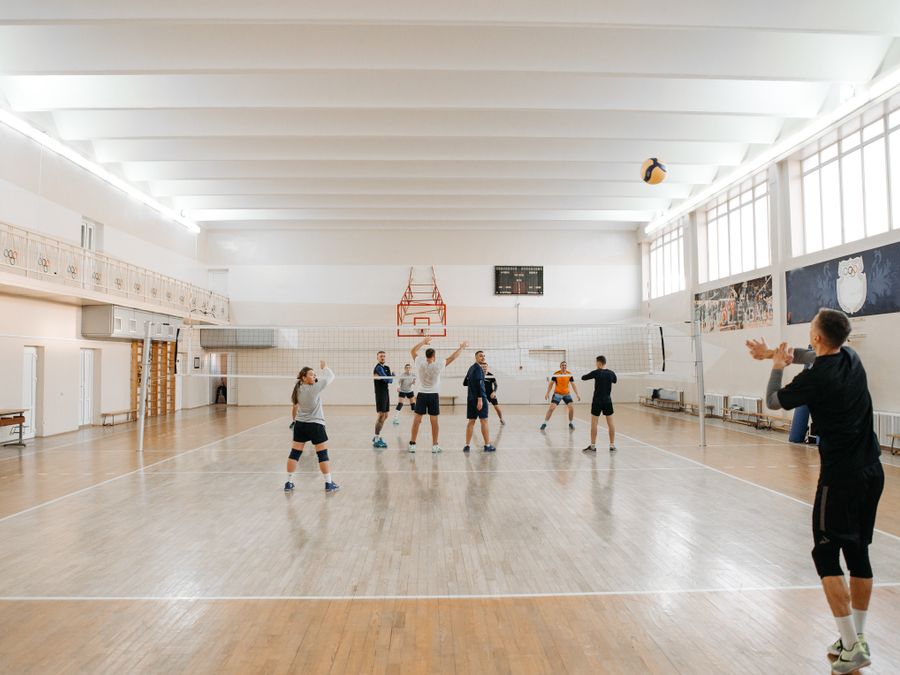
Two of the most lucrative segments for room block bookings are sports events and corporate travel. Each has specific needs that your Instagram marketing can address.
Sports events—from youth tournaments to professional competitions—bring large groups of athletes, coaches, families, and fans who all need accommodations. Organizations like Sports ETA provide valuable information about sports event tourism trends and the needs of event organizers in this space.
When marketing to sports event planners, emphasize your proximity to sports facilities, your ability to accommodate team-specific needs like early breakfast times or equipment storage, and any fitness amenities your hotel offers. Show photos of teams that have stayed with you, and highlight testimonials from coaches or tournament organizers.
Publications like SportsTravel can help you stay current on trends in sports travel and understand what event organizers are looking for in host hotels. Use these insights to create content that speaks directly to this audience.
Corporate travel is another major source of room block business. Companies regularly need accommodations for conferences, training sessions, team-building retreats, and client meetings. Your Instagram content for this audience should showcase professional meeting spaces, business amenities like high-speed internet and workspaces, and catering capabilities.
Corporate travel managers often have strict requirements around pricing, contracts, and amenities. Content that demonstrates your hotel’s professionalism, flexibility, and understanding of corporate needs can set you apart from competitors who focus only on leisure travelers.
Measuring Your Room Block Marketing Results on Instagram
To improve your Instagram room block marketing over time, you need to track what’s working and what isn’t. Instagram’s built-in analytics provide valuable data about your content performance and audience engagement.
Start by monitoring follower growth. Are you attracting new followers consistently? More importantly, are those new followers in your target audience—event planners, corporate travel managers, and group organizers? Quality matters more than quantity when it comes to followers who might actually book room blocks.
Engagement rates tell you how well your content resonates with your audience. Track likes, comments, saves, and shares for each post. Look for patterns in what types of content perform best, and create more of what your audience responds to.
Website clicks from your Instagram profile are a key conversion metric. How many people are tapping the link in your bio? Of those, how many are filling out inquiry forms or requesting information about group bookings? These numbers show whether your Instagram presence is actually driving business results.
Track direct messages related to group bookings. Count how many inquiries you receive through Instagram each month, and follow up to see how many convert to actual reservations. This helps you calculate the return on your Instagram marketing investment.
Compare your Instagram-sourced leads to those from other channels. You might find that Instagram leads have higher conversion rates, shorter sales cycles, or larger average booking sizes. These insights can help you allocate your marketing resources more effectively.
Review your analytics regularly—weekly or monthly—and adjust your strategy based on what you learn. Instagram marketing is not a set-it-and-forget-it activity. The hotels that see the best results are those that continuously test, measure, and refine their approach.
Instagram room block marketing offers hotels a powerful way to connect with event planners and fill group bookings. By building a strong profile, creating compelling content, reaching out proactively, and guiding followers toward conversion, you can turn Instagram into a reliable source of group business. Start implementing these strategies today, and watch your room block bookings grow.