




Video has become the most powerful way for brands and creators to connect with their audiences. But producing high-quality videos used to take a lot of time, expensive equipment, and specialized skills. That’s changing fast thanks to new technology.
AI video creation is transforming how content gets made. Whether you’re a small business owner, a social media creator, or part of a larger marketing team, these tools can help you produce more videos in less time. You don’t need to be a professional editor or have a big budget to create content that looks polished and professional.
In this article, we’ll explore ten practical ways that AI is revolutionizing video creation. From automated editing to text-to-video conversion, you’ll learn how these tools work and how you can use them to improve your own content workflow. Let’s dive into what’s possible today.
What AI Video Creation Means for Brands and Creators
AI video creation refers to using artificial intelligence tools to help produce, edit, or enhance video content. Instead of doing everything manually, you can let software handle many of the time-consuming tasks involved in making videos.
For brands, this means faster turnaround times on marketing content. A company that once needed a full production team to create promotional videos can now use AI tools to handle much of the work. This doesn’t replace creativity or strategy, but it removes many of the technical barriers that slow down production.
For individual creators, AI video creation opens up possibilities that weren’t available before. You can produce more content without burning out, experiment with different styles, and maintain a consistent posting schedule. The technology handles the heavy lifting while you focus on your ideas and message.
What makes this shift so significant is accessibility. You don’t need years of editing experience or expensive software subscriptions to get started. Many AI video tools offer intuitive interfaces that anyone can learn quickly. This democratization of video production means that good ideas can reach audiences regardless of technical skill level.
Automated Editing Saves Hours of Work
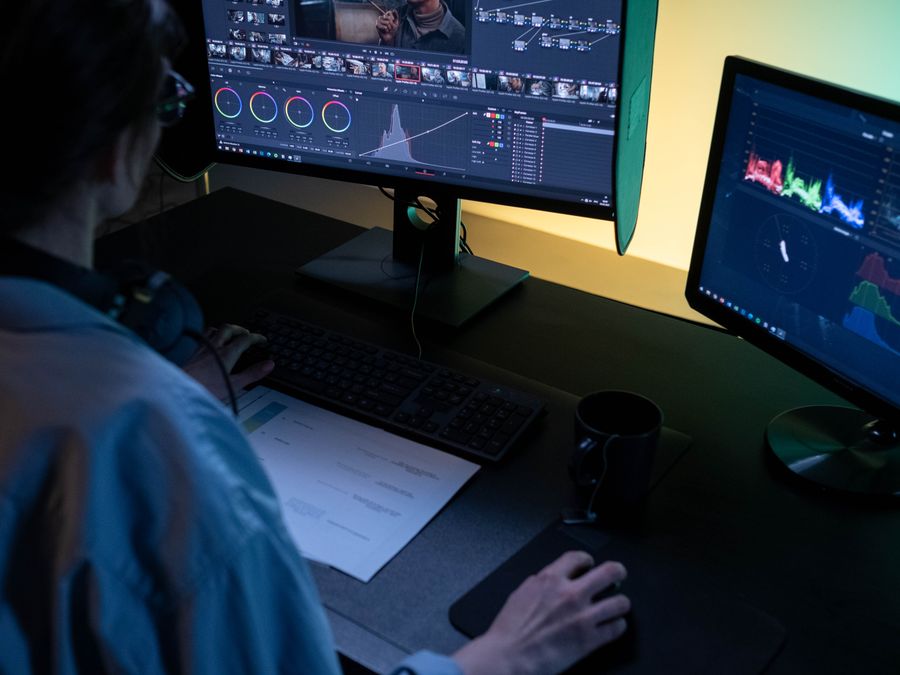
One of the most immediate benefits of AI in video production is automated editing. If you’ve ever spent hours cutting clips, removing awkward pauses, or organizing footage, you know how tedious this process can be. AI tools can now handle much of this work automatically.
Modern AI editing software can analyze your raw footage and make intelligent decisions about what to keep and what to cut. It recognizes patterns in speech, identifies the best takes, and removes filler words or long silences. This means you can record naturally without worrying about perfect delivery, knowing the AI will clean things up afterward.
Tools like Descript simplify editing through transcription-based workflows. Instead of scrubbing through a timeline, you can edit your video by editing the text transcript. Delete a sentence from the transcript, and the corresponding video clip gets removed automatically. This approach makes editing feel more like word processing than traditional video work.
For creators who regularly produce content, understanding the basics of trimming and editing videos helps you work more effectively with AI tools. You’ll know when to trust the automated suggestions and when to make manual adjustments.
The time savings add up quickly. What used to take several hours can often be completed in minutes. This frees you to focus on content strategy, filming new material, or engaging with your audience instead of getting stuck in post-production.
Text-to-Video Turns Scripts Into Content
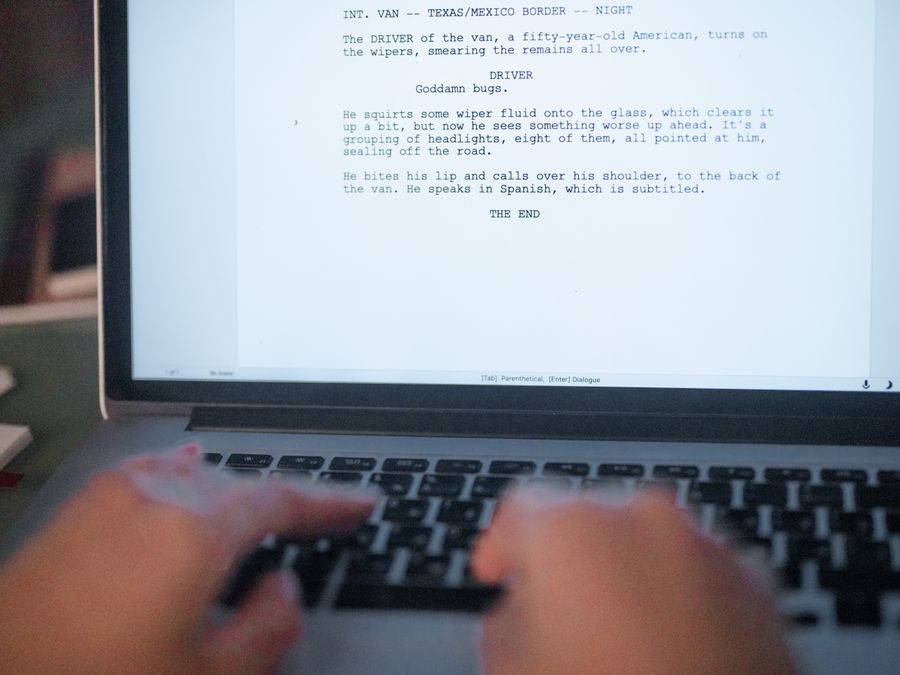
Imagine writing a script and having a complete video appear without filming anything. That’s what text-to-video technology offers. You provide the words, and AI generates visuals to match.
These tools work by analyzing your text and selecting or generating appropriate imagery, animations, and transitions. Some platforms use stock footage libraries, while others create entirely new visuals using generative AI. The result is a finished video that you can use for social media, presentations, or marketing campaigns.
Tools like AI text to video generators make this process straightforward for creators who want to experiment with video content. You simply input your script, choose a style or template, and let the AI assemble the video. The technology handles pacing, visual selection, and even basic animation.
This approach is particularly useful for creators who are comfortable writing but less experienced with video production. Bloggers can turn articles into videos. Marketers can create quick explainer content. Educators can develop visual lessons without filming themselves.
When exploring your options, consider checking out various AI video generator tools to find one that fits your specific needs. Different platforms excel at different types of content, so it’s worth testing a few.
The quality of text-to-video output has improved dramatically. While it may not match a professionally produced video, it’s often good enough for social media or internal communications. And for many creators, “good enough quickly” beats “perfect eventually.”
AI Voiceovers Add Professional Narration
Not everyone is comfortable recording their own voice. And even if you are, doing voiceovers takes time and often requires multiple takes. AI voiceover technology offers an alternative that’s getting surprisingly good.
Modern AI voices sound natural and can convey different tones and emotions. You can choose from dozens of voice options, adjust speaking speed, and even add pauses or emphasis to specific words. The technology uses sophisticated models trained on human speech patterns to generate audio that doesn’t sound robotic.
This is particularly valuable for brands that need consistent narration across many videos. Instead of booking voice talent for every project, you can use the same AI voice to maintain a unified brand sound. It’s faster, more affordable, and available whenever you need it.
Platforms like Synthesia take this even further by offering AI avatars with synchronized voiceovers. You get a virtual presenter who speaks your script while their lips move naturally. This creates a more engaging viewing experience than text on screen or voiceover alone.
For creators who want to add AI voices to their content, understanding AI voice integration for creators can help you set up efficient workflows. Many tools offer APIs that let you automate voice generation as part of your production process.
AI voices work well for tutorials, product explanations, and informational content. They may not be ideal for highly personal or emotional storytelling, but they’re perfect for practical, straightforward communication.
Templates and Personalization at Scale
Templates have always been helpful for video production. They give you a starting structure so you’re not building everything from scratch. AI takes templates to the next level by enabling personalization at scale.
With AI-powered templates, you can create dozens or even hundreds of customized videos from a single design. Change the text, swap images, adjust colors—the AI handles the rendering automatically. This is incredibly useful for businesses that need personalized content for different customer segments, locations, or campaigns.
Consider a real estate company that wants to create property tour videos. With traditional methods, each video would require individual editing. With AI templates, they can upload property details and photos, and the system generates polished videos automatically. The same principle applies to product announcements, event invitations, or employee onboarding videos.
If you want to experiment with this approach, you can try a free AI video generator to see how templates work without any financial commitment. Many platforms offer starter templates that you can customize with your own content.
The personalization capabilities extend beyond simple text replacement. AI can analyze your content and suggest relevant imagery, choose appropriate music, and even optimize video length for different platforms. It learns from what performs well and helps you make better decisions over time.
For brands with diverse audiences, this scalability changes what’s possible. You can create content that speaks directly to specific groups without multiplying your production workload.
Repurposing Content Across Platforms
Creating original content for every platform is exhausting. Each social network has different requirements—different aspect ratios, video lengths, and audience expectations. AI helps by making content repurposing much more efficient.
AI tools can take a single piece of content and automatically adapt it for multiple platforms. A horizontal YouTube video becomes a vertical TikTok clip. A long interview gets chopped into shareable highlight segments. A blog post transforms into a short video summary. The AI handles the reformatting and resizing so you don’t have to edit everything manually.
This workflow multiplier means your content works harder. Instead of creating one piece and posting it once, you can reach audiences across multiple platforms without proportionally increasing your effort. This is especially valuable for creators and small teams with limited production capacity.
Learning strategies for repurposing content into AI videos can significantly expand your reach without demanding more of your time. The key is thinking about repurposing from the start rather than treating it as an afterthought.
AI repurposing tools can also identify the best moments in longer content. They analyze engagement patterns, speech patterns, and visual interest to suggest clips that are likely to perform well. This takes some of the guesswork out of deciding what to cut and share.
For anyone producing regular content, building repurposing into your workflow is one of the highest-value changes you can make. AI makes this practical and sustainable.
Short-Form Video for Social Media
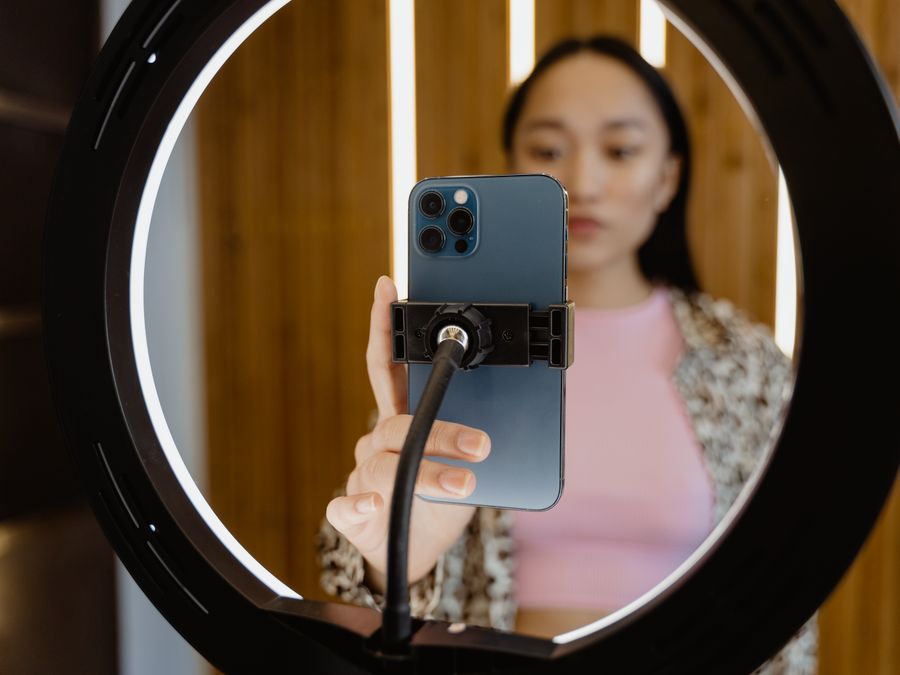
Short-form video dominates social media right now. Platforms reward content that captures attention quickly and keeps viewers engaged. AI tools are particularly well-suited to help creators succeed in this format.
Creating effective short-form content requires understanding what grabs attention in the first few seconds. AI can analyze your footage and identify the most engaging moments to use as hooks. It can suggest where to add captions, when to include music, and how to structure your video for maximum retention.
The technical requirements for short-form video are also well-handled by AI. Automatic captioning ensures your content is accessible and watchable without sound—essential for viewers scrolling through their feeds in public places. AI can generate accurate captions quickly and style them to match your brand.
Tools like Runway ML support various video generation features that help creators experiment with different visual approaches. Whether you want clean cuts, smooth transitions, or creative effects, AI tools can help you achieve a professional look without advanced editing skills.
If you’re focused on platform growth, understanding how to use YouTube Shorts for channel growth alongside AI tools can accelerate your results. The combination of platform-native content and AI-powered production creates an efficient path to building an audience.
Short-form video rewards consistency. AI helps you maintain a regular posting schedule by reducing the time each video requires. You can batch-create content and let AI handle the finishing touches, ensuring you always have something ready to publish.
The competition for attention is fierce, but creators who use AI tools effectively can produce more content at higher quality than those relying entirely on manual methods.
Visual Effects and Creative Enhancements

Visual effects used to require expensive software and years of training. AI is changing that by making sophisticated effects accessible to anyone who wants to use them.
Today’s AI tools can add motion graphics, animate still images, apply artistic filters, and create transitions that would have taken professionals hours to produce. You can transform simple footage into visually dynamic content without learning complex animation software.
Some AI tools specialize in specific creative effects. Background removal happens automatically, letting you composite yourself into any environment. Color grading suggestions help your footage look cinematic. Motion tracking keeps graphics attached to moving objects without manual keyframing.
For creators interested in creating viral AI-generated videos, understanding these creative tools opens up new possibilities. The visual novelty of AI-enhanced content can help your videos stand out in crowded feeds.
Music videos represent another area where AI excels. If you’re looking for tools to enhance your music content, exploring free AI music video generators can help you find accessible options for adding visual effects without significant investment.
The creative possibilities expand when you combine multiple AI capabilities. Generate imagery with one tool, animate it with another, and add effects with a third. Each layer builds on the previous one to create something that looks far more complex than the effort required to produce it.
As these tools continue improving, the gap between amateur and professional visual effects keeps shrinking. Creators with creative vision can execute ideas that would have required a full production team just a few years ago.
Scaling Video Production for Brand Growth
Scaling content production has traditionally meant hiring more people or agencies. AI changes this equation by letting existing teams produce more without burning out. For brands focused on growth, this efficiency is transformative.
Consider what’s involved in traditional video production: planning, filming, editing, graphics, audio mixing, captioning, formatting, and publishing. Each step requires time and often specialized skills. AI can assist with or fully automate many of these steps, compressing timelines dramatically.
A marketing team that once produced two videos per month might now produce ten. A creator who posted weekly might now post daily. The increase in output means more opportunities to connect with audiences, test different approaches, and build momentum.
This scaling applies particularly well to content that follows consistent formats. Tutorial series, product updates, customer testimonials, and behind-the-scenes content all benefit from repeatable AI-assisted workflows. Once you establish a template and process, each new video requires much less effort than starting from scratch.
For those focused on platform growth, understanding AI-powered growth for creators and brands provides a broader context for how AI video creation fits into overall strategy. Video is one piece of a larger puzzle, and AI helps all the pieces work together more efficiently.
The brands and creators who thrive in the coming years will likely be those who embrace AI video creation as a core part of their workflow. Not because the technology replaces human creativity, but because it amplifies what humans can accomplish. You bring the ideas, strategy, and voice. AI handles the execution at scale.
This shift is already underway. The tools are accessible, the learning curve is manageable, and the benefits are real. Whether you’re just getting started with video or looking to take your production to the next level, AI video creation offers a practical path forward.