



When it comes to finding new customers, business owners and marketers often face a common question: should they focus on LinkedIn email finder tools vs Instagram outreach? Both approaches can help you connect with potential leads, but they work in very different ways.
LinkedIn email finder tools let you collect professional email addresses from LinkedIn profiles. This gives you a direct line to decision-makers at companies you want to work with. On the other hand, Instagram outreach focuses on building connections through direct messages and engagement on a visual platform.
Each method has its strengths. The right choice depends on your industry, your target audience, and the resources you have available. This guide will walk you through both approaches, helping you understand what each one offers and which might work better for your specific goals.
What Are LinkedIn Email Finder Tools?
LinkedIn email finder tools are software applications designed to extract email addresses from LinkedIn profiles. Salespeople, recruiters, and marketers use these tools to build contact lists for outreach campaigns.
The basic idea is simple. When you find a potential customer or candidate on LinkedIn, you want a way to contact them directly. While LinkedIn has its own messaging system, many professionals prefer email for business communication. Email finder tools bridge this gap by pulling email addresses associated with LinkedIn profiles.
These tools typically work in a few different ways. Some use browser extensions that display contact information when you visit a LinkedIn profile. Others connect to large databases of business contacts that match LinkedIn profiles with verified email addresses. A popular example is Snov.io, which helps users find and verify email addresses directly from LinkedIn.
Once you have an email address, you can reach out with a personalized message. This approach is popular in B2B sales because it allows for more detailed conversations than LinkedIn’s messaging system. You can also add these contacts to your email marketing campaigns or CRM system.
The main appeal of email finder tools is efficiency. Instead of manually searching for contact information or hoping someone accepts your LinkedIn connection request, you can quickly build a list of email addresses for your target prospects. This speeds up the prospecting process considerably.
However, using these tools comes with responsibilities. You need to respect privacy laws and make sure your outreach follows email marketing regulations. Cold emailing requires careful attention to how you approach people and what value you offer them.
Popular LinkedIn Email Finder Tools Worth Trying

Several LinkedIn email finder tools have become go-to options for sales teams and marketers. Each one offers slightly different features, so understanding your options can help you pick the right fit.
Kaspr is a tool that helps find contact details from LinkedIn profiles. It offers a Chrome extension that reveals phone numbers and email addresses while you browse LinkedIn. The tool focuses on simplicity, making it easy to get started without a steep learning curve.
For teams that want more than just email finding, Apollo.io combines email finding with sales outreach features. This platform lets you search for prospects, find their contact information, and reach out to them all from one place. It includes tools for building email sequences and tracking engagement.
Lusha focuses on providing verified business contact information. The platform emphasizes data accuracy, helping you avoid bounced emails and wasted effort. It integrates with popular CRM systems, making it easy to sync your prospecting data with your sales workflow.
Hunter.io specializes in finding and verifying professional email addresses. Beyond LinkedIn, it can search for emails connected to any domain name. The verification feature helps ensure the addresses you collect are valid and deliverable.
When choosing between these tools, consider a few factors. Think about how many contacts you need to find each month, as pricing often varies based on volume. Look at integrations with tools you already use. Some platforms include additional features like email tracking or sequence automation, while others focus purely on finding contact data.
It’s also worth testing a few options before committing. Most of these tools offer free trials or limited free plans that let you see how well they work for your specific prospecting needs.
How Instagram Outreach Works for Lead Generation
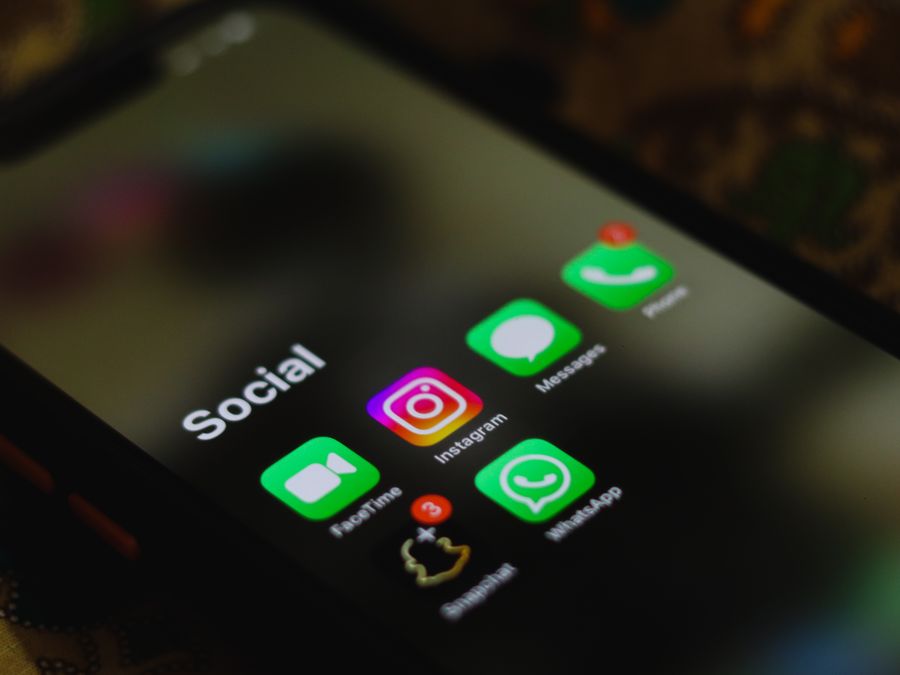
Instagram outreach takes a completely different approach to finding leads. Instead of collecting email addresses and sending cold messages, you connect with potential customers directly on the platform through comments, direct messages, and engagement.
The process usually starts with identifying your target audience on Instagram. You find accounts that match your ideal customer profile—people who might benefit from your product or service. Then you engage with their content by liking posts, leaving thoughtful comments, and eventually starting conversations through direct messages.
Many businesses use Instagram automation tools for business to help scale these efforts. These tools can automate some of the repetitive tasks involved in outreach, like following relevant accounts or engaging with specific hashtags. This saves time while keeping your account active.
What makes Instagram outreach unique is the visual nature of the platform. Before someone responds to your message, they’ll likely check out your profile. A well-designed feed with valuable content builds credibility and makes people more willing to engage. Your content essentially does part of the selling for you.
AI-powered Instagram engagement tools are making this process even more efficient. These tools can help identify the right accounts to engage with and suggest personalized messages based on someone’s profile and recent activity.
The Instagram approach works particularly well for visual industries like fashion, food, fitness, travel, and design. It’s also effective for coaches, consultants, and service providers who can showcase their expertise through content. If your target audience spends time on Instagram, this can be a natural way to start business conversations.
Engagement and Response Rates Compared
When comparing LinkedIn email finder tools vs Instagram outreach, it’s important to understand how engagement differs between these channels.
Email outreach and Instagram direct messages create different types of interactions. Email feels more formal and professional. People expect business communications in their inbox, and they can respond at their convenience. The messages can be longer and more detailed, which works well for complex products or services.
Instagram messages feel more personal and immediate. The platform is designed for quick interactions, so conversations tend to be shorter and more casual. This can work in your favor because it feels less like a sales pitch and more like a friendly chat.
Response patterns also differ between the two channels. Email responses might take longer, but they often come from people who are genuinely interested. Instagram responses can happen faster, but the conversations might need more back-and-forth before someone is ready to discuss business seriously.
For businesses focused on qualifying leads efficiently, AI lead qualification for Instagram can help identify which conversations are worth pursuing. This saves time by focusing your attention on prospects who show real interest.
The quality of your initial message matters enormously on both platforms. Generic outreach tends to get ignored whether it’s an email or a DM. Personalized messages that reference something specific about the recipient—their recent post, their company, or a common connection—perform much better.
Your industry also affects which channel performs better. B2B companies selling to corporate buyers often see better results with email. Brands targeting consumers or small business owners might find Instagram more effective.
Researching Prospects on Each Platform

Good prospecting starts with research. Knowing who you’re reaching out to helps you craft messages that resonate. Both LinkedIn and Instagram offer different ways to learn about potential leads.
On LinkedIn, prospect research is straightforward. Profiles contain job titles, work history, education, skills, and often detailed descriptions of responsibilities. You can see mutual connections, shared groups, and recent posts. This information makes it easy to personalize your outreach and find common ground.
LinkedIn also lets you search by specific criteria like industry, company size, location, and job function. This makes it simple to build targeted lists of people who match your ideal customer profile.
Instagram research works differently. You can learn about someone through their posts, stories, and bio. While this doesn’t give you professional details like job titles, it reveals personal interests, values, and lifestyle. For some businesses, this information is actually more valuable than a job description.
You can also view Instagram profiles anonymously before reaching out. This lets you research prospects without them knowing you’ve looked at their profile, which can be helpful when you want to prepare a message without seeming overly eager.
Another useful tactic is to research competitor followers anonymously. By looking at who follows businesses similar to yours, you can identify potential leads who already have an interest in your type of product or service.
The key difference comes down to context. LinkedIn research tells you about someone’s professional life. Instagram research shows you their personal side. Depending on what you’re selling and how you want to position your outreach, one type of information might be more useful than the other.
Platform Limitations to Keep in Mind
Both LinkedIn email outreach and Instagram outreach come with constraints that affect how you can operate. Understanding these limitations helps you plan realistic campaigns.
LinkedIn email finder tools face their own challenges. Not every profile yields a valid email address. Some addresses are outdated or incorrect. And even when you have accurate data, email deliverability isn’t guaranteed—spam filters might block your messages before they reach anyone.
There are also legal considerations with cold email. Regulations like GDPR in Europe require consent for certain types of email communication. Sending mass cold emails without following proper guidelines can lead to penalties and damage your sender reputation.
Instagram has different but equally important limitations. The platform sets Instagram follow limits that restrict how many accounts you can follow in a given time period. Going over these limits can trigger warnings or even account suspension.
Message sending is also limited. Instagram monitors for spam-like behavior, and sending too many DMs too quickly can result in temporary blocks. This means Instagram outreach typically happens at a slower pace than email outreach.
To maintain a healthy account, you need to manage your Instagram following list carefully. Following hundreds of accounts without any engagement can make your account look suspicious to Instagram’s algorithms.
Both platforms require patience and consistency. Quick, aggressive outreach tends to backfire on either channel. The most effective approach is steady, thoughtful engagement that builds relationships over time rather than pushing for immediate sales.
Choosing the Right Approach for Your Business

Deciding between LinkedIn email finder tools vs Instagram outreach depends on several factors specific to your situation. There’s no universal right answer—what works brilliantly for one business might not suit another.
Start by thinking about where your customers spend their time. If you’re selling to corporate executives or B2B buyers, they’re more likely to be active on LinkedIn and responsive to professional emails. If your customers are entrepreneurs, creative professionals, or consumers, Instagram might be where they prefer to connect.
Consider the nature of what you’re selling. Complex products or services that require detailed explanations often work better with email, where you have more space to make your case. Simpler offerings or visual products can shine on Instagram, where images do much of the talking.
Your own strengths matter too. If you’re great at writing compelling emails but uncomfortable on camera, lean into LinkedIn outreach. If you enjoy creating content and engaging with people casually, Instagram might feel more natural.
Resources also play a role. Email outreach requires investment in finder tools and potentially email automation software. Instagram outreach demands consistent content creation and engagement time. Think about what you can realistically maintain.
For entrepreneurs working remotely, smart Instagram tools for remote work can help manage outreach efforts from anywhere. This flexibility can be valuable if you travel frequently or work across time zones.
Some businesses find success using both channels for different purposes. LinkedIn might work for reaching senior decision-makers, while Instagram connects with end users or influencers. A combined approach lets you cover more ground, though it requires more effort to manage.
Making Your Final Decision
Choosing between LinkedIn email finder tools and Instagram outreach isn’t an either-or decision for every business. The best approach often involves testing both methods and seeing what works for your specific audience.
Start small with whichever channel feels most aligned with your business. Try it for a few weeks, track your results, and see how prospects respond. Pay attention not just to response rates but to the quality of conversations you’re having.
If one channel clearly outperforms the other, double down on it. If both show promise, consider running them in parallel for different segments of your audience.
Remember that outreach success comes down to more than just the platform you choose. The quality of your messaging, the relevance of your offer, and the value you provide all matter more than which tool you use or which channel you prefer.
Take time to understand your prospects, craft thoughtful messages, and follow up appropriately. Whether you’re sending cold emails or Instagram DMs, treating people with respect and offering genuine value will always improve your results.
The debate between LinkedIn email finder tools vs Instagram outreach will continue as both platforms evolve. What matters most is finding the approach that connects you with the right people and helps your business grow.