


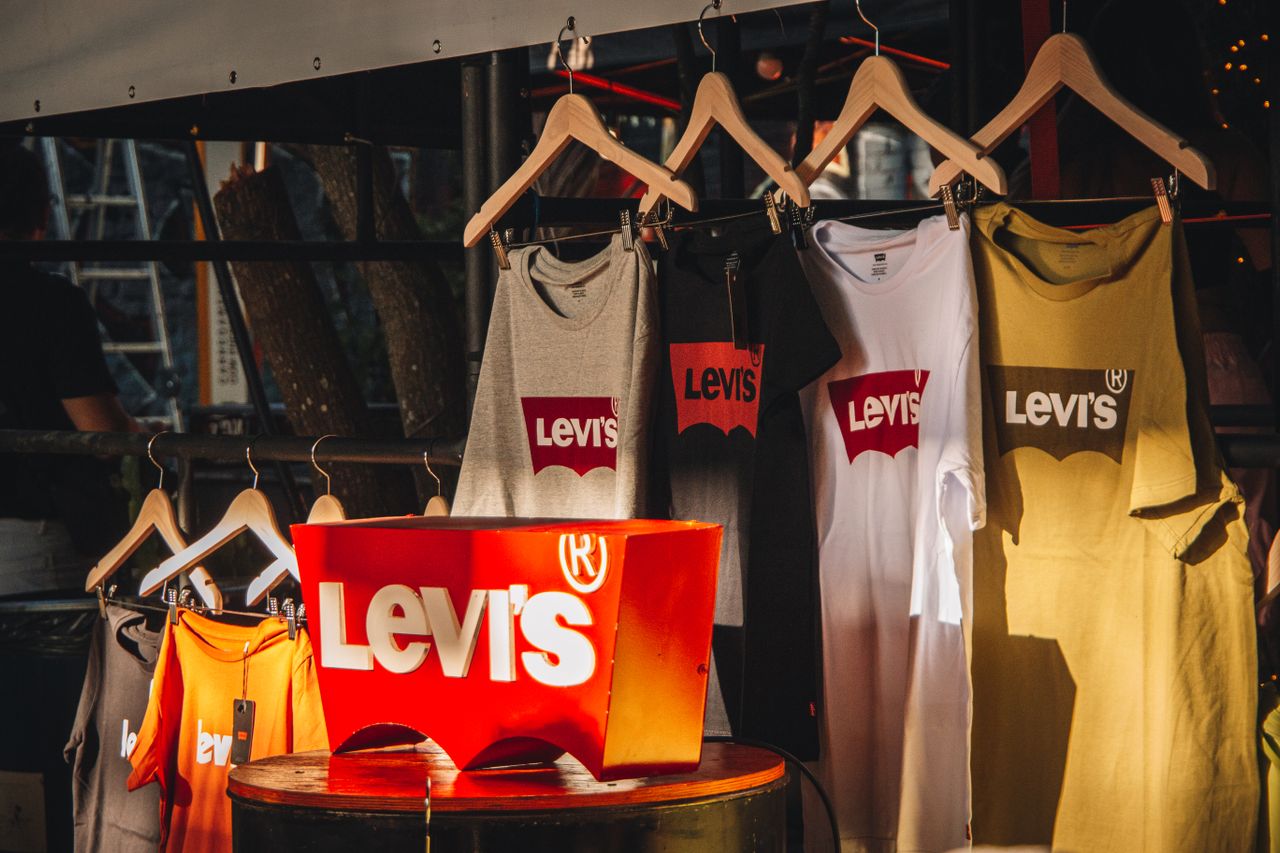

Branded clothing is a tool for businesses to increase recognition and provide staff with a uniform appearance. Adding excessive colors, graphics or words can make garments appear crowded and difficult to identify. Simple designs are effective because observers can understand the message plus remember the visual elements quickly. Businesses create professional clothing – making specific choices regarding logos, colors, fonts, placement, garment styles and printing methods.
Keep The Logo Clear
The company logo is the primary element on branded clothing and must remain easy to see. Small logos are difficult to identify from a distance but also designs surrounded by many graphics lose their importance. Businesses should evaluate how the logo appears on various garment sizes and ensure there is enough space around the image.
Placement depends on the purpose of the clothing. A small logo on the chest is for staff who interact with customers, while a large design on the back is for staff who require high visibility at events. Proportional logos ensure the design is intentional.
Limit The Number Of Colors
A controlled color palette makes clothing look consistent – It is not necessary to use every company color on one garment. One or two brand colors combined with a neutral fabric create a clean appearance.
Color selection also depends on the garment material. Logos for light shirts often require changes when placed on dark jackets or polo shirts. Contrast ensures branding is visible without the need for extra decorative details. The same principle applies online, where maintaining a consistent visual aesthetic helps customers recognize a brand across different digital touchpoints.
Use Simple Typography
Text is useful for slogans, website addresses or job roles. Large amounts of written information make apparel difficult to read and distract from the logo. Short phrases are easy to understand when observers see staff from a distance.
Typography must match the existing visual identity of the company. Multiple fonts make a garment appear unorganized, whereas one typeface is professional. Businesses should use lettering that is readable at the chosen size as well as avoid decorative styles that lower clarity.
Choose Appropriate Garments
The specific garment affects how the design is perceived – T-shirts are for casual workplaces or promotional events, while polo shirts, button up shirts and sweaters are for professional environments.
Clothing reflects the company identity and the environment where staff wear it. Comfort is also important. Staff wear branded clothing regularly when the fit is good or the fabric suits their daily tasks. Practical garments provide more exposure than items that are rarely worn. Selecting clothing based on function ensures the branding remains useful.
Consider Design Placement
Location on the clothing is as important as the design itself. Small logos on the upper chest or sleeve provide subtle recognition. Large artwork is for the back of garments used at public events. Businesses should consider how the clothing looks on a human body rather than only viewing a flat digital image. Placement must account for pockets, seams, collars and buttons. Designs too close to these features look uneven or are difficult to print. Planning the location prevents adjustments and maintains consistency across different clothing types.
Match The Design Across Garments
Businesses often use various types of apparel for different locations or weather conditions. Branding must maintain recognizable elements even when garment styles change.
Consistent logos, colors next to fonts make shirts and jackets appear connected to the same company – this does not mean every item is identical. A business can adapt the design to different styles while keeping the core elements. A logo might be on the chest of a polo shirt and on the front of a jacket in a different size to keep the collection cohesive. Keeping those same recognizable elements across digital channels can also help businesses build a stronger Instagram brand presence alongside their physical branding.
Avoid Excessive Marketing Messages
Branded clothing promotes a business but does not need to list every service or contact detail. Too much communication results in small text plus competing visuals. Observers may struggle to find the most important information.
Businesses should define the purpose of the clothing before finishing the artwork. If the goal is identification, the logo and name are sufficient. If the clothing is for a specific campaign, a short message is appropriate. A clear purpose helps determine what information to include.
Use Quality Printing Methods
Printing methods affect the appearance and durability of the branding. Design complexity but also the amount of use determine the best production method. T shirt printing meets various requirements but the technique depends on the artwork and fabric.
Quality is important because poor reproduction makes a design look unprofessional. Logos must be high resolution and lettering must be sharp. Experienced providers help businesses choose methods that represent the visual identity accurately.
Evaluate Designs Before Final Purchase
Company administrators are encouraged to examine a branded garment prototype before they authorize a high volume order. Electronic images often differ from physical items because the surface of the fabric, the base dye of the material and the dimensions of the print alter the visual result. Evaluation of a physical sample allows staff to identify problems regarding the clarity of a logo, the distinction between colors, the dimensions of letters and the location of graphics.
Physical prototypes are also useful to observe how the apparel appears during use. Management is able to determine if the design stays legible while the fabric shifts, creases or exists beneath other layers. Implementation of minor changes before the manufacturing process begins is a method to avoid expensive errors and ensures that each garment matches the required quality.
Design For Long Term Use
Branded clothing is most effective when it remains relevant beyond one event. Businesses support long term use – avoiding temporary promotions or specific dates. Straightforward logos are appropriate as a company grows.
Long term planning makes future orders easier. When guidelines exist for colors, sizes as well as placement, new clothing is produced without redesigning the system – this approach creates consistency when new staff join the organization.
Conclusion
Effective branded clothing is not dependent on elaborate designs. Clear logos, limited colors and readable fonts create apparel that is professional and easy to recognize. Businesses should focus on their identity rather than placing every message on a garment. Well planned designs provide value or help observers recognize the company in various environments.