




Growing on Instagram can feel overwhelming when you look at all the advice out there. Between algorithms, hashtags, posting times, and content formats, it seems like you need a degree in social media just to get started. But here’s the good news: you don’t need to master every tactic to see real results.
The most effective Instagram strategies are often the simplest ones. When you focus on the basics and do them well, you build a foundation that supports long-term growth. This guide walks you through practical, straightforward approaches that anyone can follow. Whether you’re just starting out or looking to refresh your current approach, these Instagram strategies will help you connect with your audience and grow your presence without unnecessary complexity.
We’ll cover everything from setting up your profile to tracking your progress. Each section focuses on actionable steps you can take right away. No fluff, no overly technical jargon—just clear guidance that works.
Why Simple Strategies Work Better on Instagram
Many people think that success on Instagram requires complicated hacks or secret techniques. They chase every new trend, jump on every feature update, and constantly change their approach. But this scattered effort usually leads to frustration and burnout rather than growth.
Simple Instagram strategies work better because they’re sustainable. When your approach is straightforward, you can actually stick with it. Consistency beats intensity every time on social media. Posting regularly with a clear purpose will always outperform occasional bursts of activity followed by silence.
Another reason simplicity wins is that your audience appreciates it. People follow accounts that feel genuine and easy to understand. When your content is clear and your message is consistent, followers know what to expect from you. This builds trust and keeps them coming back. The key to growing your Instagram authentically lies in showing up as yourself rather than trying to game the system.
Simple strategies also free up your mental energy. Instead of worrying about the latest algorithm change or viral technique, you can focus on creating content that matters to your audience. This shift in mindset makes the whole process more enjoyable and less stressful.
If you want to learn more about Instagram marketing fundamentals, the Later blog offers helpful resources for beginners and experienced users alike. Taking time to understand the basics will serve you better than any quick-fix solution.
Optimize Your Instagram Profile for First Impressions
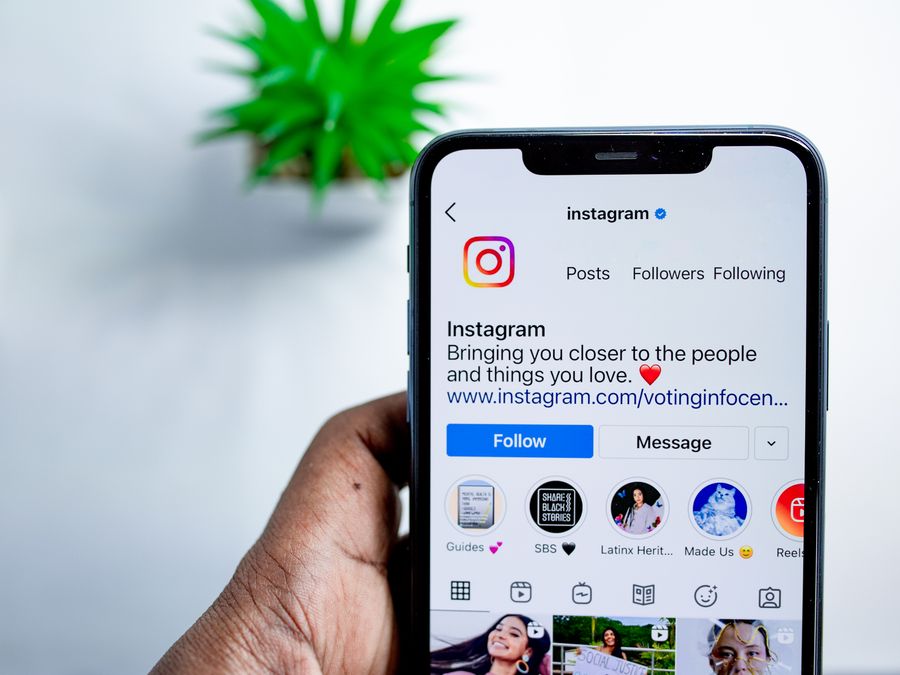
Your profile is often the first thing potential followers see. In just a few seconds, they decide whether to hit that follow button or move on. Making a strong first impression doesn’t require anything fancy—it just takes attention to the basics.
Start with your username. It should be easy to remember, easy to spell, and relevant to who you are or what you do. Avoid numbers or special characters that make it hard for people to find you. Your username also affects whether people can discover you in search, so think carefully about choosing an effective username that represents your brand or personality.
Your profile picture matters too. For personal accounts, a clear photo of your face works best. People connect with other people, so let them see you. For businesses, a clean version of your logo usually makes sense. Whatever you choose, make sure it’s recognizable even at a small size.
Next, write a bio that tells visitors exactly who you are and what they’ll get by following you. You only have 150 characters, so make each word count. Include a clear description and a call to action if relevant. If you have a website or landing page, add that link below your bio.
Visual consistency across your profile grid also makes a difference. When someone visits your profile, they see your recent posts together. If those posts share a similar style, color palette, or overall feel, your profile looks polished and intentional. Learning about creating a cohesive feed aesthetic can help you develop this visual identity without overcomplicating things.
Finally, consider your highlights. These saved Stories appear right below your bio and give visitors a quick way to learn more about you. Organize them with clear covers and names that make sense at a glance.
Plan Your Content for Consistency
One of the biggest mistakes people make on Instagram is posting randomly whenever inspiration strikes. While spontaneity has its place, a basic content plan keeps you consistent and ensures you’re always showing up for your audience.
Content planning doesn’t have to be complicated. Start by deciding how often you want to post. Three to five times per week is a good starting point for most accounts, but the right frequency depends on your capacity and your audience’s preferences. It’s better to post three times a week consistently than to post daily for a month and then disappear.
Next, think about content themes or categories. What topics or types of posts will you share? For example, you might alternate between educational posts, behind-the-scenes content, and user-generated content. Having these categories makes it easier to come up with ideas because you’re not starting from scratch each time. For more detailed guidance, check out these Instagram content strategy tips that can help you build a sustainable plan.
Create a simple content calendar to keep track of what you’ll post and when. This can be as basic as a spreadsheet or notes app. Write down your post ideas, planned captions, and any relevant hashtags. Having this overview helps you spot gaps, avoid repetition, and stay organized.
Batch creating content saves time and reduces stress. Instead of scrambling to create something every day, set aside time each week to create multiple posts at once. Take photos, write captions, and prepare everything in advance. Then you just need to publish according to your schedule.
Resources like Sprout Social offer valuable insights on content planning and social media management that can help refine your approach over time.
Remember that your plan should serve you, not stress you out. If something isn’t working, adjust it. The goal is to make consistency easier, not to create another source of pressure in your life.
Use Stories and Reels to Boost Engagement

Instagram offers several content formats, and using them strategically can significantly increase your visibility and engagement. Stories and Reels, in particular, offer unique opportunities to connect with your audience in different ways.
Stories appear at the top of the Instagram feed and disappear after 24 hours. This temporary nature makes them perfect for casual, everyday content. Share quick updates, ask questions, show behind-the-scenes moments, or just let your personality shine through. Because Stories feel less polished than feed posts, they help your audience see the real you.
Interactive features make Stories especially powerful for engagement. Polls, question boxes, quizzes, and sliders invite your audience to participate rather than just watch. Using Instagram Stories stickers creatively can turn passive viewers into active participants. When people interact with your Stories, it signals to Instagram that your content is valuable, which can boost your visibility.
Reels are Instagram’s short-form video format and tend to reach beyond your existing followers. Unlike regular posts that primarily show up for people who already follow you, Reels appear in the Explore tab and the dedicated Reels feed. This makes them a great tool for reaching new audiences.
Creating Reels doesn’t require professional video skills. Simple, authentic content often performs better than highly produced videos. Share quick tips, show a process, join trending audio, or create something entertaining. The key is to capture attention in the first few seconds and deliver value quickly.
For more tips on making the most of Instagram features and driving engagement, the Hootsuite blog provides practical guidance and updates on what’s working right now.
Don’t feel pressured to use every format equally. Some accounts thrive with Stories while others see more success with Reels. Pay attention to what resonates with your specific audience and lean into what works.
Create Visuals That Stand Out
Instagram is a visual platform, so the quality of your images and videos matters. But standing out doesn’t mean you need expensive equipment or professional design skills. With a few simple principles, anyone can create content that catches the eye.
Good lighting is the foundation of attractive visuals. Natural light works best for most situations. Shoot near windows during the day or head outside when the light is soft. Avoid harsh midday sun or dim indoor lighting that creates unflattering shadows. If you’re shooting indoors regularly, a simple ring light can make a big difference.
Keep your compositions clean and uncluttered. Before you take a photo, look at everything in the frame. Remove distracting objects and position your subject thoughtfully. Simple backgrounds often work better than busy ones because they let your main subject stand out.
Consistency in editing helps tie your content together. You don’t need to edit heavily, but applying similar adjustments to your photos creates a cohesive look. Many people stick to one or two preset filters or make the same basic tweaks to brightness, contrast, and saturation.
You don’t need to be a graphic designer to create polished visuals. Tools like Adobe Express make it easy to design professional-looking graphics, add text to images, and create branded templates. These tools offer pre-made layouts and elements that you can customize quickly.
For video content, keep things steady by using a tripod or propping your phone against something stable. Pay attention to audio quality too—viewers will forgive imperfect video, but poor audio makes content hard to watch.
The most important thing is to start creating. Your first photos and videos won’t be perfect, and that’s okay. You’ll improve with practice, and authenticity often matters more than polish anyway.
Schedule and Automate Your Posts
Posting consistently is much easier when you don’t have to remember to do it manually every time. Scheduling tools let you plan your content in advance and publish automatically at the times you choose. This frees up your daily schedule and ensures you never miss a posting window.
Most scheduling platforms work similarly. You connect your Instagram account, create your post within the platform, choose a date and time, and the tool publishes it for you. Many platforms also let you schedule Stories and Reels, though features vary.
Platforms like Buffer make social media scheduling straightforward even for beginners. You can manage multiple posts, see your content calendar at a glance, and adjust your schedule as needed. These tools often include helpful features like suggested posting times based on when your audience is most active.
Beyond basic scheduling, many tools offer additional capabilities that can streamline your workflow. Some include content libraries where you can store hashtag groups, captions, and media for easy reuse. Others offer team collaboration features if multiple people manage your account. Exploring apps that boost Instagram growth can help you find the right combination of tools for your needs.
Automation doesn’t mean you should set everything and forget it. Even with scheduled posts, you still need to show up and engage with your community. Respond to comments, reply to direct messages, and interact with other accounts. The posting automation just handles the publishing so you can focus your time on genuine connection.
Start simple if scheduling is new to you. Plan a week of content, schedule it, and see how it feels. As you get comfortable, you can plan further ahead and refine your process.
Expand Your Reach with Paid Promotions
Organic growth is valuable, but sometimes you want to reach new people faster. Instagram’s paid promotion options let you put your content in front of audiences beyond your current followers. Even with a modest budget, you can expand your reach significantly.
The simplest form of paid promotion is boosting an existing post. When you boost a post, you pay to have it shown to more people. Instagram lets you define your target audience based on location, age, gender, and interests. You set a budget and duration, and Instagram handles the rest.
Boosting works well when you have a post that’s already performing well organically. If something is resonating with your current audience, it’s likely to appeal to similar people. Giving that post extra reach through boosting can attract new followers who genuinely connect with your content.
For more advanced advertising, you can use Meta’s Ads Manager to create Instagram ads with more targeting options and creative formats. This gives you greater control over who sees your ads, how they appear, and what action you want viewers to take.
Before spending money on promotions, it helps to understand budgeting for paid social campaigns so you can allocate your resources wisely. Start with small amounts to test what works for your audience. Track your results carefully and only scale up spending on approaches that deliver meaningful returns.
Paid promotion works best when combined with strong organic efforts. If your profile is optimized, your content is valuable, and you’re engaging genuinely with your community, paid promotion amplifies what’s already working. It’s not a substitute for good fundamentals.
Track Your Results and Adjust
The only way to know if your Instagram strategies are working is to track your results. Instagram provides built-in analytics for business and creator accounts that show you how your content is performing and who your audience is.
Start with the basics. Look at which posts get the most engagement—likes, comments, saves, and shares. Notice patterns in what topics, formats, or posting times perform best. This information tells you what your audience values so you can create more of it.
Pay attention to reach and impressions to understand how far your content travels. Reach shows how many unique accounts saw your content, while impressions show total views. If your reach is growing over time, your content is finding new people.
Follower analytics tell you about the people following you—their locations, age ranges, and when they’re most active. Use this information to make sure you’re creating content that fits your actual audience and posting when they’re online.
Don’t just collect data—use it to make decisions. If certain content types consistently underperform, consider adjusting your approach. If posting at a specific time yields better results, lean into that timing. Small adjustments based on real data add up over time.
For those who want to go deeper, exploring AI-powered strategies for Instagram growth can offer modern approaches to analyzing performance and identifying opportunities you might miss otherwise.
Review your analytics regularly—weekly or monthly works well for most accounts. This habit keeps you connected to how your efforts are paying off and helps you spot trends before they become problems or opportunities.
Remember that growth rarely happens in a straight line. Some posts will flop, some weeks will be slower than others, and that’s normal. What matters is the overall trajectory. If you’re learning from your results and adjusting your approach, you’re moving in the right direction.
Instagram strategies don’t need to be complicated to be effective. By focusing on these fundamentals—optimizing your profile, planning your content, using engaging formats, creating quality visuals, scheduling strategically, exploring promotions wisely, and tracking your results—you build a solid foundation for sustainable growth. Pick one or two areas to start with, implement what you’ve learned, and build from there. Consistency and patience will serve you better than any quick trick ever could.