


If you spend time building your presence on Instagram, you have probably heard people talk about traffic. Some accounts seem to grow quickly, while others struggle to get noticed. But not all traffic is created equal. Some of it comes from real people who genuinely care about your content, while some of it comes from fake sources that can actually harm your account.
Understanding the difference between real and fake Instagram traffic is one of the most important things you can learn as a creator or business owner. Real traffic leads to meaningful connections, potential customers, and lasting growth. Fake traffic might look good on paper, but it creates problems that can hurt your account over time.
This guide will walk you through everything you need to know about Instagram traffic. You will learn what it means, how to spot fake engagement, why it matters, and most importantly, how to build the kind of genuine audience that actually helps you succeed.
What Is Instagram Traffic
Instagram traffic refers to all the visits, views, and interactions your account receives. Every time someone looks at your profile, watches your Reels, scrolls through your Stories, or engages with your posts, that counts as traffic. Think of it like foot traffic in a physical store. The more people who come in, the more opportunities you have to make a connection or a sale.
The platform has evolved significantly since its launch, growing from a simple photo-sharing app into a major social media destination. You can learn more about its history in the Instagram Wikipedia entry, which provides helpful background context about how the platform developed over the years.
Traffic on Instagram comes from many different sources. People might discover you through the Explore page, find your content through hashtag searches, see your posts shared by friends, or click on your profile from a comment you left somewhere else. Each of these sources brings visitors to your account.
The key distinction that matters most is whether that traffic is real or fake. Real traffic comes from actual human beings who have a genuine interest in what you share. They might become followers, customers, or advocates for your brand. Fake traffic, on the other hand, comes from bots, purchased followers, or fraudulent engagement services. While fake traffic can inflate your numbers, it does nothing to help you achieve your actual goals.
Understanding this difference is the foundation for everything else in your Instagram strategy. When you know what real Instagram traffic looks like and how it behaves, you can make better decisions about how to grow your account.
How the Instagram Algorithm Handles Traffic
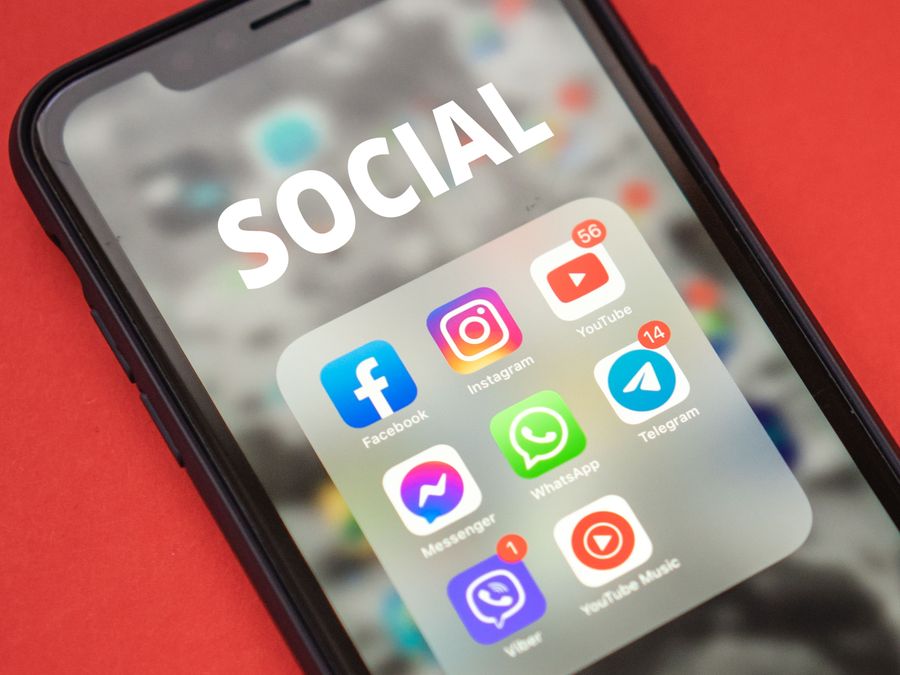
The Instagram algorithm plays a huge role in determining who sees your content and how much traffic your account receives. It acts as a gatekeeper, deciding which posts appear in feeds, which Reels get recommended, and which accounts show up on the Explore page. Understanding how the Instagram algorithm works helps you see why real engagement matters so much more than fake numbers.
At its core, the algorithm tries to show users content they will find interesting and engaging. It looks at signals like how quickly people engage with a post, how long they spend viewing it, whether they comment or share, and whether they visit the profile afterward. These signals help Instagram understand which content deserves more visibility.
When your account receives genuine engagement from real people, the algorithm notices. Real followers tend to interact consistently over time. They watch your videos all the way through, leave thoughtful comments, and respond to your Stories. This consistent, meaningful engagement tells Instagram that your content is valuable, which leads to more reach and more traffic.
Fake engagement works very differently. Bots and fake accounts often interact in predictable, unnatural patterns. They might like posts within seconds of publishing, leave generic comments, or follow and unfollow repeatedly. The algorithm has become sophisticated at detecting these patterns. For additional reading on algorithm behavior, the Hootsuite algorithm guide offers helpful explanations of these detection mechanisms.
When Instagram detects suspicious activity on your account, it may reduce your reach as a precaution. This means your content gets shown to fewer people, even to your real followers. The platform prioritizes protecting users from spam and inauthentic behavior, so accounts associated with fake engagement often suffer in visibility.
The algorithm also considers relationship strength. It prioritizes content from accounts that users interact with regularly. Fake followers do not interact meaningfully, so they do not build the relationship signals that help your content appear in feeds. For another resource for understanding algorithm mechanics, check out this Instagram algorithm guide that breaks down the different factors involved.
What Is Fake Instagram Traffic

Fake Instagram traffic refers to any engagement or followers that do not come from real, interested human beings. This includes bots, fake accounts, purchased followers, and engagement from click farms. While these might make your follower count look impressive, they provide no actual value to your account.
Bots are automated programs designed to perform actions like following accounts, liking posts, or leaving comments. They often operate on a massive scale, interacting with thousands of accounts. Bot comments are usually generic phrases like “Nice post!” or “Great content!” that could apply to anything. They rarely add meaningful engagement to conversations.
Fake accounts are profiles created solely to inflate numbers. Some are operated by bots, while others might be manually controlled by people working in click farms. These accounts typically have few posts, generic profile pictures, and follow a large number of accounts while having very few followers themselves.
Purchased followers come from services that promise to boost your numbers quickly. Many people discover the risks of free Instagram followers after using these services and seeing the negative effects on their accounts. Whether free or paid, followers from these sources are almost always fake or extremely low quality.
Meta actively works to remove fake accounts from Instagram. According to their Enforcement Report, the company takes action against billions of fake accounts across its platforms. This means that purchased followers often disappear over time as Instagram identifies and removes them.
Engagement pods and engagement groups can also produce artificial traffic. While the accounts involved might be real, the engagement is not genuine. Participants agree to like and comment on each other’s posts regardless of actual interest, which creates misleading signals about content quality.
Warning Signs of Fake Traffic on Your Account
Recognizing fake traffic on your own account is essential for maintaining a healthy Instagram presence. There are several warning signs that indicate your followers or engagement might not be genuine.
A sudden spike in followers without a clear cause is one of the most obvious red flags. If you did not post viral content, get featured somewhere, or run a successful campaign, a dramatic increase in followers probably came from somewhere suspicious. Genuine growth typically happens gradually over time.
Low engagement relative to your follower count suggests many of your followers are not real. If you have thousands of followers but only receive a handful of likes and comments, something is wrong. Real followers engage with content from accounts they follow. When engagement rates are extremely low, it often means many followers are bots or inactive accounts.
Generic or irrelevant comments are another sign of fake engagement. Real followers leave comments that relate to your actual content. If you see comments that could apply to any post, or comments in languages your audience does not speak, those are likely from bots.
Followers with suspicious profile characteristics deserve attention. Look for accounts with no profile picture, no posts, strange usernames with random numbers, or following thousands of accounts while having very few followers. These are classic signs of fake accounts.
To get a clear picture of your follower quality, you should perform an Instagram audit regularly. This process helps you identify fake or low-quality followers and understand the true state of your audience.
Watch for followers who disappear quickly. If you gain followers and then lose them within days, those accounts are likely being removed by Instagram or were using follow-unfollow tactics. Genuine followers tend to stick around.
Check where your traffic comes from using Instagram Insights. If you see referral sources that do not make sense or countries where you have no audience, that traffic might be artificial.
Why Fake Traffic Hurts Your Account
Many people assume that having more followers is always better, even if some are fake. This is a dangerous misconception. Fake traffic actively damages your account in several important ways.
Your engagement rate suffers dramatically when you have fake followers. Engagement rate is calculated by dividing your interactions by your follower count. When thousands of your followers are bots that never engage, your rate drops. This makes your account look less appealing to potential collaborators, brands, and even real followers who might check your metrics.
The algorithm penalizes low engagement. As discussed earlier, Instagram uses engagement signals to decide how widely to distribute your content. When fake followers drag down your engagement rate, the algorithm shows your content to fewer people. This means even your real followers might miss your posts.
Your credibility takes a hit when people notice fake engagement. Experienced Instagram users and brands can spot the signs of purchased followers. If someone sees you have many followers but very little engagement, they will question your authenticity. This damages trust and can cost you partnerships or customers.
Fake traffic provides no business value. Bots do not buy products, sign up for services, or recommend you to friends. If your goal is to build a business or personal brand, fake followers contribute nothing toward that goal. They are empty numbers that look good only on the surface.
Instagram may take action against your account. While the platform primarily targets the fake accounts themselves, repeated association with suspicious activity can put your account at risk. In extreme cases, accounts that heavily use bot services have faced restrictions or bans.
How to Build Real Instagram Traffic

Building genuine Instagram traffic takes more effort than buying followers, but the results are worth it. Real traffic comes from real people who can become customers, fans, and advocates for your brand. Here are proven strategies to attract authentic visitors to your account.
Creating valuable content consistently is the foundation of organic growth. Think about what your ideal audience wants to see and provide it regularly. Whether you share educational tips, entertainment, inspiration, or behind-the-scenes glimpses, focus on delivering genuine value. People follow accounts that give them something worth coming back for.
Learning to grow Instagram followers organically requires patience but produces sustainable results. Focus on attracting people who genuinely care about your niche rather than chasing high numbers. A smaller audience of engaged followers is far more valuable than a large audience of disinterested ones.
Hashtags remain an effective way to reach new audiences when used correctly. Research hashtags that your target audience actually searches for and uses. Avoid extremely popular hashtags where your content will get buried, and focus on mid-range tags where you can actually be discovered. Understanding using hashtags for real growth can significantly expand your reach to interested users.
Engaging authentically with other accounts helps you get noticed by potential followers. Leave thoughtful comments on posts from accounts in your niche. Respond to comments on your own posts with genuine replies. Participate in conversations rather than just broadcasting. This human connection builds relationships that turn into followers.
Instagram Reels offer tremendous potential for reaching new audiences. The Reels algorithm can expose your content to users who do not follow you yet, making it one of the best tools for discovery. Create short, engaging videos that capture attention quickly and encourage viewers to check out your profile.
Collaborating with other creators expands your reach to their audiences. Look for accounts with similar audience sizes and complementary content. Guest appearances, shared posts, or joint projects introduce you to people who already trust accounts similar to yours.
Working on trending on Instagram authentically can boost your visibility significantly. Pay attention to current trends, sounds, and formats that are performing well. When you participate in trends while adding your unique perspective, you tap into existing interest while showcasing your creativity.
Posting at optimal times increases the chances that your content gets seen. Use Instagram Insights to learn when your specific audience is most active. Publishing when your followers are online means more immediate engagement, which signals to the algorithm that your content deserves wider distribution.
Cross-promoting on other platforms brings traffic from outside Instagram. Share your Instagram content on other social networks, include your handle in email signatures, and mention your account wherever appropriate. People who discover you elsewhere and follow you on Instagram are clearly interested in your content.
Using Visual Content to Attract Real Visitors

Instagram is a visual platform, and the quality of your visuals directly impacts your ability to attract and retain real followers. Strong visual content stops people mid-scroll and encourages them to explore your profile further.
Developing a consistent visual style helps people recognize your content instantly. Choose colors, filters, and compositions that reflect your brand personality and use them consistently. When someone sees your post in their feed, they should be able to identify it as yours before even reading the caption.
High-quality images and videos signal professionalism and effort. You do not need expensive equipment, but you do need good lighting, steady shots, and clear composition. Blurry or poorly lit content gets scrolled past, no matter how good the message is.
Understanding visual content strategies for Instagram growth helps you create content that performs well with the algorithm while appealing to human viewers. This includes thinking about thumbnail images for Reels, cover photos for carousels, and the overall look of your profile grid.
Variety keeps your content interesting. Mix different formats like single images, carousels, Reels, and Stories. Different formats serve different purposes and reach different segments of your audience. Someone who prefers short videos might not engage with static posts, and vice versa.
Text overlays and graphics can make your content more engaging and informative. Educational content, quotes, or step-by-step guides benefit from clear text elements. Just make sure the text is readable and does not overwhelm the visual.
Authenticity matters as much as polish. Highly produced content performs well, but so does raw, genuine content that feels real. Find the balance that works for your brand and your audience. Sometimes a simple, honest photo connects better than a perfectly staged shot.
Turning Real Traffic Into Results
Attracting real Instagram traffic is only part of the equation. The ultimate goal is to convert that traffic into meaningful outcomes, whether that means sales, leads, community growth, or other objectives.
Your bio and profile should clearly communicate what you offer and what visitors should do next. Include a clear call to action and make sure your link leads somewhere valuable. Creating Instagram landing pages that convert helps you capture the value of your traffic rather than losing visitors to confusion or friction.
Use Stories and posts to guide followers toward desired actions. Tell them about your products, invite them to sign up for your newsletter, or encourage them to visit your website. Do not assume people will figure out what to do on their own.
Building an email list from your Instagram traffic gives you a communication channel you control. Social media platforms can change their algorithms or policies at any time. An email list lets you stay connected with your audience regardless of what happens on Instagram.
Track your results to understand what works. Use Instagram Insights along with any analytics from your website or sales platform. Pay attention to which content drives the most profile visits, link clicks, and conversions. The Meta Newsroom is a useful resource for staying updated on platform features that affect traffic and how you can leverage new tools.
Remember that trust takes time to build. Real followers need multiple touchpoints before they become customers or take significant actions. Continue providing value, showing up consistently, and nurturing your relationship with your audience. The traffic you build through genuine methods will reward you with genuine results.
Focusing on real Instagram traffic might feel slower than taking shortcuts, but it creates something that lasts. Real followers support your goals, spread the word about your brand, and contribute to sustainable growth. That foundation is worth far more than any inflated number of fake followers could ever provide.