



If you have ever wondered why some posts on Instagram seem to take off while others barely get seen, the answer usually comes down to one thing: the Instagram algorithm. This behind-the-scenes system decides what content shows up in your feed, which Reels get recommended, and whether your Stories reach your followers or get buried.
Understanding how the Instagram algorithm works can feel confusing at first. But once you know the basics, you can make smarter choices about what you post and when. This guide breaks down everything you need to know in plain language. You will learn what signals the algorithm pays attention to, how different parts of Instagram work differently, and practical steps you can take to improve your reach.
Whether you are a creator trying to grow your audience, a small business looking for more customers, or just someone who wants their posts to actually be seen, this guide will help you work with the algorithm instead of against it.
What Is the Instagram Algorithm?
The Instagram algorithm is a set of rules and processes that decide which content appears in your feed and in what order. Think of it as a smart sorting system. Instead of showing you posts in the order they were published, Instagram tries to predict what you will find most interesting and shows you that content first.
There is not just one algorithm either. Instagram uses different ranking systems for different parts of the app. The way content gets ranked in your main feed is different from how Reels get recommended or how posts appear on the Explore page. Each surface has its own set of priorities.
Why does this matter? Because Instagram wants to keep people on the app as long as possible. The longer users stay engaged, the more ads Instagram can show. So the algorithm is constantly trying to serve up content that will keep each person scrolling, watching, and interacting.
For content creators, this means your posts are competing for attention not just with other accounts, but with the algorithm’s predictions about what each user wants to see. If your content gets strong early engagement, the algorithm is more likely to show it to more people. If engagement is weak, your reach will shrink.
Instagram’s parent company Meta has published information about how its systems work. You can review Meta transparency resources to get a better understanding of how the platform handles content ranking decisions. This transparency helps creators and users understand that the algorithm is not random. It follows patterns you can learn and adapt to.
How the Algorithm Ranks Content

The Instagram algorithm looks at thousands of signals when deciding what to show each user. But most of these signals fall into a few main categories that you can actually influence with your content strategy.
Relationship signals are among the most important. The algorithm pays close attention to who you interact with regularly. If someone frequently likes, comments on, or shares your posts, Instagram assumes they want to see more from you. Direct messages also count. The more someone engages with your content, the more likely your future posts will appear in their feed.
Interest predictions come next. Instagram tries to guess what topics and content types each user enjoys. If someone watches a lot of cooking videos, the algorithm will prioritize cooking content from accounts they follow. This is where AI-powered features on Instagram come into play, helping the platform predict and personalize content recommendations.
Timeliness still matters, even though Instagram no longer uses a strictly chronological feed. Newer posts generally get a slight boost over older ones. Posting when your audience is most active can improve your chances of getting seen before the algorithm evaluates your content.
Content type preferences also influence what shows up. If someone tends to spend more time watching Reels than looking at photos, Instagram will show them more Reels. The algorithm learns from behavior patterns over time.
For a deeper dive into these ranking factors, you can check out this Instagram algorithm guide as an additional resource. Understanding these signals helps you create content that the algorithm will want to promote.
Feed, Stories, and Reels: Different Algorithm Rules
One common mistake people make is treating Instagram as if there is just one algorithm. In reality, each surface on the app follows its own ranking logic. What works to get your posts seen in the main feed might not help your Reels get discovered.
Main Feed Ranking
Your main feed shows content from accounts you follow, plus some suggested posts. The algorithm prioritizes posts from people you have interacted with recently. Comments carry more weight than likes. Posts with high early engagement get pushed to more followers. If you want to boost your Instagram visibility in the feed, focus on creating content that sparks conversations.
Stories Ranking
Stories appear in a horizontal row at the top of the app. The algorithm sorts these based on how often you view and interact with each account’s Stories. Accounts you engage with most appear first. If you regularly reply to someone’s Stories or react to them, you will see their Stories before others. Posting Stories consistently helps you stay visible in this rotation.
Reels Ranking
Reels have their own discovery system that is designed to show content from accounts you do not follow yet. This makes Reels a powerful tool for reaching new audiences. The algorithm looks at watch time, replays, likes, comments, and shares. Videos that keep people watching until the end get more distribution. Audio trends and original content both perform well, though the specific factors shift over time.
Explore Page Ranking
The Explore page is entirely about discovery. Instagram uses your past behavior to suggest content from accounts you have never seen. High engagement rates, trending topics, and content similar to what you have liked before all influence what appears here.
For a more detailed breakdown of how each surface works, check out this Hootsuite algorithm guide that covers the differences between these ranking systems.
Engagement Signals That Matter Most

Not all engagement is created equal in the eyes of the Instagram algorithm. Some actions carry more weight than others when the algorithm decides whether to push your content to more people.
Saves
When someone saves your post, it tells Instagram that your content has lasting value. Saves are often considered one of the strongest engagement signals. Creating content that people want to reference later, such as tips, tutorials, or valuable information, can boost your save rate.
Shares
Shares indicate that your content is worth passing along. When someone sends your post to a friend through direct messages or shares it to their Story, the algorithm takes notice. Content that triggers emotional responses or provides useful information tends to get shared more often.
Comments
Comments show active engagement. The algorithm looks at both the number of comments and the length of those comments. Longer, thoughtful comments signal more interest than single-word replies. Asking questions in your captions can encourage more commenting.
Watch Time
For video content, watch time is crucial. The percentage of your video that people watch matters more than the total view count. A video that most people watch to the end will outperform a longer video that people scroll past quickly.
Understanding how Instagram hashtags affect your reach can also help improve discovery. Hashtags work as a categorization tool that helps the algorithm understand what your content is about and who might want to see it.
It is also worth knowing the difference between real versus fake Instagram traffic. Authentic engagement from real people carries far more weight than inflated numbers from bot accounts. The algorithm is designed to detect and ignore artificial engagement.
Common Algorithm Mistakes to Avoid
Even if you create great content, certain behaviors can hurt your algorithmic reach. Here are some common mistakes that hold creators back.
Using Bots or Automation Services
It might seem like a shortcut to use bots that automatically like, follow, or comment on your behalf. But Instagram actively detects and penalizes this behavior. Bot activity often leads to shadowbanning, where your content gets hidden from discovery features without any notification. Learning to identify Instagram bots can help you avoid these services and understand why they damage engagement rates.
Buying Followers
Purchased followers are almost always fake or inactive accounts. They do not engage with your content, which tanks your engagement rate. A low engagement rate signals to the algorithm that people do not find your content interesting. Understanding the risks of chasing free followers can save you from making this mistake.
Posting Inconsistently
The algorithm rewards accounts that post regularly. Long gaps between posts can cause your engagement to drop. When you come back, you might find that fewer followers see your content. Creating a consistent posting schedule helps maintain your algorithmic standing.
Ignoring Your Audience
If you never respond to comments or messages, your relationship signals with followers weaken. The algorithm notices when interactions are one-sided. Taking time to engage with your community strengthens those relationship signals that help your content get seen.
Only Posting One Content Type
Instagram wants users engaging across all its features. Accounts that only post photos but never use Reels or Stories may miss out on reach in those areas. Diversifying your content types helps you show up in more places.
Deleting Posts That Underperform
Some creators delete posts that do not get much engagement right away. This can actually hurt you. The algorithm sometimes gives content a second push later. Deleting posts also removes any engagement data they did generate.
Tools to Track Your Algorithm Performance
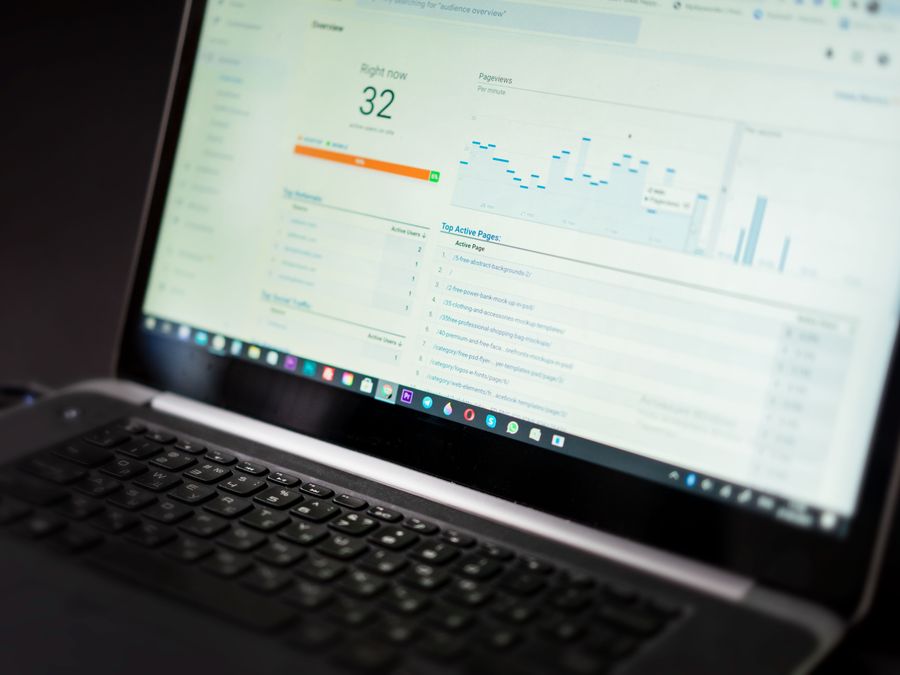
You cannot improve what you do not measure. Fortunately, several tools can help you understand how the algorithm is treating your content.
Instagram Insights
If you have a Business or Creator account, you get access to Instagram Insights for free. This built-in analytics tool shows you reach, impressions, engagement, follower demographics, and when your audience is most active. Reviewing these metrics regularly helps you spot patterns in what content performs best.
Third-Party Analytics Platforms
Tools like Later, Hootsuite, and Sprout Social offer more detailed analytics and scheduling features. These platforms can track your performance over longer time periods and provide competitive benchmarking. Many offer free tiers that work well for smaller accounts.
Ad Performance Tracking
If you run any paid promotions, Meta Ads Manager provides detailed data on how your content performs with different audiences. Even if you mostly focus on organic growth, understanding paid metrics can give you insights into what resonates with your target audience.
Regular Account Audits
Taking time to audit your Instagram account helps you understand the algorithm’s impact on your content over time. An audit examines your best and worst performing posts, your follower growth trends, and where improvements can be made.
Engagement Rate Calculators
Your engagement rate is one of the clearest indicators of how well you are working with the algorithm. Several free online tools can calculate this for you. A healthy engagement rate suggests the algorithm is showing your content to interested people.
The key is to check your metrics consistently rather than obsessing over individual posts. Look for trends over weeks and months rather than daily fluctuations.
Growing Your Audience With the Algorithm
Once you understand how the Instagram algorithm works, you can use that knowledge to grow your audience more effectively. Here are practical strategies that work with the algorithm rather than against it.
Focus on Your Niche
The algorithm gets better at recommending your content when it can clearly categorize what you are about. Accounts that cover everything tend to confuse the system. Picking a clear niche helps Instagram understand who should see your posts.
Create for Engagement
Before posting, ask yourself whether your content invites interaction. Does it ask a question? Does it teach something worth saving? Does it trigger an emotional response worth sharing? Designing content specifically for engagement helps kickstart the algorithmic cycle.
Post When Your Audience Is Active
Check your Instagram Insights to see when your followers are online. Posting during these peak times gives your content the best chance of early engagement, which signals the algorithm to push it further.
Use Reels for Discovery
Reels remain one of the best tools for reaching people who do not follow you yet. The Reels algorithm actively promotes content to new viewers. If you want to grow your Instagram following from scratch, making Reels a regular part of your strategy is essential.
Engage With Others First
Spending time engaging with content in your niche can help you appear in related recommendations. Comment thoughtfully on posts from similar accounts. This builds relationship signals and can attract their audience to your profile.
Consider Paid Promotion
Sometimes organic growth needs a boost. Instagram ads let you reach targeted audiences beyond your current followers. If you also advertise on other platforms, using a Google agency ads account can help you compare performance across channels and understand where your advertising budget works best.
Be Patient and Consistent
Algorithmic growth rarely happens overnight. Consistency builds the signals that the algorithm uses to recommend your content. Stay patient, keep posting quality content, and trust the process.
FAQ: Instagram Algorithm Questions
Does the Instagram algorithm change often?
Yes, Instagram regularly updates its algorithm. However, the core principles of engagement, relevance, and relationship signals remain fairly constant. Major changes are usually announced by Instagram, so following their official channels helps you stay informed.
Can I see who views my Instagram profile?
No, Instagram does not reveal who views your profile. You can see who views your Stories and who interacts with your posts, but profile views remain private.
Does posting at the same time every day help the algorithm?
Posting consistently is more important than posting at the exact same time. The algorithm does not require a strict schedule, but regular posting helps maintain engagement momentum.
Do hashtags still work with the Instagram algorithm?
Yes, hashtags remain a discovery tool. However, their impact depends on how you use them. Relevant, specific hashtags work better than generic ones. Instagram has also shifted toward using keywords in captions for categorization.
Why did my reach suddenly drop?
Reach drops can happen for many reasons: algorithm updates, changes in your posting pattern, shifts in follower activity, or increased competition in your niche. Reviewing your recent content and engagement patterns usually reveals the cause.
Is it better to have a Business or Creator account for the algorithm?
Both account types have access to the same basic algorithmic treatment. Creator accounts offer some additional features for content creators, while Business accounts work better for shops and brands. Choose based on your needs rather than algorithmic advantage.