



Every time someone opens Instagram, they face a flood of content. Posts, Reels, Stories, and carousels compete for attention in a matter of seconds. The difference between content that gets seen and content that gets scrolled past often comes down to one thing: the hook.
A strong hook grabs attention right away. It makes people stop, look, and want to learn more. Without it, even the best content can go unnoticed. That’s why mastering Instagram hook formulas is essential for anyone who wants to grow their account and connect with more people.
In this guide, you’ll find practical hook formulas that work across different Instagram formats. Whether you’re creating feed posts, carousels, Reels, or Stories, these formulas will help you capture attention and encourage engagement.
What Makes a Hook Work on Instagram
A hook is the first thing someone sees or hears when they encounter your content. On Instagram, this could be the opening line of a caption, the first slide of a carousel, or the first second of a Reel. Its job is simple: stop the scroll and make someone pay attention.
Hooks work because they tap into basic human instincts. People are curious. They want answers to questions. They respond to bold statements that challenge what they believe. A good hook promises value, sparks curiosity, or creates an emotional connection—all within a few seconds.
But what makes a hook work depends heavily on who you’re trying to reach. Your target audience determines what will resonate. A hook that works for fitness enthusiasts might fall flat with small business owners. Understanding your audience’s problems, desires, and language is the foundation of effective hooks.
When you develop a solid Instagram content strategy, creating consistent hooks becomes easier. You learn what your audience responds to, which lets you repeat what works and improve what doesn’t.
The best hooks also match the format they’re in. A text-heavy hook might work in a carousel but feel out of place in a Reel. Understanding how each Instagram format works helps you craft hooks that feel natural and effective.
Types of Scroll-Stopping Instagram Hooks

Not all hooks work the same way. Different types of hooks trigger different responses, and knowing when to use each one gives you more options for your content.
Question Hooks
Questions naturally invite engagement. When you ask something that relates to your audience’s experience, they pause to think about their answer. “Are you making this mistake with your morning routine?” works because it creates uncertainty and a desire to find out.
Bold Statement Hooks
Bold statements grab attention by saying something unexpected or contrarian. “Most productivity advice is wrong” or “You don’t need more followers” stand out because they challenge common beliefs. These hooks work well when you can back them up with solid reasoning in your content.
Curiosity Gap Hooks
Curiosity gap hooks create a gap between what someone knows and what they want to know. “I tried this for 30 days and here’s what happened” or “The real reason your posts aren’t getting likes” make people want to fill that gap by consuming your content.
Visual Hooks
Sometimes the hook isn’t about words at all. A striking image, unexpected visual, or eye-catching design can stop the scroll just as effectively. Bright colors, faces showing emotion, or unusual compositions all function as visual hooks.
For staying updated on what types of hooks are working right now, resources like Sprout Social provide useful insights on engagement trends. Creating high-performance Instagram content often means combining these hook types based on what your audience responds to best.
Hook Formulas for Feed Posts and Carousels
Feed posts and carousels give you space to develop ideas, but you still need a strong hook to get people to stop scrolling. Here are formulas you can adapt for your own content.
The Problem-Agitate Formula
Start by naming a problem your audience faces, then intensify it slightly before offering a solution.
Formula: “[Problem] is holding you back. Here’s how to fix it.”
Example: “Low engagement is holding you back. Here’s how to fix it.”
This works because it speaks directly to a pain point and promises relief.
The List Tease Formula
People love lists because they’re easy to scan and promise clear takeaways.
Formula: “[Number] [things] I wish I knew about [topic]”
Example: “5 things I wish I knew about growing on Instagram”
For carousels, this hook goes on your first slide, and each subsequent slide delivers one item from the list.
The Before-After Formula
This formula works well for transformation content.
Formula: “I went from [negative state] to [positive state]. Here’s what changed.”
Example: “I went from 100 views to 10,000 views. Here’s what changed.”
This creates curiosity about the transformation and what caused it.
The Myth-Buster Formula
Challenge something your audience commonly believes.
Formula: “Stop believing that [common belief]. The truth is [actual reality].”
Example: “Stop believing that posting more equals more growth. The truth is timing matters more.”
Using AI design tools can help you create visually compelling first slides that reinforce your hook. When you need to speed up carousel creation, Instagram carousel templates provide ready-made designs that you can customize with your hook text.
The Insider Knowledge Formula
Position yourself as someone sharing exclusive information.
Formula: “What [group] won’t tell you about [topic]”
Example: “What successful creators won’t tell you about algorithm changes”
This appeals to people who want access to information that feels hidden or exclusive.
Hook Formulas for Reels and Video Content

Reels demand faster hooks because viewers decide within the first one to three seconds whether to keep watching. The combination of audio and visuals gives you more options, but also more pressure to grab attention immediately.
The Open Loop Formula
Start your Reel with something that creates an open loop—a question or statement that viewers need to watch to resolve.
Formula: Start with “Wait until you see…” or “I can’t believe this actually worked…”
The key is to begin mid-action or mid-thought, so viewers feel like they’re joining something already happening.
The Pattern Interrupt Formula
Pattern interrupts work by breaking expectations. If most Reels in your niche start the same way, doing something different makes people pause.
Formula: Start with an unexpected visual, sound, or statement that doesn’t match what viewers expect.
This could be a sudden movement, an unusual camera angle, or opening with a statement that seems contradictory.
The Direct Address Formula
Speaking directly to a specific viewer type makes people feel like the content is made for them.
Formula: “If you’re a [specific person] who [specific situation], keep watching.”
Example: “If you’re a small business owner who struggles with content ideas, keep watching.”
Audio and Visual Syncing
The audio in your Reels affects hook strength. Using trending sounds from platforms like TikTok can boost your Reels’ discoverability while also providing a built-in hook if the sound is already popular with your audience.
Your audio hook might be spoken words, a sound effect, or music that starts at an attention-grabbing moment. Sync your visual action to the audio beat for maximum impact.
Learning to repurpose Instagram content into videos helps you adapt successful hooks from other formats into Reels. When you focus on visual content for Instagram growth, strong video hooks become essential for reaching new audiences through the algorithm.
The “Don’t Make This Mistake” Formula
Warning-based hooks tap into fear of missing out or making errors.
Formula: “Don’t [common mistake] without knowing this first.”
Example: “Don’t post another Reel without knowing this first.”
Hook Formulas for Instagram Stories
Stories have unique characteristics that affect how hooks work. They’re temporary, they often feel more casual, and they support interactive elements. These factors shape the types of hooks that work best.
The Text Overlay Hook
Since many viewers watch Stories without sound, text overlays become your primary hook tool. Keep text short, large enough to read quickly, and positioned where it won’t be covered by your profile picture or message bar.
Formula: Use a question or bold statement as text overlay in the first frame.
Example: “I made a big mistake today” (with text overlay)
The Poll Teaser Hook
Polls and interactive stickers can function as hooks because they invite immediate participation.
Formula: Start with a poll that relates to the story you’re about to tell or the advice you’re about to share.
Example: A poll asking “Have you ever experienced this?” before sharing a relatable story
Using Instagram Story stickers for engagement effectively means thinking of stickers as hook mechanisms, not just decorations. A well-placed question sticker or slider at the start of a Story sequence creates investment that keeps viewers tapping through.
The Countdown Hook
If you’re building up to something—an announcement, launch, or reveal—use earlier Stories as hooks for what’s coming.
Formula: “Something’s coming in 3 Stories…”
This creates anticipation and encourages viewers to keep watching.
The Behind-the-Scenes Hook
Stories that feel raw and unpolished can hook viewers because they contrast with more produced feed content.
Formula: Start with something candid or unfinished that makes viewers curious about the full context.
How to Plan and Schedule Hook-Driven Content
Creating great hooks isn’t just about individual posts. It’s about building a system that consistently delivers attention-grabbing content. Planning ahead helps you maintain quality without scrambling for ideas at the last minute.
Build a Hook Library
Start collecting hooks that catch your attention as you scroll. Save posts, Reels, and Stories that made you stop. Analyze what they did and how you might adapt similar approaches for your content.
Keep a running document or note with hook formulas and examples. When you sit down to create content, you’ll have a reference library instead of starting from scratch.
Match Hooks to Content Types
Different content goals call for different hook types. Educational content might benefit from curiosity gap hooks. Entertaining content might use pattern interrupts. Sales-focused content might use problem-agitate hooks.
When you create an Instagram content strategy, plan which hook types you’ll use for each content category. This creates variety while ensuring every post has a strong opening.
Plan Hooks in Your Calendar
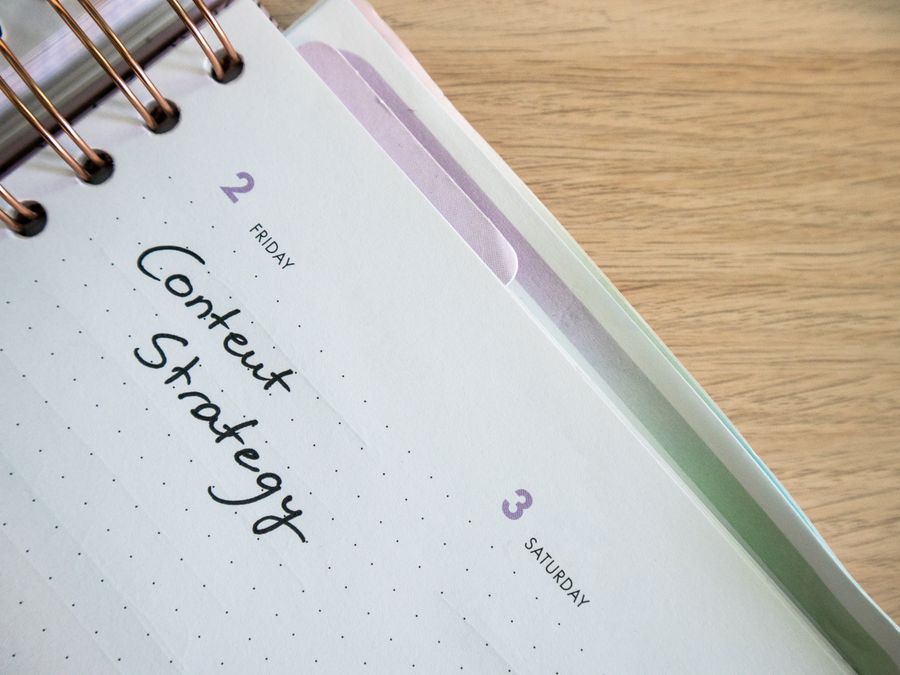
Your Instagram content calendar should include space for hook planning. Don’t just note “carousel about productivity tips.” Write out your actual hook: “5 productivity myths that are actually hurting you.”
This level of detail during planning saves time later and ensures you’re not settling for weak hooks because you’re rushed.
Test and Track What Works
Pay attention to which hooks get the best response. Look at metrics like initial engagement, watch time for Reels, and tap-through rates for Stories. Over time, patterns will emerge showing what your specific audience responds to.
For more ideas on scheduling and planning social media content effectively, the Later blog offers helpful resources on content organization and timing.
Batch Your Hook Creation
Consider dedicating specific time blocks to hook writing. When you’re in a creative mindset, generate hooks for multiple pieces of content at once. This is often more efficient than creating hooks one at a time as you produce each piece.
Common Hook Mistakes to Avoid
Even with good Instagram hook formulas, certain mistakes can undermine your efforts. Being aware of these pitfalls helps you create hooks that actually deliver results.
Clickbait Without Payoff
A hook that promises something your content doesn’t deliver damages trust. “This changed my life forever” loses impact when the content is ordinary. Your hook should be compelling, but it needs to be honest about what follows.
If your hook creates a specific expectation, your content must meet or exceed that expectation. Otherwise, viewers will stop trusting your hooks and stop engaging with your content.
Ignoring Format Differences
A hook that works in a carousel might not translate to Reels. Text-heavy hooks don’t work well for video when you have one second to capture attention. Visual hooks that work in Stories might feel strange in a static feed post.
Adapt your hook approach to each format rather than using the same formula everywhere.
Being Too Generic
“Want to grow your business?” is technically a question hook, but it’s so broad that it doesn’t speak to anyone specifically. The more specific your hook, the more strongly it resonates with the right audience.
Instead of “Tips for better productivity,” try “Stop checking email first thing in the morning.” Specificity creates stronger hooks.
Inconsistent Hook Quality
Some creators put effort into hooks occasionally but neglect them in most posts. Consistency matters. Every piece of content competes for attention, so every piece needs a strong opening.
Build the habit of evaluating every hook before publishing. Ask yourself: would this make me stop scrolling?
Copying Without Adapting
Seeing successful hooks from other creators is valuable research, but directly copying rarely works. What resonates with one audience may not work with yours. Adapt successful approaches to your voice, your niche, and your audience’s specific interests.
Forgetting the Promise
Every hook makes an implicit promise to the viewer. It says “this will be worth your time” in some specific way. Make sure your content delivers on that promise, or your hooks will become less effective over time as viewers learn to distrust them.
Strong Instagram hook formulas become powerful when you use them consistently, adapt them to your audience, and always deliver value after the initial grab. Start testing different approaches, track what works, and build your own library of hooks that resonate with your specific community.