




Building a strong Instagram content strategy can feel overwhelming when you’re just getting started. With so many features to explore—from feed posts and Stories to Reels and carousels—knowing where to focus your energy makes all the difference.
The good news is that creating an effective Instagram content strategy doesn’t require a massive budget or a full marketing team. What it does require is a clear plan, consistent effort, and a willingness to learn what works for your specific audience.
In this guide, we’ll walk through 12 practical ways to build an Instagram content strategy that actually works. Whether you’re a small business owner, content creator, or marketing professional, these methods will help you plan better content, reach more people, and grow a community that genuinely cares about what you share.
Know Your Audience and Set Goals

Before you post anything, take time to understand who you’re trying to reach. Your audience shapes everything from the topics you cover to the time of day you post. Without this foundation, even great content can fall flat because it’s reaching the wrong people.
Start by asking yourself some basic questions. What age group are you targeting? What problems do they face that you can help solve? What kind of content do they already engage with? If you have an existing following, check your Instagram Insights to see demographic data about your current audience.
Once you understand your audience, set clear goals for your content. These goals should connect to what you want to achieve for your business or personal brand. Common goals include building brand awareness, driving website traffic, generating leads, or simply building a loyal community around shared interests.
Make your goals specific and measurable. Instead of saying “I want more followers,” try “I want to gain 500 new followers in the next three months.” This gives you something concrete to work toward and helps you evaluate whether your strategy is working.
Your content goals often align with broader marketing efforts. If you’re working with a performance marketing service, your Instagram goals should complement your overall marketing objectives. This alignment ensures your social efforts support your bigger business picture.
When you take time to research your audience and set meaningful goals, you’re laying the groundwork for Instagram strategies that deliver results. Everything else in your content strategy builds on this foundation.
Build Your Content Calendar
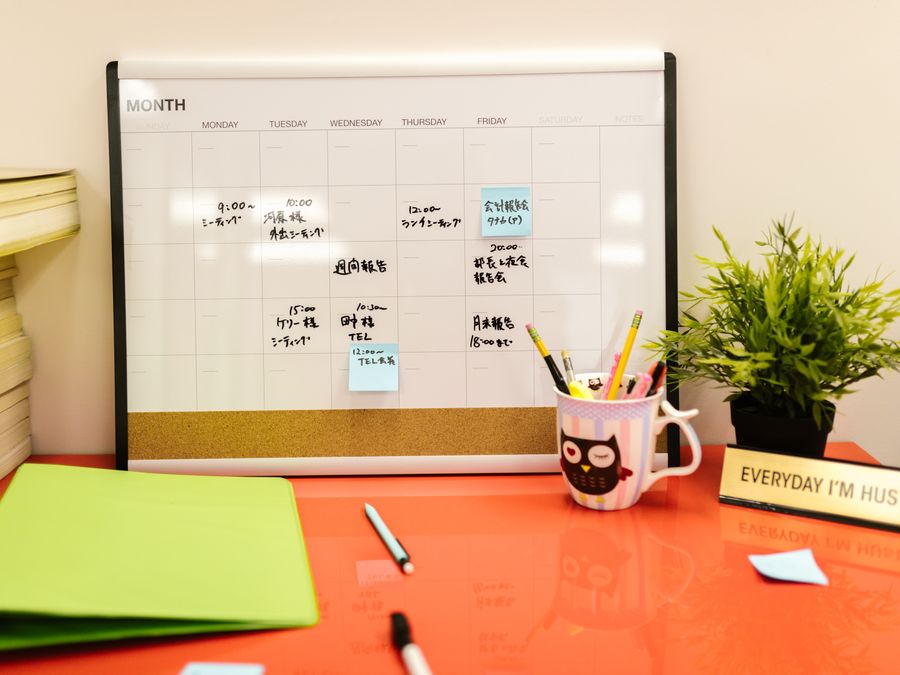
A content calendar is your roadmap for what to post and when. Without one, you’ll likely find yourself scrambling for ideas at the last minute, which usually leads to inconsistent posting and lower-quality content.
Start simple. You don’t need fancy software to create a content calendar—a basic spreadsheet or even a paper planner works fine when you’re starting out. The key is to plan at least a week or two ahead so you always know what’s coming.
Your calendar should include the type of content you’ll post, the topic or theme, any captions or copy you’ve drafted, and relevant hashtags. You might also note which format you’ll use—whether that’s a static image, carousel, Reel, or Story.
Consistency matters more than frequency. Posting three times a week on a regular schedule typically outperforms posting seven times one week and then disappearing for two weeks. Pick a posting frequency you can sustain and stick to it.
Consider batching your content creation. Set aside dedicated time each week to create multiple pieces of content at once. This approach is more efficient than creating content one piece at a time, and it helps you maintain a consistent visual style across your posts.
Building an effective Instagram content calendar takes some upfront effort, but it saves you significant time in the long run. You can find additional scheduling and planning insights through Buffer resources, which offers helpful guides for social media managers at all levels.
Mix Up Your Content Types
Instagram offers multiple content formats, and using a variety of them helps you reach different segments of your audience. Each format has its strengths, and mixing them up keeps your feed fresh and engaging.
Feed posts remain valuable for sharing high-quality images and building your visual brand. These posts live permanently on your profile grid, so think of them as the foundation of your Instagram presence. Use them for your most polished and important content.
Carousels let you share multiple images or slides in a single post. They’re perfect for tutorials, step-by-step guides, before-and-after comparisons, or sharing several related photos. People who swipe through carousels tend to spend more time on your content, which signals to Instagram that your post is engaging.
Stories disappear after 24 hours, making them ideal for more casual, behind-the-scenes content. Use Stories to share quick updates, polls, questions, or glimpses into your daily life or business operations. The temporary nature of Stories encourages more frequent posting without cluttering your main feed.
Reels are Instagram’s short-form video format and currently receive significant reach on the platform. We’ll cover Reels in more detail in the next section, but they deserve a regular spot in your content mix.
If you sell products or services, learning how to turn products into social media content can give you endless material to work with. The Later blog offers additional ideas on content variety and format strategies that can inspire your approach.
Experiment with different formats and pay attention to what resonates most with your audience. Your ideal mix will depend on your niche, audience preferences, and the resources you have available for content creation.
Master Video Content and Reels

Video content has become essential on Instagram. Reels, in particular, can help you reach people who don’t already follow you, making them a powerful tool for growth.
Creating Reels doesn’t have to be complicated. Some of the most effective Reels are simple and straightforward. A quick tip, a product demonstration, a day-in-the-life clip, or a trending audio with your own twist can all perform well.
When creating Reels, hook viewers in the first second or two. People scroll quickly, so you need to capture attention immediately. Start with movement, an interesting visual, or text that makes people want to keep watching.
Keep your Reels focused on one clear message or idea. Trying to pack too much information into a short video usually backfires. If you have a complex topic to cover, consider breaking it into a series of shorter Reels instead of one long one.
Sound and music matter for Reels. Using trending audio can help your content appear in more feeds, but make sure the audio fits your brand and message. You can also create Reels with original audio, especially if you’re speaking directly to your audience.
Don’t overlook the opportunity to repurpose Instagram content into videos. Turning existing posts, blog content, or other materials into Reels helps you get more value from work you’ve already done.
If video creation feels overwhelming, consider using AI-powered video creation tools to streamline your workflow. These tools can help with editing, captions, and even generating ideas, making video production more accessible for creators at all skill levels.
Remember that video quality matters less than you might think. Authentic, helpful content shot on a smartphone often outperforms highly polished but impersonal videos.
Write Captions That Connect
Your caption is where you add context, personality, and a reason for people to engage with your post. A great image or video captures attention, but a great caption keeps people reading and encourages them to interact.
Start your caption with a strong opening line. Instagram truncates captions after a few lines in the feed, so your first sentence needs to make people want to tap “more” to keep reading. Ask a question, make a bold statement, or tease what’s coming in the rest of the caption.
Write like you talk. Formal, stiff language rarely performs well on Instagram. Imagine you’re explaining something to a friend and let that conversational tone come through in your writing.
Include a clear call to action when appropriate. Tell people what you want them to do—whether that’s leaving a comment, saving the post, visiting a link in your bio, or sharing the post with someone who needs to see it. People are more likely to take action when you specifically ask them to.
Vary your caption length. Some posts call for a short, punchy caption while others benefit from longer, story-driven text. Experiment with both to see what your audience prefers.
Don’t be afraid to show personality and vulnerability in your captions. Posts that share genuine experiences, lessons learned, or honest opinions tend to generate more meaningful engagement than generic content. For additional caption writing and engagement tips, check out Sprout Social for in-depth guidance.
Use Hashtags and SEO Together
Hashtags and search optimization work together to help new people discover your content. Instagram has evolved beyond just hashtag search—it now functions more like a search engine, making your choice of words and keywords more important than ever.
When selecting hashtags, aim for a mix of popular, moderately popular, and niche-specific tags. Extremely popular hashtags have high competition, so your post may get buried quickly. Niche hashtags help you reach a smaller but more targeted audience who’s genuinely interested in your topic.
Research hashtags before using them. Check that each hashtag is active and relevant to your content. Using banned or spammy hashtags can hurt your reach, so stick to legitimate tags that align with what you’re posting.
Beyond hashtags, think about the words you use in your captions, profile bio, and even your username. Instagram’s search function looks at all of these elements when deciding which content to show for a given search query.
Write alt text for your images. Alt text helps people with visual impairments understand your content, but it also gives Instagram more information about what your image contains. Use descriptive alt text that accurately reflects what’s in the photo.
Understanding the connection between SEO and social media marketing can give you an edge on Instagram. The same principles that help websites rank in Google—relevant keywords, quality content, and user engagement—apply to social platforms as well.
Keep your hashtag strategy flexible. What works today might not work as well in six months. Regularly review your hashtag performance and adjust based on what’s actually driving reach and engagement for your content.
Engage and Grow Your Community

Instagram is a social platform, which means relationships matter as much as content. Building a genuine community takes time, but it’s what transforms casual followers into loyal supporters.
Respond to comments on your posts. When someone takes the time to leave a comment, acknowledging them shows you value their engagement. This doesn’t mean you need to write lengthy responses to every comment, but a quick reply or reaction goes a long way.
Be proactive about engaging with others. Don’t just wait for people to come to you—go out and find accounts in your niche and leave thoughtful comments on their posts. This puts you on other people’s radar and often leads to them checking out your profile.
Use Instagram’s interactive features in Stories. Polls, questions, quizzes, and sliders give your audience easy ways to engage with you. These features also help you learn more about what your followers want and think.
Create content that invites conversation. Ask questions in your captions. Share opinions and invite people to share theirs. The best Instagram accounts feel like communities where people want to participate, not just channels that broadcast content.
Different industries have found creative ways to build community on the platform. For example, Instagram marketing for events shows how specific niches can use the platform to connect with their target audience in meaningful ways.
Focus on growing your Instagram presence through authentic connection rather than shortcuts. Buying followers or using engagement pods might inflate your numbers temporarily, but these tactics don’t build real relationships with real people who care about what you do.
Consistency in engagement matters just as much as consistency in posting. Make community building a regular part of your Instagram routine.
Track Your Results and Improve
Creating content without measuring its performance is like driving with your eyes closed. You need data to understand what’s working, what’s not, and where to focus your energy going forward.
Instagram Insights provides valuable information about your content performance. For each post, you can see reach, impressions, engagement, saves, shares, and more. Look beyond vanity metrics like likes and pay attention to meaningful engagement that shows people truly connecting with your content.
Track your follower growth over time. Note when you gain or lose followers and try to identify what might have caused those changes. Did a particular post bring in new followers? Did posting less frequently cause a dip?
Pay attention to which content types perform best for your account. You might discover that your Reels consistently outperform your static posts, or that carousels generate more saves than single images. Use these insights to adjust your content mix accordingly.
Look at when your audience is most active. Instagram Insights shows you the days and times when your followers are online. While you don’t need to post at the exact peak time every single time, understanding your audience’s habits can help you schedule content for maximum visibility.
Review your performance regularly—weekly or monthly—and use what you learn to refine your strategy. The Hootsuite blog offers helpful resources on analytics and strategy refinement if you want to go deeper on measurement.
Remember that your Instagram content strategy should evolve over time. What worked six months ago might not work today. Stay curious, keep testing new approaches, and be willing to adjust your strategy based on what the data tells you.
Don’t get discouraged by posts that underperform. Every piece of content teaches you something. Even a “failed” post gives you information about what your audience doesn’t want, which is just as valuable as knowing what they do want.
Building a successful Instagram content strategy takes patience and persistence. The accounts that grow steadily over time are the ones that consistently show up, create value for their audience, and pay attention to what works. Start with the basics, build good habits, and keep improving as you go.