




When trust becomes a question in relationships, some people turn to technology for answers. Tools like Cheater Buster and SpyBubble promise to reveal what partners might be hiding online. But before using any monitoring software, it helps to understand exactly what these tools do, how they differ, and what the real consequences might be.
This Cheater Buster vs SpyBubble review breaks down both options honestly. We will look at features, limitations, privacy issues, and legal boundaries. We will also explore when monitoring might be appropriate and when it crosses important lines. Whether you are concerned about a partner, trying to keep your kids safe online, or simply curious about how these tools work, this guide covers what you need to know.
The truth is, no technology can fix a broken relationship or replace honest communication. But understanding what these tools actually do can help you make better decisions about whether they are right for your situation—or whether there are healthier alternatives to consider.
What Is Cheater Buster?

Cheater Buster is a web-based service designed to search dating platforms for specific people. The basic idea is simple: you provide information about someone, and the service checks whether that person has active profiles on dating apps and websites.
To use Cheater Buster, you typically need to provide details like a name, age range, and approximate location. Some versions of the service may ask for additional identifying information to narrow down search results. The tool then scans various dating platforms to look for matching profiles.
The service works somewhat like social listening technology used by marketers, but applied to personal relationship concerns instead of brand monitoring. It searches publicly available data on dating sites to find potential matches.
Here is how Cheater Buster generally works:
- You enter identifying details about the person you want to search
- The service searches its database of dating profiles
- If matches are found, you receive information about active profiles
- Results may include profile photos, usernames, or platform names
One important thing to understand is that Cheater Buster does not hack into anyone’s accounts or access private messages. It only searches for publicly visible dating profiles. This means it cannot tell you what someone is actually doing on those platforms—just that they have a presence there.
The accuracy of results can vary. False positives are possible when search criteria match multiple people. The service also cannot guarantee that it covers every dating platform, since new apps launch frequently and some sites may block automated searches.
Cheater Buster positions itself as a tool for people who suspect their partner might be cheating. However, having a dating profile does not automatically mean someone is unfaithful. Some profiles may be old and forgotten. Others might belong to people in open relationships. The tool provides information, but interpreting that information correctly requires context that the service cannot provide.
What Is SpyBubble?
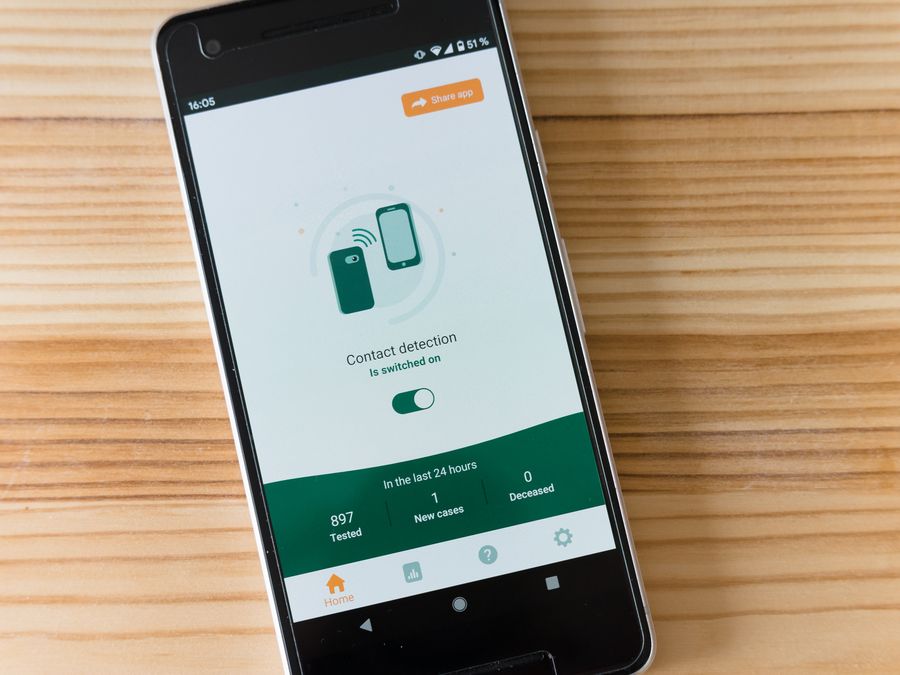
SpyBubble is a different type of monitoring tool. Unlike Cheater Buster, which searches external databases, SpyBubble is monitoring software that installs directly on a target device. This gives it access to much more personal information.
Once installed on a smartphone or tablet, SpyBubble can track various activities happening on that device. The software runs in the background and sends information to a remote dashboard where the person who installed it can view activity logs.
Installing monitoring software requires physical access to the target device in most cases. The installation process also takes up space on the phone, which connects to broader issues around managing device storage and maintaining device performance while running background applications.
SpyBubble and similar monitoring apps typically offer features like:
- Text message monitoring and logging
- Call history tracking
- GPS location tracking
- Social media activity monitoring
- Web browsing history access
- Access to photos and media files
The software works by capturing data as it flows through the device. This means it can potentially see messages, photos, and other content that users might consider private.
There are different versions of SpyBubble designed for different operating systems. Installation requirements vary depending on whether the target device runs iOS or Android. Some features may require additional steps like jailbreaking or rooting the device, which can void warranties and create security vulnerabilities.
SpyBubble markets itself toward parents who want to monitor their children’s phone usage and toward employers who need to track company-owned devices. However, the same technology is often used by partners to surveil each other—a use case that raises serious legal and ethical questions that we will explore later in this article.
Understanding what SpyBubble can access helps explain why this type of software is so controversial. It provides a level of surveillance that goes far beyond checking whether someone has a dating profile.
Cheater Buster vs. SpyBubble: Feature Comparison
Now that we understand what each tool does individually, let us compare them directly. This Cheater Buster vs SpyBubble review shows how different these tools really are, despite both being used for relationship monitoring.
Access Method
The most fundamental difference is how each tool works. Cheater Buster is a search service you access through a web browser. You never need to touch the other person’s phone or install anything on their device. SpyBubble requires installation on the target device, meaning you need physical access to that phone or tablet.
Type of Information Gathered
Cheater Buster searches for dating profiles on external platforms. It tells you whether someone appears to have accounts on dating sites, but nothing more. SpyBubble captures ongoing activity—messages, calls, locations, and more. The scope of information is dramatically different.
Neither tool can effectively monitor disappearing message apps in their truest sense. These applications are specifically designed to delete content after viewing. While SpyBubble might capture some data before it disappears, truly ephemeral content remains challenging for any monitoring software to track reliably.
Technical Requirements
Cheater Buster requires nothing beyond an internet connection and the information needed to search for someone. SpyBubble requires device access, potential modifications to the target phone, and ongoing connectivity to transmit data. SpyBubble is technically more demanding to set up and maintain.
Detection Risk
Cheater Buster cannot be detected by the person being searched because it never interacts with their devices. SpyBubble runs on the target device, which means there is always some risk of detection. Battery drain, unusual data usage, or unfamiliar apps might tip someone off.
Data Analysis Capabilities
Modern monitoring tools increasingly incorporate sophisticated analysis features. Similar to how AI-powered review tools process large amounts of social media data, some monitoring software attempts to analyze captured information for patterns or concerning content. However, automated analysis cannot replace human judgment about relationship issues.
Cost Structure
Both tools typically charge for their services, though pricing models differ. Cheater Buster often charges per search or offers subscription packages for multiple searches. SpyBubble usually operates on a subscription model based on the length of monitoring desired.
Quick Comparison
- Cheater Buster: Web-based search, no device access needed, limited to dating profile discovery, lower privacy invasion, legal in most cases
- SpyBubble: Device-based monitoring, requires installation, comprehensive surveillance capabilities, significant privacy invasion, legally questionable when used without consent
The right choice depends entirely on what someone is trying to accomplish—and whether that goal is ethical and legal in the first place.
Privacy and Legal Considerations

Before using any monitoring tool, it is essential to understand the privacy implications and legal boundaries involved. Both Cheater Buster and SpyBubble raise important questions about digital privacy rights.
Understanding how safe social media platforms are helps explain why tools like these can access certain information. Dating sites and social networks collect and store vast amounts of user data. Some of this information is publicly searchable, which services like Cheater Buster can leverage.
Legal Status of Monitoring Tools
The legal status of these tools varies significantly based on how they are used. Cheater Buster generally operates in a legal gray area because it searches publicly available information. If someone’s dating profile is visible to other users, a search service can technically find it too.
SpyBubble and similar device monitoring software face much stricter legal scrutiny. In many jurisdictions, installing monitoring software on someone’s device without their knowledge or consent is illegal. This can violate wiretapping laws, computer fraud statutes, and privacy regulations.
Resources like EFF privacy provide valuable information about digital privacy rights and the legal framework surrounding electronic surveillance. Understanding these rights is crucial before considering any monitoring tool.
Platform Policies and Data Handling
Social media platforms have their own policies about how user data can be accessed and used. The Meta Transparency Center explains how platforms like Facebook and Instagram handle user data and what protections exist. Most major platforms prohibit automated scraping or unauthorized data collection, which means some monitoring services may violate platform terms of service.
When you use monitoring tools, you should also consider online privacy concerns that affect everyone involved. The person being monitored loses privacy, but the person doing the monitoring also creates data trails and shares personal information with third-party services.
Potential Consequences
Using monitoring tools inappropriately can lead to serious consequences:
- Criminal charges for illegal surveillance
- Civil liability for invasion of privacy
- Violation of restraining orders or custody agreements
- Evidence obtained illegally may be inadmissible in court
- Relationship damage even if concerns turn out to be unfounded
Even when monitoring is technically legal, it often signals deeper relationship problems that surveillance cannot solve. Finding evidence of cheating through a monitoring app does not repair trust—it usually destroys what little trust remained.
Parental Monitoring vs. Partner Surveillance
Not all monitoring serves the same purpose. There is an important distinction between parents monitoring their children’s online activity and partners surveilling each other. These two scenarios involve very different ethical considerations and legal frameworks.
Legitimate Parental Monitoring
Parents have both the right and responsibility to protect their children from online dangers. Young people face real risks online, including predatory behavior, cyberbullying, exposure to inappropriate content, and sharing personal information with strangers.
The issue of protecting children online is recognized by legal systems around the world. Parents generally have legal authority to monitor minor children’s device usage. This does not mean unlimited surveillance is appropriate, but reasonable oversight is accepted.
Effective parental monitoring usually includes:
- Age-appropriate conversations about online safety
- Clear expectations and boundaries
- Gradual increase in privacy as children mature
- Focus on protection rather than control
- Transparency about what is being monitored and why
Organizations like Common Sense Media offer guidance for families navigating digital safety. Their resources help parents find balance between protecting children and respecting their developing need for privacy.
Partner Surveillance: A Different Story
When adults monitor each other without consent, the situation changes dramatically. Adult partners are entitled to privacy, and surveillance without agreement violates that basic right.
Secret monitoring of a partner often indicates deeper problems:
- Fundamental breakdown of trust
- Controlling or possessive behavior patterns
- Communication failures in the relationship
- Potential signs of an abusive dynamic
Even if surveillance reveals wrongdoing by a partner, the act of secret monitoring damages the relationship in its own right. It demonstrates that trust has already eroded to the point where one partner feels justified in spying on the other.
When Monitoring Becomes Abuse
In some relationships, monitoring technology becomes a tool of control and abuse. Tracking a partner’s location constantly, reading all their messages, and monitoring their every online action are forms of coercive control. These behaviors appear in patterns of domestic abuse.
If you recognize these patterns in your own relationship—whether you are the one being monitored or the one doing the monitoring—it may be time to seek outside help rather than more technology.
Alternatives and Support Resources

If you are considering monitoring tools because of relationship concerns, there are often better approaches available. Technology cannot fix trust issues, but communication, counseling, and support resources can help.
Communication First
Before turning to surveillance, consider whether direct communication might address your concerns. Many relationship problems stem from assumptions and misunderstandings that honest conversation can resolve.
Approaching a partner about concerns—rather than secretly monitoring them—gives the relationship a chance to heal. It also respects both parties as adults capable of working through difficult issues together.
Better understanding social media behavior can help contextualize what you observe online. People interact with social platforms in many different ways, and behavior that seems suspicious might have innocent explanations.
Professional Counseling
Relationship counselors and therapists specialize in helping couples work through trust issues. A professional can provide neutral ground for difficult conversations and teach communication skills that improve understanding.
Individual therapy can also help if you find yourself frequently suspicious or anxious about your partner’s behavior. Sometimes these feelings relate more to personal history than current relationship reality.
Research published through APA social media research explores how social media affects relationships and mental health. Understanding these dynamics can provide useful context for relationship concerns.
Support for Unhealthy Relationships
Sometimes monitoring behavior is a symptom of a relationship that has become unhealthy or abusive. If you feel the need to monitor a partner, or if a partner monitors you, this may indicate a relationship dynamic that requires outside support.
The National DV Hotline provides confidential support for anyone affected by relationship abuse. They can help you understand whether certain behaviors—including surveillance—are signs of an unhealthy dynamic.
Signs that a relationship may need outside help include:
- Constant checking of your location or messages
- Controlling who you can talk to or spend time with
- Accusations of cheating without evidence
- Fear of your partner’s reactions
- Isolation from friends and family
Moving Forward
Whatever your situation, remember that technology is just a tool. It cannot create trust, heal wounds, or replace genuine connection. If your relationship needs help, seek that help from people—counselors, trusted friends, support organizations—rather than from apps.
This Cheater Buster vs SpyBubble review has covered the technical differences between these tools, but the more important question is whether using them serves your wellbeing. In most cases, the answer involves stepping away from surveillance and toward healthier approaches to relationship concerns.
If you choose to use any monitoring tool, do so with full awareness of the legal requirements, ethical implications, and potential consequences. And if monitoring reveals problems in your relationship, consider what steps would actually improve your situation—because more monitoring rarely makes things better.