




If you’re a photographer looking to share your work with the world, you’ve probably noticed that social media has become essential. But with so many platforms to choose from, it can feel overwhelming to figure out where to focus your efforts. The good news is that you don’t have to pick just one.
Instagram social media photography is at the heart of how many photographers build their online presence today. Instagram offers a visual-first experience that naturally suits photography, but using it alongside other platforms can help you reach more people and grow your brand in ways that a single platform simply can’t.
In this guide, you’ll learn how to use Instagram as your central photography hub while integrating other social media platforms to expand your reach. We’ll cover everything from building a consistent visual brand to selling your work and protecting your content. Whether you’re a hobbyist or a professional, these strategies can help you build a photography presence that stands out.
Why Photographers Need Multiple Social Platforms
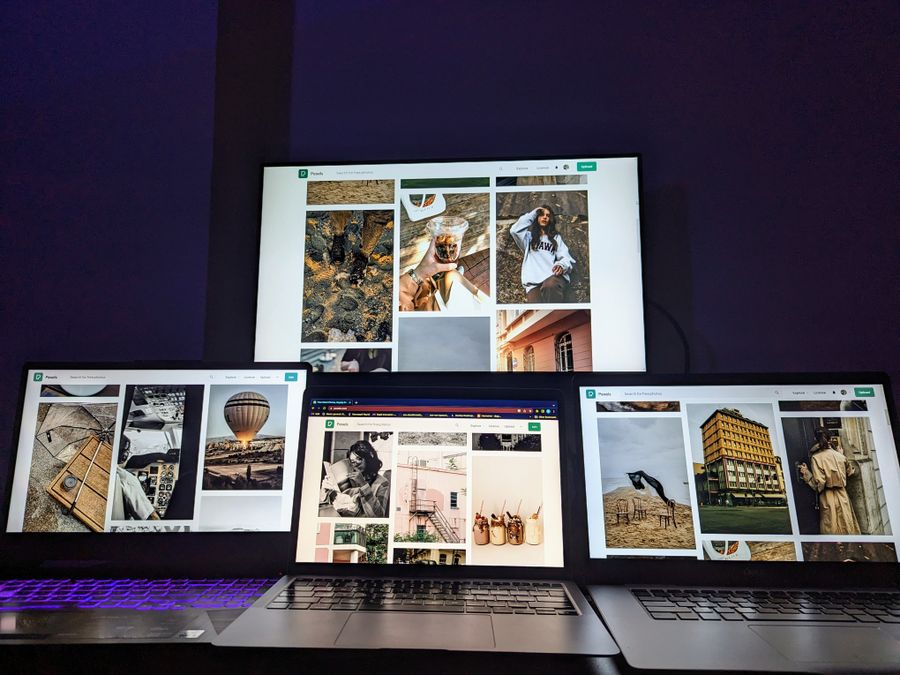
Relying on a single social media platform puts all your eggs in one basket. Algorithms change, features get updated, and sometimes accounts face unexpected issues. By spreading your presence across multiple platforms, you create a safety net and open doors to different audiences.
Each platform attracts its own type of user. Instagram tends to draw people looking for polished visual content and quick inspiration. Pinterest attracts users searching for ideas and planning projects. Twitter (now X) and Facebook help you engage in conversations and share longer thoughts. By exploring different photography social platforms, you can connect with people who might never find you on Instagram alone.
A multi-platform approach also helps you drive traffic back to your main portfolio or website. When someone discovers your work on Pinterest and then follows you on Instagram, they’re becoming a more engaged follower. Understanding social media and SEO integration can help you see how your social presence supports your overall online visibility.
Think of each platform as a different gallery showing your work. Some visitors might prefer one gallery over another, but together they all contribute to building your reputation as a photographer. The more places people can find you, the more opportunities you create for growth.
Building a Consistent Visual Brand Across Platforms

When people see your work on different platforms, they should recognize it as yours. This is where visual branding comes in. A consistent look and feel across Instagram, Pinterest, and other platforms helps people remember you and builds trust in your photography brand.
Start by choosing a color palette that represents your style. Do you shoot bright and airy images, or do you prefer moody, dark tones? Your colors should reflect the mood of your photography. Understanding color psychology in visual branding can help you make choices that connect with your audience on an emotional level.
Your profile elements should also match across platforms. Use the same profile photo, ideally a professional headshot or your logo. Write a similar bio that clearly states what kind of photography you do and who you serve. Keep your username consistent or as close as possible so people can find you easily.
Creating templates for your posts can save time and reinforce your brand. AI design tools for solo creators make it easy to create graphics, story templates, and promotional materials that all look cohesive. Even simple elements like using the same font or border style can tie your content together.
Maintaining a strong social media presence means being recognizable wherever people encounter you. When your branding is consistent, switching between platforms feels seamless for your followers. They know what to expect from you, and that familiarity encourages them to engage with your content more often.
Remember that consistency doesn’t mean being boring. You can still experiment with different types of content while keeping your overall visual identity intact. The goal is to make your work instantly recognizable while still keeping things fresh and interesting.
Making Instagram Your Photography Hub

Instagram is a natural home for photographers. Its focus on visual content makes it ideal for showcasing your work, and its features give you multiple ways to connect with your audience. Making Instagram your central hub means using it as the anchor point for your social media strategy.
Your Instagram grid is like a portfolio. Think carefully about how your images look together. Many photographers use a cohesive editing style or color theme to make their grid visually appealing. When someone visits your profile, they should get a clear sense of your style within seconds.
Instagram Stories let you share behind-the-scenes content, quick updates, and more casual moments. This is where you can show your personality and let followers feel like they know you. Stories disappear after 24 hours, making them perfect for content that doesn’t need to stay on your profile permanently.
Reels have become essential for reaching new audiences. These short videos can showcase your creative process, before-and-after edits, or quick photography tips. Adding voiceovers can make your Reels more engaging, and AI voice tools for Instagram creators can help you create professional-sounding narration easily.
One of the most important parts of using Instagram is engaging with followers through comments, direct messages, and interactive features like polls and question stickers. Responding to comments and messages builds relationships with your audience. These connections often lead to referrals, collaborations, and even paying clients.
Use your Instagram bio to direct people to your other platforms and your portfolio. A link-in-bio tool can help you share multiple links, making it easy for visitors to explore more of your work.
Expanding to Pinterest and Alternative Platforms

While Instagram is great for engagement, Pinterest works differently. It’s a search and discovery platform where people look for ideas and inspiration. For photographers, this means your images can be found by people planning weddings, home renovations, travel trips, and countless other projects.
Setting up a Pinterest Business account gives you access to analytics and tools designed to help you grow. You can create boards organized by theme, such as “Wedding Photography Ideas” or “Landscape Photography Inspiration.” Each pin can link back to your website or Instagram, driving traffic to your other platforms.
Pinterest content has a longer lifespan than Instagram posts. An image you pin today can continue getting views and saves for months or even years. This makes Pinterest an excellent platform for building passive visibility over time.
Beyond Pinterest, consider other platforms that might suit your photography style. YouTube is perfect if you enjoy creating longer-form video content like tutorials or vlogs. Twitter can help you join conversations in the photography community and share quick thoughts. LinkedIn works well for commercial and corporate photographers looking to connect with business clients.
Don’t overlook ephemeral content apps like Snapchat for sharing behind-the-scenes moments and connecting with younger audiences. These platforms might not be your main focus, but they can add another layer to your online presence.
The key is to choose platforms that align with your goals and the type of photography you do. You don’t need to be everywhere at once. Start with two or three platforms and expand as you get comfortable managing them.
Cross-Platform Promotion Strategies
Once you’re active on multiple platforms, the next step is connecting them through smart cross-promotion. This doesn’t mean posting the exact same content everywhere. Instead, it means adapting your content for each platform while guiding your audience between them.
Repurposing content saves time and extends the life of your work. A photo shoot might become an Instagram grid post, a behind-the-scenes Reel, a Pinterest pin, and a YouTube video tutorial. Each piece of content serves a different purpose while all pointing back to the same body of work.
Mention your other platforms in your content. In an Instagram Story, you might say “Check out my Pinterest for more wedding inspiration.” In a YouTube video description, include links to your Instagram and website. These small mentions add up over time and help your followers discover all the places they can find you.
Working with other creators is another powerful way to grow. Collaborating with influencers or fellow photographers can introduce your work to new audiences. Guest appearances, joint projects, or simple shoutouts create mutual benefits for everyone involved.
If you’re interested in live streaming, you can cross-promote on Twitch using Instagram to build an audience for photography-related streams. Live editing sessions, Q&A streams, or photo walks can attract viewers who enjoy watching the creative process in real time.
Keep track of what works. Pay attention to which cross-promotion tactics bring the most new followers or engagement. Over time, you’ll develop a system that fits your workflow and helps you grow efficiently.
Selling Photography Through Social Channels
Social media isn’t just for building an audience—it’s also a place where you can sell your work directly. Many platforms now offer built-in shopping features that make it easier than ever to turn followers into customers.
Instagram has evolved into a powerful sales tool for photographers. You can tag products in your posts and Stories, letting followers tap to purchase prints, presets, or other products. Learning how to use Instagram shopping features can help you set up a seamless buying experience for your audience.
Your content itself acts as marketing. When you share a beautiful landscape photo, you’re also showing potential buyers what they could hang on their walls. Add gentle calls to action in your captions, such as “This print is available in my shop—link in bio.” Don’t be pushy, but don’t be shy about letting people know your work is for sale.
Consider offering exclusive products or discounts to your social media followers. This gives people a reason to follow you and stay engaged. Limited-edition prints, early access to new collections, or follower-only promo codes can all drive sales while making your audience feel special.
Services can also be promoted through social media. If you do portrait sessions, wedding photography, or commercial work, your Instagram feed serves as your portfolio. Potential clients often browse your recent work before reaching out, so make sure your best images are easy to find.
Pinterest can also drive sales, especially for printable products and gift items. Pins that link directly to your shop can bring in buyers who discover your work through searches. The visual nature of Pinterest makes it a natural fit for photography products.
Protecting and Backing Up Your Photography Content
Your photos are valuable, and losing them would be devastating. That’s why having a solid backup strategy is essential for any photographer active on social media.
Start by keeping original copies of all your images on your computer and at least one external drive. Cloud storage services add another layer of protection by keeping your files safe even if your devices fail. Having multiple backups in different locations is the safest approach.
Social media platforms compress images and sometimes change how content is stored. Never rely on Instagram or any other platform as your only copy of an image. Always keep the original files somewhere you control.
If you use a phone to take and edit photos, make sure those images are backed up too. Learn how to protect your Instagram photos and videos by setting up automatic backups and knowing your recovery options. Phones get lost, damaged, or stolen, and having a backup plan means you won’t lose your work.
Consider watermarking your images before posting them online. While this won’t stop determined thieves, it can discourage casual image theft and helps identify your work if it’s shared without credit. Keep watermarks subtle enough that they don’t distract from the image itself.
Regularly download your data from social media platforms. Most platforms offer a download feature that lets you save all your posts, stories, and account information. Doing this periodically ensures you have a record of everything you’ve shared.
Growing Your Photography Brand Over Time
Building a successful photography brand on social media takes time. Growth doesn’t happen overnight, and that’s okay. The photographers who succeed are the ones who stay consistent and adapt to changes along the way.
Set realistic goals for yourself. Maybe you want to gain a certain number of followers, book a specific type of client, or sell a set number of prints. Having clear goals helps you measure progress and stay motivated when growth feels slow.
Stay consistent with your posting schedule. You don’t need to post every day, but you should show up regularly enough that your audience doesn’t forget about you. Find a rhythm that works for your lifestyle and stick with it.
Keep learning about the platforms you use. Social media changes constantly, with new features and algorithm updates rolling out regularly. Following platform updates and adapting your strategy helps you stay relevant and take advantage of new opportunities.
Engage genuinely with your community. Comment on other photographers’ work, participate in conversations, and support fellow creators. Building real relationships within your niche creates a network of people who will support your growth.
Don’t compare yourself too harshly to others. Every photographer’s journey is different, and what works for someone else might not work for you. Focus on improving your own skills and serving your audience well.
Finally, remember why you started. Photography is about capturing moments and creating something meaningful. Social media is a tool to share that work with the world, but the real value lies in the images themselves. Keep creating, keep sharing, and trust that your audience will grow as you continue to improve your craft.