


If you run a small business or create content on Instagram, you’ve probably received a strange message at some point. Maybe it was a “brand deal” that seemed too good to be true. Perhaps someone claimed your account violated guidelines and needed “verification.” Or maybe a friendly stranger offered to help you grow your following for a small fee.
These situations happen every day, and unfortunately, many of them are scams. Instagram scams small businesses creators face can range from annoying spam to serious fraud that costs real money and damages reputations. The good news is that once you know what to look for, you can protect yourself and your account much more effectively.
This guide walks you through the most common scams targeting small businesses and creators on Instagram, explains how to recognize warning signs, and gives you practical steps to keep your account safe. Whether you’re selling handmade products, offering services, or building an audience around your content, understanding these threats helps you stay one step ahead of scammers.
Why Scammers Target Small Businesses and Creators
You might wonder why scammers bother going after small accounts instead of focusing on big brands with deep pockets. The answer comes down to a few key factors that make smaller accounts attractive targets.
First, small businesses and creators often manage their own accounts without dedicated security teams. A large corporation might have IT staff monitoring for threats around the clock, but a solo entrepreneur handling their own social media is more likely to make a quick decision without verifying everything first. Scammers know this and craft their messages to create urgency that pushes people toward hasty choices.
Second, there’s the matter of trust. Understanding why followers trust creators on Instagram also reveals why scammers find these accounts valuable. When someone builds a genuine relationship with their audience, that trust becomes something criminals can exploit. If a scammer takes over a creator’s account, they can use that established credibility to defraud followers directly.
Third, small businesses often handle payments, customer information, and supplier relationships through Instagram. This makes business accounts particularly valuable targets because compromising one account can lead to multiple financial opportunities for criminals.
Finally, many small businesses and creators are still learning the platform. They might not be familiar with all of Instagram’s official processes, making them more susceptible to fake notices about policy violations, verification opportunities, or account issues. Scammers take advantage of this knowledge gap to make their schemes seem legitimate.
Common Scams Targeting Small Businesses

Small businesses on Instagram face several specific scam types designed to exploit how they operate. Being aware of these patterns helps you recognize them before they cause harm.
Fake Payment Requests
One of the most damaging scams involves fake payment requests. A scammer might pose as a customer who wants to place a large order but has trouble with payment. They’ll ask you to click a link or provide information to “resolve” the issue. In reality, they’re either trying to steal your financial details or trick you into sending them money directly.
Some variations involve overpayment schemes where someone “accidentally” sends too much money and asks you to refund the difference. By the time you discover the original payment was fraudulent, you’ve already sent real money back to the scammer.
Phony Supplier Offers
If you sell physical products, you might receive messages from supposed suppliers offering incredible deals on inventory. These scammers often create professional-looking accounts and websites. They’ll request payment upfront for products that never arrive, leaving you without money or merchandise.
As Instagram shopping features continue to expand, more scammers are creating fake wholesale or dropshipping opportunities specifically targeting small businesses trying to stock their shops.
Verification Fee Scams
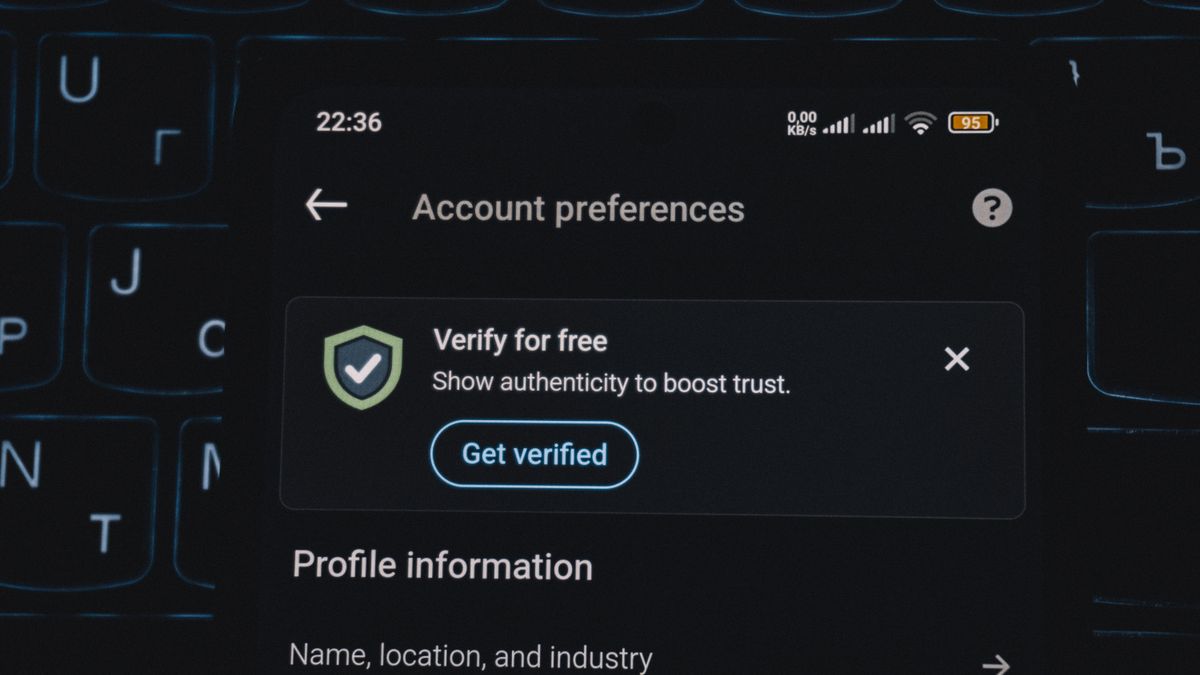
Many small business owners want the blue verification badge because it adds credibility. Scammers exploit this desire by offering to help you get verified for a fee. They might claim to have insider connections at Instagram or access to a special application process.
In truth, Instagram’s verification process doesn’t involve paying anyone. These scammers simply take your money and disappear, or worse, they use the application process as a way to collect your login credentials.
Copyright Claim Threats
Another common approach involves fake copyright violation notices. You’ll receive a message claiming you’ve used someone’s content without permission and that your account will be suspended unless you click a link to dispute the claim. That link leads to a fake login page designed to steal your password.
To stay informed about current scam patterns and learn how to report fraud, you can visit FTC Scam Alerts for updated information on schemes affecting businesses.
Scams Aimed at Instagram Creators
Content creators face their own unique set of scams, often designed around the desire for brand partnerships and audience growth.
Fake Brand Deals
The most common creator scam involves fake sponsorship offers. You receive a direct message from someone claiming to represent a well-known brand, offering payment for posts. The message might look professional, complete with brand logos and seemingly legitimate email addresses.
These scams typically unfold in one of several ways. The fake brand might ask you to purchase products first, promising reimbursement that never comes. They might request your banking details to “set up payment” and use that information for fraud. Or they might send you a contract with a link that installs malware or steals your login credentials.
Impersonation Schemes
Scammers sometimes create accounts that impersonate real brands or even other creators. They might copy profile pictures, bios, and posting styles to seem authentic. These impersonators then reach out to creators with fake opportunities or try to trick followers into sending money or information.
If someone contacts you about a brand deal, always verify the opportunity through official channels. Look up the brand’s verified account and contact them directly rather than responding to unsolicited messages.
Fake Giveaway Scams
Another scheme involves messages telling you that you’ve won a giveaway or been selected for a special opportunity. To claim your prize, you need to provide personal information, click a link, or pay a small processing fee. Legitimate giveaways don’t work this way.
When evaluating any growth opportunity, it helps to understand the difference between scams and legitimate Instagram growth services that operate transparently and don’t ask for your password or upfront payments for fake followers.
Fake Growth Services and Bot Followers
The promise of quick follower growth attracts many small businesses and creators, and scammers know exactly how to exploit this desire.
How Fake Growth Services Work
These services typically promise thousands of new followers for a small fee. What they deliver instead are bot accounts—fake profiles that don’t engage with your content and may disappear entirely when Instagram removes them in routine cleanups.
Some services ask for your login credentials, claiming they need account access to deliver followers. This gives them full control of your account, which they might use to send spam, promote scams to your existing followers, or simply lock you out.
The Real Costs of Fake Followers
Beyond the money you pay, fake followers damage your account in several ways. Your engagement rate drops because bot accounts don’t like, comment, or share your posts. This hurts your visibility in the algorithm and makes your account less attractive to real brands looking for partnerships.
Instagram also penalizes accounts that use artificial inflation tactics. You might face reduced reach or even account suspension if the platform detects unusual follower activity.
Identifying Bot Accounts
If you suspect you have fake followers, look for common signs: accounts with no profile pictures, generic or random usernames, no posts of their own, and following thousands of accounts while having few followers themselves.
One helpful approach involves tracking unfollowers and fake accounts over time to spot patterns in your follower list. You can also audit your follower quality to evaluate whether the people following you match your target audience and show genuine interest in your content.
How to Spot Scam Messages and Links
Learning to identify scam messages before you click or respond is your best defense. Here are practical tips for recognizing threats.
Red Flags in Direct Messages
Watch for messages that create artificial urgency. Phrases like “act now,” “your account will be suspended in 24 hours,” or “limited time offer” are designed to prevent you from thinking carefully. Legitimate companies and Instagram itself give you reasonable time to respond to real issues.
Poor grammar and spelling often indicate scam messages, though sophisticated scammers may produce polished text. Pay more attention to what they’re asking for: login credentials, payment information, or clicks on external links should always raise suspicion.
Be skeptical of unsolicited messages, especially those offering money or opportunities you didn’t seek out. Real brand partnerships usually happen after established communication or through official influencer platforms.
Examining Suspicious Links
Before clicking any link, hover over it or long-press on mobile to see the actual URL. Scammers often use addresses that look similar to legitimate sites but include subtle differences, like “lnstagram.com” instead of “instagram.com” or added words like “instagram-verify.com.”
If you’re unsure about a link, you can check it using Google Safe Browsing to see whether it’s been flagged as dangerous. This quick step can prevent you from landing on a phishing page.
Verifying Sender Identity
When someone claims to represent a brand or Instagram itself, take time to verify their identity. Check if the account that messaged you has a verification badge. Look at their follower count, posting history, and when the account was created. Scam accounts are often new and have minimal authentic activity.
Remember that Instagram communicates about account issues through official emails sent to the address connected to your account, not through direct messages. If you receive a DM about account problems, it’s almost certainly a scam.
Protecting Your Instagram Account from Scams
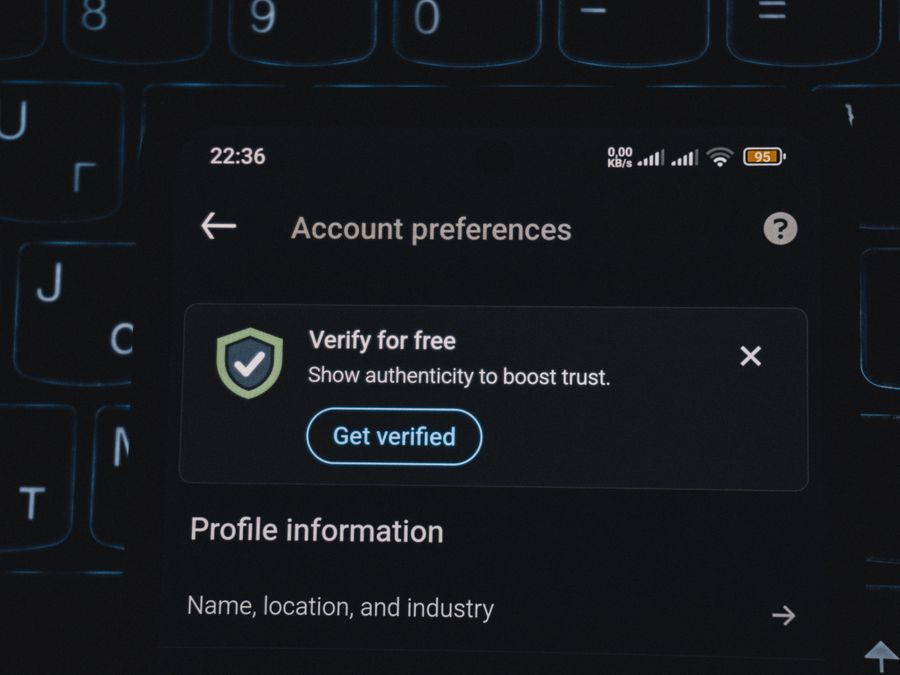
Taking proactive security measures significantly reduces your risk of falling victim to scams. Here are essential steps every small business and creator should take.
Enable Two-Factor Authentication
Two-factor authentication adds an extra layer of security to your account. Even if someone obtains your password, they can’t log in without the secondary code sent to your phone or generated by an authenticator app.
Set this up in your account settings by going to Security and selecting Two-Factor Authentication. Using an authenticator app is generally more secure than SMS codes, which can be intercepted through SIM-swapping attacks.
Review Your Privacy and Security Settings
Take time to understand and configure your Instagram safety and privacy settings properly. Limit who can message you directly, control who can tag you in posts, and review which third-party apps have access to your account.
Regularly check your login activity to see where your account is currently signed in. If you notice unfamiliar devices or locations, change your password immediately and log out of all sessions.
Check for Data Breaches
Your Instagram security is only as strong as your email security. If your email address or passwords have appeared in data breaches, scammers may have access to credentials you’ve used elsewhere.
Use Have I Been Pwned to check if your email has been exposed in known breaches. If it has, change passwords on any affected accounts and make sure you’re using unique passwords for different services.
Use Strong Passwords and Password Managers
Your Instagram password should be unique—not used for any other account—and complex enough to resist guessing. A password manager helps you create and store strong passwords without needing to remember each one.
Avoid using personal information like birthdays, pet names, or anything easily found on your public profiles in your passwords.
Protect Your Devices
If you primarily work from your phone, consider using VPNs for mobile security when connecting to public Wi-Fi networks. This helps protect your data from interception when you’re working from coffee shops or other public spaces.
Keeping your devices protected with antivirus software adds another layer of defense against malware that might come from clicking scam links. You can read a Bitdefender review to learn about one option for protecting your devices from malicious software linked to scam websites.
Be Careful With Third-Party Apps
Many scams arrive through third-party apps that request access to your Instagram account. Only authorize apps from trusted developers, and regularly review which apps have permission to access your data. Revoke access from any apps you no longer use or don’t recognize.
Managing Scam Comments and Reporting Fraud
Even with good security practices, you’ll likely encounter scam comments on your posts or receive fraudulent messages. Knowing how to handle these situations protects both you and your audience.
Dealing With Scam Comments
Scammers often target business accounts by posting comments that appear to offer help or opportunities but actually lead followers to fraudulent accounts or websites. Common examples include comments about cryptocurrency investments, work-from-home schemes, or “DM me for collaborations” from suspicious accounts.
Instagram offers tools to filter and manage these comments. You can hide suspicious comments on Instagram using built-in filters that catch common spam phrases or by manually hiding comments from specific users.
Setting up a blocked words list helps automatically hide comments containing terms commonly used in scams. You can also limit comments to people who follow you or restrict commenting entirely on specific posts.
Reporting Scam Accounts
When you encounter a scam account, reporting it helps protect others. Tap the three dots on the profile or message and select “Report.” Choose the appropriate reason, such as “It’s spam” or “Scam or fraud.”
Instagram reviews reports and removes accounts that violate their policies. While they may not respond to individual reports, enough reports from different users typically result in action against fraudulent accounts.
Recovering From a Compromised Account
If your account has been hacked, act quickly. Try to log in and change your password immediately. If you can’t access your account, use Instagram’s recovery options to verify your identity and regain control.
For detailed guidance on recovering a compromised account or reporting scams, visit the Meta Help Center where you’ll find official instructions for various account security situations.
After recovering your account, review your security settings, change your password, enable two-factor authentication if you haven’t already, and revoke access from any unfamiliar third-party apps.
Warning Your Audience
If scammers gained access to your account and contacted your followers, consider posting a public message explaining what happened. Let your audience know that any messages sent during the compromised period weren’t from you, and advise them not to click any links or provide information in response to those messages.
This transparency helps maintain trust with your followers and reduces the chances of them falling victim to scammers using your compromised account.
Instagram scams small businesses creators encounter will continue to evolve as scammers develop new tactics. By staying informed about current threats, implementing strong security measures, and knowing how to respond when you encounter suspicious activity, you can protect your account, your business, and your audience from fraud. The time you invest in security now pays off by preventing costly and stressful problems down the road.