


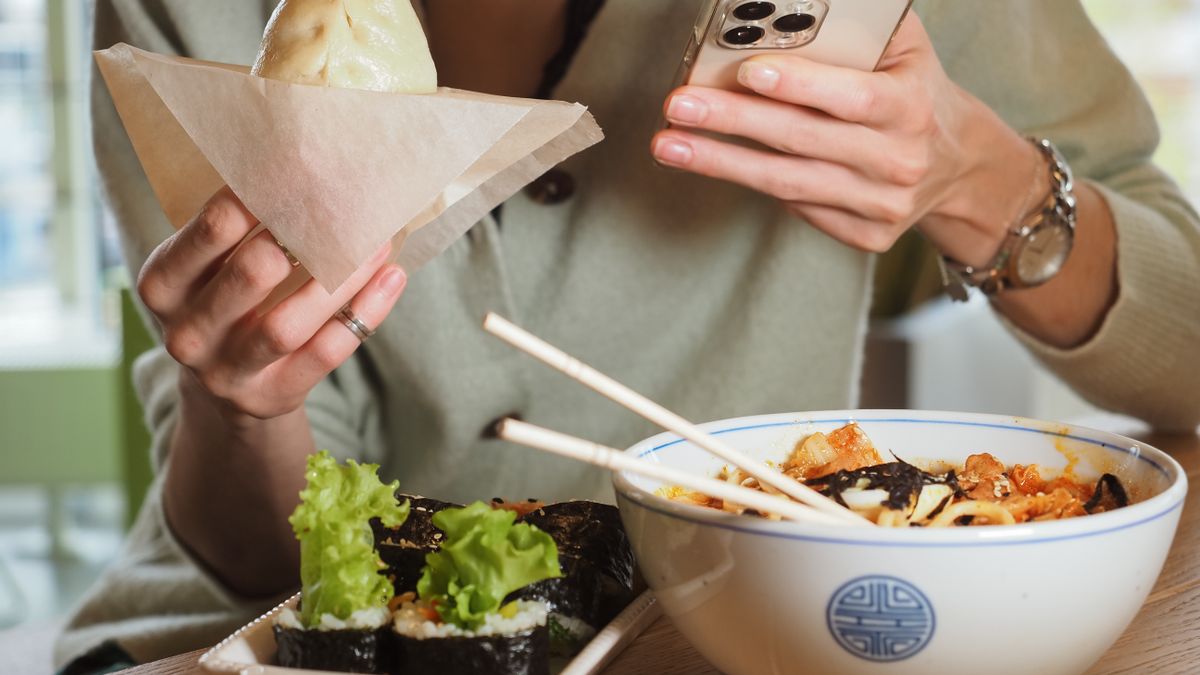

The way people find places to eat has changed dramatically. Not long ago, diners relied on word of mouth, newspaper reviews, or simply walking past a restaurant that looked appealing. Today, many people pull out their phones and scroll through photos of dishes before deciding where to spend their money.
Instagram for restaurants has become one of the most important tools for attracting new customers. When someone sees a beautiful plate of food or a cozy dining room on their feed, they start thinking about making a reservation. This visual-first approach to discovery means restaurants need to show up where potential customers are already looking.
Whether you run a small café or a full-service restaurant, understanding how to use Instagram effectively can bring more diners through your doors. This guide covers everything from setting up your profile to creating content that makes people hungry to integrating social media with your day-to-day operations.
Why Diners Discover Restaurants on Instagram First

Food is inherently visual. Unlike many other businesses, restaurants sell an experience that looks as good as it tastes. This makes Instagram a natural fit for the industry.
When someone is planning a night out or looking for a new lunch spot, they often start by browsing photos. They want to see what the food actually looks like on the plate, not just read a description on a menu. They want to glimpse the atmosphere—the lighting, the table settings, and the overall vibe of the space.
This visual browsing happens before potential customers even consider making a decision. By the time someone reaches a traditional booking tool like OpenTable, they have often already formed an impression based on what they saw on social media. The discovery phase happens on Instagram, and the booking happens afterward.
Younger diners especially rely on visual platforms to find new restaurants. They trust photos from real customers and the restaurant’s own account more than traditional advertising. When a friend shares a post from a restaurant, it carries more weight than a billboard or a radio ad.
For restaurant owners, this shift means the “front door” has moved. Your physical entrance still matters, but many customers form their first impression long before they arrive. They see your account, scroll through your posts, and decide if the experience looks worth their time and money.
This visual-first discovery also means that restaurants without a strong Instagram presence may be invisible to a significant portion of potential customers. People cannot choose what they cannot see. Building a compelling visual presence is no longer optional—it is part of running a successful restaurant in the modern dining landscape.
Setting Up a Restaurant Instagram Profile
Creating an effective Instagram profile starts with the basics. Your username should be easy to remember, easy to spell, and clearly connected to your restaurant’s name. If your restaurant is called “Sunny Side Café,” a username like @sunnysidecafe is ideal. Avoid underscores, numbers, or abbreviations that confuse people.
Spend time choosing the right Instagram username because changing it later can confuse followers and hurt your discoverability. If your preferred name is taken, try adding your city or a short descriptor. For example, @sunnysidecafe_boston keeps things clear while differentiating you from similar names elsewhere.
If you are struggling to find an available handle, Instagram name generator tools can help you brainstorm creative alternatives that still represent your brand well.
Once you have a username, convert your account to a business profile. The Instagram for Business platform gives you access to important features that personal accounts lack. You get analytics to see which posts perform best, the ability to add contact buttons so customers can call or message directly, and the option to run paid promotions when you are ready.
Your bio should clearly communicate what you offer and where you are located. Include your cuisine type, neighborhood, and hours if space allows. A link to your website, menu, or reservation page belongs here as well. Keep the language simple and direct—people glance at bios quickly and move on.
Your profile picture should be recognizable at a small size. Many restaurants use their logo. If your logo is text-heavy and hard to read when shrunk, consider a simplified version or a visual element from your branding.
Complete every field Instagram offers for business accounts. Add your address so people can get directions, include a phone number, and select the correct business category. These details help people find you when they search and make it easy to take action once they decide to visit.
Taking time to set up your profile correctly from the start saves you from having to fix things later and makes your account look professional from day one.
Creating Food Content That Draws Customers
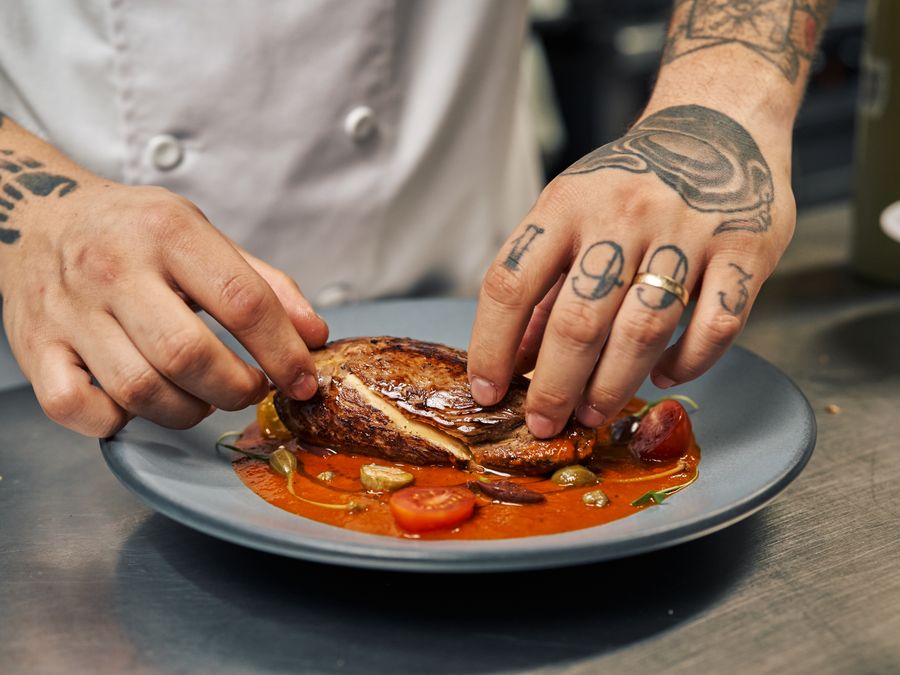
Good food photos do not require professional equipment. A smartphone camera is more than capable of producing appealing images if you follow a few basic principles.
Natural light is your best friend. Photograph dishes near a window during daytime hours when soft, even light makes colors look true and textures pop. Avoid overhead fluorescent lights or harsh flash, which flatten details and create unappealing color casts.
Angle matters too. Some dishes look best from directly above, showing off patterns and arrangements. Others benefit from a side angle that captures height and layers, like a towering burger or a slice of layered cake. Experiment to see what works for each item on your menu.
Keep backgrounds clean and uncluttered. A simple wooden table or a plain plate lets the food remain the focus. Busy backgrounds distract from what you are trying to showcase.
Plan your content in advance rather than scrambling to post at the last minute. Batch-shooting several dishes at once and saving Instagram drafts helps you maintain a consistent posting schedule without daily stress. You can prepare posts during slow periods and have them ready when you need them.
Before anything goes live, double-check your captions for typos and make sure the images look correct. While editing posts after publishing is possible, getting things right the first time maintains your professional image and saves you the trouble of making corrections.
Beyond food shots, show what makes your restaurant unique. Behind-the-scenes glimpses of your kitchen, photos of your team, or shots of your dining room during service all help tell your story. People want to see the personality behind the plates.
Consistency in visual style—similar lighting, colors, and editing—makes your feed look cohesive and helps build a recognizable brand.
Using Instagram Features for Restaurant Marketing
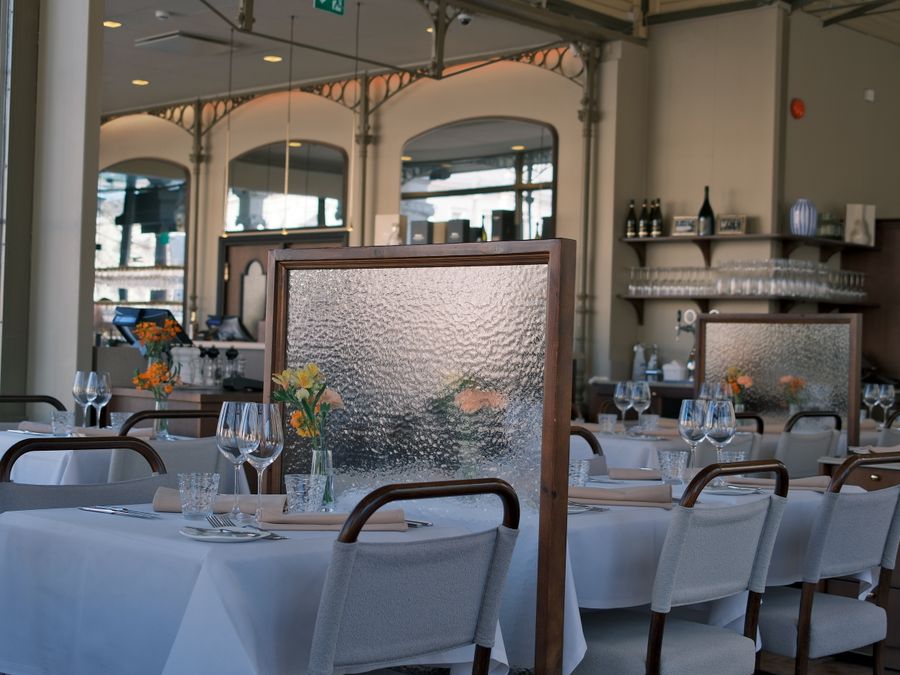
Instagram offers more than just photo posts. Taking advantage of different features helps you reach customers in multiple ways.
Stories disappear after 24 hours, making them perfect for timely updates. Share daily specials, announce sold-out items, or show quick behind-the-scenes moments. Stories feel casual and immediate, which builds a sense of connection with your audience. Use polls and question stickers to interact directly with followers and gather feedback.
Reels are short videos that can reach people beyond your existing followers. A quick clip of a chef plating a signature dish, a tour of your restaurant’s interior, or a time-lapse of prep work can attract new viewers who have never heard of your restaurant. The algorithm tends to show Reels to broader audiences, making them useful for discovery.
If you sell merchandise, gift cards, or packaged goods, Instagram Shopping features let customers browse and buy without leaving the app. This streamlines the path from seeing something they want to actually purchasing it.
Building a strong presence on Instagram works best as part of a broader online strategy. Claiming your listing on platforms like Yelp for Business ensures customers can find consistent information about your restaurant across multiple channels. When your hours, photos, and details match everywhere, it builds trust.
Highlights let you save Stories permanently at the top of your profile. Create categories like “Menu,” “Events,” “Reviews,” and “Behind the Scenes” so new visitors can quickly explore what you offer. This organized approach makes your profile more useful for people discovering you for the first time.
Instagram Live allows real-time interaction with followers. Some restaurants host cooking demonstrations, Q&A sessions with chefs, or virtual tours. Live content feels spontaneous and creates opportunities for genuine engagement.
Connecting Instagram to Restaurant Operations
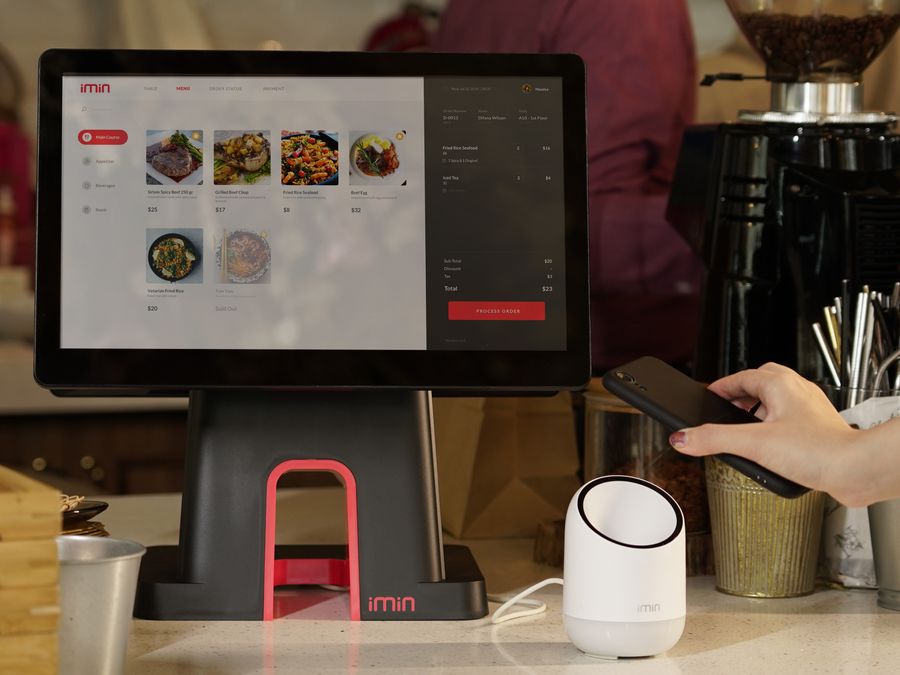
A strong social media presence works best when it connects to the rest of your restaurant’s technology. Integration between platforms reduces manual work and creates a smoother experience for both staff and customers.
Many restaurants now use modern point-of-sale systems that do more than process payments. A cloud based POS connects your ordering, inventory, and sales data in one place. When customers place orders through your website or delivery partners, everything flows into the same system. This kind of integration means less re-entering information and fewer errors.
Similarly, Toast POS is another option restaurants use to manage orders, track sales, and handle payments across multiple channels. When your technology works together, you spend less time on administrative tasks and more time focused on hospitality.
Instagram for restaurants can drive traffic to online ordering, reservation pages, or your website menu. Use the link in your bio strategically. Some restaurants use link aggregator pages that let you share multiple destinations from a single bio link. This makes it easy for customers to find reservations, ordering, gift cards, and more without you having to constantly swap out the link.
Track which posts drive the most website visits or reservation clicks. Instagram’s built-in analytics show you impressions, reach, and profile visits. Combining this data with your reservation system or online ordering reports helps you understand what content actually brings in business.
Consider adding a QR code on printed materials that leads to your Instagram. Table tents, receipts, and takeout bags can all encourage customers to follow you after their visit. Growing your follower base with actual customers means more engaged audiences who are likely to return.
Responding to direct messages promptly matters too. Potential customers often reach out with questions about reservations, dietary accommodations, or private events. Treating your Instagram inbox like a customer service channel shows people you are attentive and professional.
When social media connects with your operations instead of sitting separate from them, it becomes a more powerful tool for driving actual business results.
Learning From Other Hospitality Businesses
Restaurants are not the only hospitality businesses using Instagram effectively. Looking at how hotels, event venues, and other related industries approach social media can offer useful lessons.
Hotels, for example, often showcase their spaces in ways that help potential guests imagine themselves there. They highlight amenities, room designs, and surrounding attractions. Restaurants can take a similar approach by showing not just food, but the full experience—comfortable seating, beautiful decor, and happy diners enjoying their meals.
Understanding how hospitality businesses using Instagram attract and engage customers helps restaurants think beyond just posting food photos. The goal is to sell an experience, not just a meal. What does it feel like to spend an evening at your restaurant? What makes it different from eating at home or grabbing fast food?
Event-focused businesses often use Instagram to fill their calendars. Hotels promoting room blocks for weddings or conferences show how visual content drives group bookings. Restaurants can apply similar thinking to private dining, catering inquiries, and special events.
Collaborations with local businesses also work well in hospitality. Hotels partner with nearby restaurants for guest recommendations, and restaurants can partner with hotels, local attractions, or event planners. Cross-promotion exposes each business to the other’s audience.
Pay attention to what works for hospitality brands you admire, even outside the restaurant industry. Borrow ideas that fit your brand and adapt them to your context. Learning from others saves time and helps you avoid common mistakes.
Protecting Your Restaurant Account
As your Instagram presence grows, so does the risk of attracting unwanted attention. Scammers target business accounts, and restaurants are no exception.
Be cautious of direct messages offering suspicious deals, fake partnership opportunities, or requests for personal information. Scammers often impersonate brands or influencers, promising exposure in exchange for money or account access. Learning about Instagram scams targeting small businesses helps you recognize red flags before they cause damage.
Enable two-factor authentication on your account. This adds a layer of security by requiring a code from your phone whenever someone tries to log in from a new device. Even if someone guesses your password, they cannot access your account without that second step.
Use a strong, unique password that you do not reuse elsewhere. Avoid obvious choices like your restaurant name or common words. A mix of letters, numbers, and symbols makes it much harder for someone to break in.
Limit who has access to your Instagram account. If multiple staff members post content, use a social media management tool that allows different permission levels rather than sharing the main login credentials with everyone. When an employee leaves, you do not have to worry about changing passwords.
Regularly review connected apps and revoke access for anything you no longer use. Old integrations can become security vulnerabilities.
Taking a few simple precautions protects the presence you have worked hard to build. Recovering from a hacked account is stressful and can damage customer trust, so prevention is always better than dealing with problems after they happen.
Growing With Professional Help
Running a restaurant is demanding. Between managing staff, ordering inventory, and serving customers, finding time to create and post Instagram content can feel overwhelming. At some point, many restaurant owners consider getting help.
Hiring someone to manage your social media can take pressure off your plate. This might mean bringing on a part-time employee, working with a freelancer, or partnering with an agency. Each option has trade-offs in terms of cost, control, and expertise.
Exploring professional help growing your Instagram brand helps you weigh these choices. Agencies often bring broader experience and established processes, while freelancers may offer more personalized attention and flexibility. An in-house hire gives you the most control but requires more management from you.
When evaluating potential help, look at their previous work with restaurants or similar businesses. Understanding food photography, hospitality messaging, and restaurant operations matters. Someone who has only worked with tech companies or fashion brands may not immediately understand your audience.
Clear communication about expectations is essential. Define posting frequency, content approval processes, and how success will be measured. Some restaurant owners want to approve every post before it goes live, while others prefer to give their social media manager more autonomy.
Even if you hire help, staying involved keeps your voice authentic. Share ideas for content, highlight dishes you are proud of, and communicate about upcoming events or changes. The best social media managers work closely with restaurant owners rather than operating in isolation.
Starting with a trial period before committing long-term lets both sides see if the relationship works. The right help amplifies your efforts and frees you to focus on what you do best—running your restaurant and serving your guests.
Instagram for restaurants has transformed from a nice-to-have into a core part of how modern dining establishments connect with customers. From that first visual impression to booking a table, social media plays a role at every step of the customer journey. By setting up your profile thoughtfully, creating appealing content, using platform features strategically, and protecting your account, you position your restaurant to attract new diners and keep existing customers coming back. The investment you make in your Instagram presence pays off every time someone discovers your restaurant and decides to walk through your doors.