



Have you ever received a comment on Instagram that felt a little off? Maybe it was a generic “Nice pic! 🔥” from an account with a strange username and thousands of followers but almost no posts. Or perhaps you stumbled across a profile that seemed oddly private and mysterious. These situations happen all the time, and they usually point to one of two things: bot accounts or finstas.
Learning to identify Instagram bots and recognize fake accounts has become an essential skill for anyone who uses the platform. Whether you are a casual user, a business owner, or someone building a personal brand, understanding what is real and what is fake on Instagram helps you make better decisions about who you engage with, who you follow, and how you protect your online presence.
Bots can waste your time, mess with your engagement metrics, and even pose security risks. Finstas, while usually harmless, can sometimes be confusing or even deceptive depending on the context. In this guide, we will walk through practical ways to spot both types of accounts so you can navigate Instagram with more confidence and clarity.
What Are Instagram Bots and Why Do They Exist
Instagram bots are automated accounts that perform actions without real human involvement. These accounts use software to like posts, follow users, leave comments, send direct messages, and engage with content around the clock. Some bots are simple and obvious, while others are surprisingly sophisticated and harder to detect at first glance.
Bots exist for several reasons. Some people use them to artificially inflate their follower counts or engagement numbers. Others deploy bots for marketing purposes, trying to drive traffic to websites or products through mass interactions. Unfortunately, some bots are created for more harmful purposes, such as spreading spam, phishing for personal information, or manipulating public opinion on social issues.
Understanding the truth about Instagram bots is the first step toward protecting yourself from their influence. While Instagram actively works to remove fake accounts, new bots appear constantly, and the technology behind them continues to evolve.
For regular users, bot interactions can feel annoying at best and concerning at worst. For businesses and creators, bots can seriously damage the value of their engagement metrics. When a significant portion of your followers or interactions come from fake accounts, it becomes much harder to understand what your real audience actually wants or how well your content is performing.
This is why learning to identify Instagram bots quickly and accurately matters so much. Once you know the common signs, you can filter out the noise and focus on building genuine connections with real people.
Common Signs of Bot Accounts
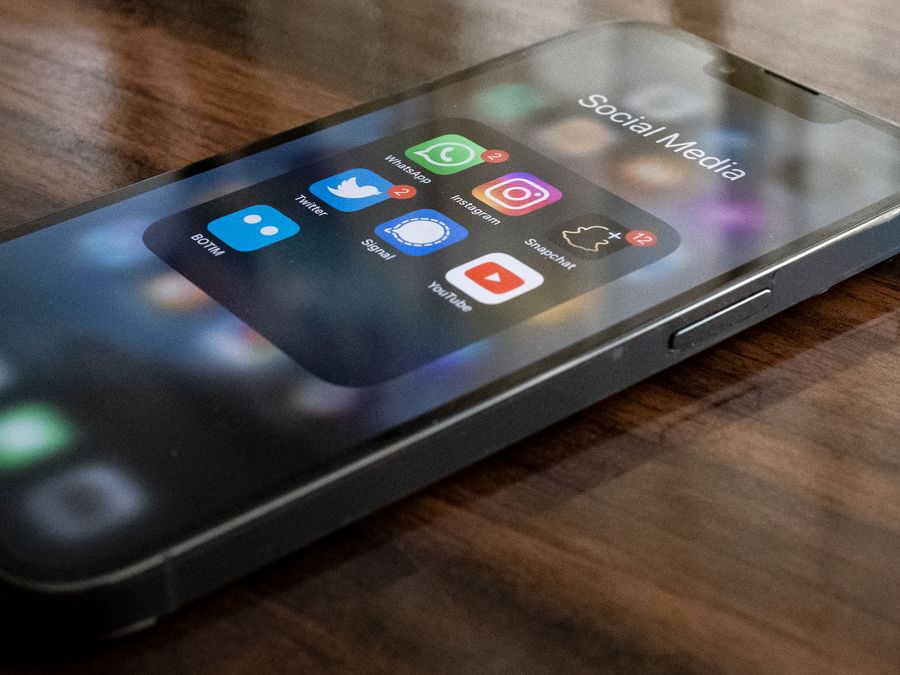
Spotting a bot account often comes down to recognizing patterns that real users rarely follow. While some bots are cleverly disguised, most share a few telltale characteristics that give them away if you know what to look for.
One of the most obvious signs is generic or irrelevant comments. Bots often leave vague messages like “Amazing!” or “Love this!” or just a string of emojis on posts regardless of the actual content. If someone comments “Great shot!” on a photo of your breakfast cereal, that is probably not a genuine human response.
Another red flag is a suspicious follower-to-following ratio. Many bot accounts follow thousands of users but have very few followers themselves. This happens because bots are designed to follow as many people as possible to get follow-backs, without actually building a real audience of their own.
Look out for repetitive activity patterns as well. If an account likes dozens of posts within seconds or leaves nearly identical comments on multiple different profiles, automation is almost certainly involved. Real people simply do not engage with content at that speed or with that level of uniformity.
Understanding the difference between real vs fake Instagram traffic helps you see how bot activity creates distorted engagement patterns. When bots interact with your content, they generate numbers that look good on the surface but have no real value behind them.
Instagram itself provides guidance on authentic behavior through the Meta Transparency Center, which explains how the platform defines and addresses fake engagement. Familiarizing yourself with these official guidelines can help you better understand what normal activity looks like versus what crosses into bot territory.
Pay attention to accounts that seem to appear suddenly in your notifications and then disappear just as quickly. Bots often follow, like, and comment in bursts, then either get removed by Instagram or simply move on to other targets.
What Is a Finsta and How to Recognize One
A finsta, short for “fake Instagram,” is actually quite different from a bot account. While bots are automated and often malicious, finstas are typically real accounts run by real people who want a more private or casual space to share content.
The term “finsta” originally came from younger users who wanted a secondary account separate from their main public profile. On a finsta, people often share more personal, unfiltered, or silly content that they would not post on their primary account. Think of it as the difference between a polished professional image and a relaxed hangout with close friends.
Many people maintain finstas for completely innocent reasons. Someone might have a public account for their photography or professional work and a private finsta for sharing memes with friends. A content creator may maintain a separate finsta for personal use away from their public audience. Parents might even create finstas to stay connected with their kids without embarrassing them on their main profiles.
Recognizing a finsta usually involves looking for certain characteristics. These accounts are almost always set to private, have small follower counts, and often use obscure or inside-joke usernames that do not obviously connect to the person’s real identity. The profile picture might be something random like a cartoon character or a blurry photo.
Unlike bot accounts, finstas show signs of genuine human activity. The posts may be irregular and casual, but the comments and interactions feel real. Friends tag each other, jokes are exchanged, and the overall vibe is intimate rather than transactional.
While finstas themselves are not harmful, it is worth noting that not everyone uses them honestly. Some people create secondary accounts to deceive others or engage in behavior they would not want associated with their main profile. If you encounter a private account that seems suspicious, trust your instincts and be cautious about accepting follow requests or engaging further.
Profile Red Flags That Reveal Fake Accounts

Beyond activity patterns, the profile itself can tell you a lot about whether an account is legitimate or fake. Taking a few seconds to examine a profile before engaging can save you from wasting time or falling for scams.
One major warning sign is the use of stock photos or stolen images. Many fake accounts use professional-looking photos taken from the internet or other social media profiles. If a profile picture looks too polished, too generic, or does not match the content of the account, consider doing a reverse image search to see if it appears elsewhere online.
Incomplete or nonsensical bios are another giveaway. Real users typically write something personal in their bio, even if it is just a few words about their interests or location. Bot accounts often have bios that are completely empty, filled with random characters, or stuffed with suspicious links and promotional language.
Watch out for suspicious username patterns as well. Bots often use names that combine random words with strings of numbers, like “sunny_travel_2847” or “beauty.shop.official.12.” While some real people do have numbers in their usernames, an unusually long or awkward combination is worth questioning.
The advent of AI tools on Instagram has made detecting fake profile patterns easier in some ways but more challenging in others. AI can help identify suspicious accounts at scale, but scammers also use AI to generate more realistic-looking fake profiles. Staying informed about these developments helps you stay one step ahead.
Look at the account’s post history too. Fake accounts often have very few posts, or their posts are all concentrated within a short time period. Some bot accounts are completely empty except for a profile picture. Others post only promotional content or generic inspirational quotes that require no original thought.
Finally, check the quality and consistency of the content. Real users tend to have varied posts that reflect their actual lives and interests. Fake accounts, by contrast, often feature content that feels random, disconnected, or overly curated without any personal touch.
Engagement Patterns That Expose Fake Activity
Even if a profile looks somewhat legitimate at first glance, engagement patterns can reveal the truth. Bots generate fake engagement in predictable ways, and once you learn to spot these patterns, you will see them everywhere.
One common pattern is instant engagement. If you post something and immediately receive dozens of likes or comments within seconds, that is a strong sign of bot activity. Real users need time to see your content in their feeds and decide to interact with it.
Comment quality is another major indicator. Genuine comments usually relate to the specific content of a post. Bot comments, on the other hand, are often generic enough to apply to anything. Phrases like “So inspiring!” or “Check your DMs!” appear constantly regardless of what the actual post contains.
During Instagram giveaway campaigns, bot activity tends to spike dramatically. Giveaways attract fake accounts that want to boost their entries or simply exploit the increased visibility. If you run or participate in giveaways, expect to encounter more bots than usual and be extra vigilant about verifying participants.
Building an authentic Instagram presence for businesses requires genuine engagement rather than inflated numbers from bots. Businesses that rely on bot activity may see impressive metrics in the short term, but those numbers rarely translate into actual customers or meaningful relationships.
Watch for patterns in direct messages as well. Bots often send mass DMs with promotional content, suspicious links, or generic greetings designed to start conversations that eventually lead to scams. If you receive a DM from an account you do not recognize and the message feels scripted or impersonal, proceed with caution.
Another thing to notice is the timing and frequency of interactions. Real users have natural engagement rhythms based on their daily lives. They might be more active in the evenings or on weekends. Bots, however, often operate around the clock with mechanical consistency, liking and commenting at all hours without any natural pauses.
How to Protect Your Account and Privacy
Now that you know how to identify Instagram bots and fake accounts, the next step is protecting yourself from any potential harm they might cause. A few simple security practices can make a big difference in keeping your account and personal information safe.
Start by strengthening your password. Use a unique, complex password for Instagram that you do not use anywhere else. Combine uppercase and lowercase letters, numbers, and special characters. If you have trouble remembering complex passwords, consider using a reputable password manager to keep track of them securely.
Check whether your login credentials have been exposed in any data breaches by visiting Have I Been Pwned. This free service lets you see if your email address or password has appeared in known security breaches. If it has, change your password immediately.
Enabling two-factor authentication adds another critical layer of protection. With two-factor authentication turned on, anyone trying to log into your account will need more than just your password. Apps like Google Authenticator generate time-sensitive codes that make unauthorized access much more difficult.
Be cautious about what you share publicly on your profile. Bots and scammers often scrape public information to use in targeted attacks. Keep sensitive details like your phone number, home address, and workplace off your public bio. Adjust your privacy settings to control who can see your posts, stories, and personal information.
Regularly review your follower list and remove accounts that seem suspicious. Instagram allows you to remove followers without blocking them, which quietly disconnects fake accounts from your profile. This helps keep your engagement metrics more accurate and reduces the risk of bot-related issues.
Consider clearing device memory for social media apps periodically as part of your overall security hygiene. Cached data can sometimes include login tokens or other information that could be exploited if your device is compromised.
If you frequently use public Wi-Fi networks, a VPN can help protect your connection from potential eavesdroppers. For those researching privacy tools, checking a Surfshark VPN review can provide useful insights into one popular option for securing your browsing activity.
Finally, report suspicious accounts when you encounter them. Instagram relies partly on user reports to identify and remove fake accounts. Reporting bots not only protects you but also helps keep the platform cleaner for everyone else.
Growing Your Account Without Bot Shortcuts
It can be tempting to look for quick ways to boost your follower count or engagement, but relying on bots or fake engagement always backfires eventually. Instagram actively detects and removes inauthentic activity, which means any gains from bots are temporary at best. At worst, your account could be penalized or even suspended.
Instead, focus on authentic growth strategies that build a real audience over time. Create content that genuinely interests and engages your target audience. Share posts that reflect your personality, expertise, or brand values. Consistency matters more than perfection, so show up regularly and engage with your community.
Interact meaningfully with other users rather than just broadcasting your own content. Leave thoughtful comments on posts you genuinely appreciate. Respond to comments on your own posts with real conversation. Build relationships with people in your niche or industry who share similar interests.
Consider growing your audience across platforms rather than putting all your eggs in one basket. Cross-promotion between Instagram, other social networks, and even your website can help you reach new audiences and bring in followers who are genuinely interested in what you offer.
When it comes to reaching potential customers or collaborators, comparing Instagram outreach versus traditional lead generation can help you choose methods that feel authentic rather than spammy. Genuine outreach builds trust, while bot-driven mass messaging usually just annoys people and damages your reputation.
Collaborate with other creators or brands that align with your values. Partnerships and features can introduce you to new audiences who are already primed to appreciate your content. Just make sure any collaborations feel natural and add value for your existing followers.
Be patient with your growth. Real audiences take time to build, but they are infinitely more valuable than fake followers. A smaller community of engaged, genuine followers will support you, buy from you, and advocate for you in ways that thousands of bots never could.
By focusing on authenticity and avoiding shortcuts, you protect your account, build lasting relationships, and create a presence on Instagram that actually means something. The ability to identify Instagram bots and fake accounts puts you in control, helping you navigate the platform wisely and make the most of every real connection you make.